
Exploring Nature In South Korea
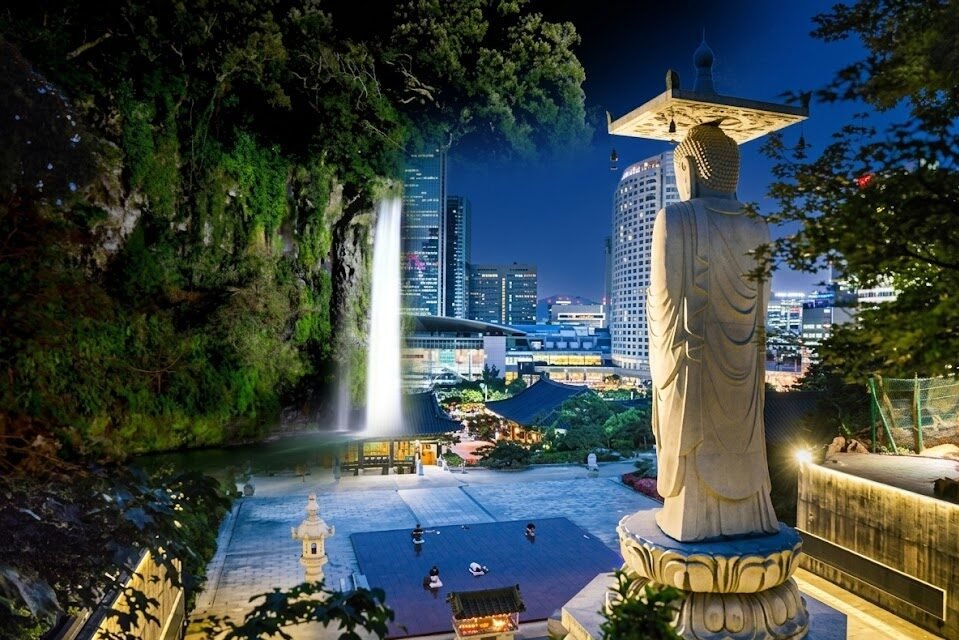
South Korea offers a stunning mix of mountains, forests, and coastlines that attract travelers from around the world. Nature lovers can enjoy scenic landscapes, national parks, and serene beaches. Its diverse terrain makes it ideal for hiking, photography, and outdoor adventures.
Mountains like Bukhansan and Hallasan provide breathtaking views while rivers and lakes offer calm retreats. Visitors exploring nature in Korea can find peaceful gardens, waterfalls, and seasonal floral displays. National parks across provinces highlight the country’s ecological diversity.
Travelers also discover coastal beauty, including sandy beaches and dramatic cliffs. South Korea’s islands, like Jeju, feature volcanic landscapes and unique flora. Each region offers distinctive natural attractions that promise memorable experiences.
Best Natural Places to Explore in Seoul
Seoul combines urban life with beautiful nature spots, making it ideal for outdoor activities. Bukhansan National Park offers hiking trails with panoramic city views. Visitors can enjoy forests, temples, and peaceful mountain scenery.
In the heart of the city, Seokchon Lake Park provides a relaxing lakeside walk surrounded by flowers. Families and tourists often visit to enjoy jogging paths, calm waters, and seasonal cherry blossoms. The park’s serene environment highlights nature in Seoul.
Historic gardens and large parks add greenery to urban life. Seoul Grand Park blends botanical gardens, zoo areas, and walking trails. Nature enthusiasts can admire trees, lakes, and wildlife without leaving the city.
Elevated viewpoints give a different perspective of Seoul’s landscapes. Namsan Tower stands above Mt. Nam and offers sweeping views of the city and surrounding forests. Visitors enjoy scenic photography and sunset experiences.
Coastal Beauty and Beaches in Busan
Busan offers some of South Korea’s most scenic beaches and coastal attractions. Haeundae Beach is famous for its golden sand, clear water, and lively promenade. Tourists enjoy swimming, sunbathing, and local seafood nearby.
Along the coast, Haedong Yonggungsa Temple provides a unique experience of a temple overlooking the ocean. The striking seaside views combine culture with natural beauty. Visitors often photograph the dramatic sunrise from the temple cliffs.
Colorful hillside communities add charm to Busan’s nature scene. Gamcheon Culture Village blends art, vibrant houses, and scenic walking paths. The area offers panoramic ocean views and outdoor cultural experiences.
Discovering Jeju Island’s Natural Wonders
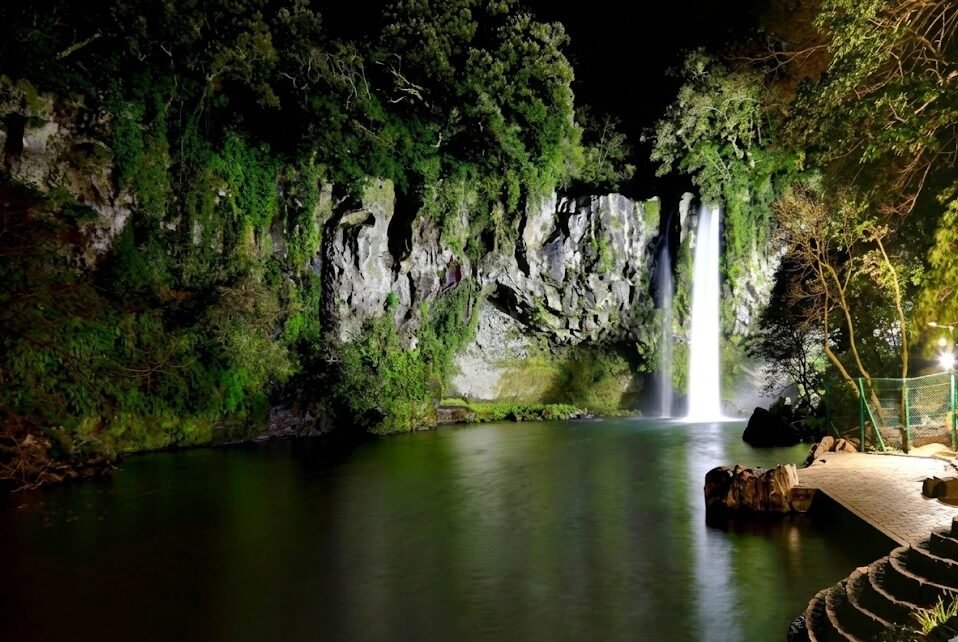
Jeju Island is famous for its volcanic landscapes and natural beauty. Hallasan National Park features the tallest mountain in South Korea, with hiking trails and diverse wildlife. Visitors can enjoy panoramic views and forested paths year-round.
Coastal cliffs and unique rock formations make Jeju’s shoreline unforgettable. Seongsan Ilchulbong rises from the ocean as a volcanic crater and offers stunning sunrise views. Photographers and nature lovers frequently visit for scenic shots.
Waterfalls and beaches add to the island’s charm. Cheonjiyeon Waterfall and Hyeopjae Beach provide serene spots for relaxation. The combination of greenery, sand, and clear water highlights Jeju’s natural diversity.
O’sulloc Tea Fields attract travelers with green rolling hills and cultural experiences. Walking among tea plantations offers peaceful landscapes and photo opportunities. The area reflects Jeju’s rich agricultural and ecological beauty.
National Parks and Mountains Across South Korea
South Korea is home to numerous national parks that showcase its diverse landscapes. Seoraksan National Park offers dramatic peaks, hiking trails, and colorful autumn foliage. Visitors can explore valleys, waterfalls, and mountain temples.
Forested areas provide peaceful escapes from city life. Odaesan National Park features dense pine forests, crystal-clear streams, and traditional Korean temples. Nature enthusiasts enjoy hiking and photography throughout the year.
Mountain ranges in different provinces create unique scenic experiences. Taebaeksan National Park delivers snow-covered landscapes in winter and vibrant greenery in summer. Hiking trails here reveal panoramic views and natural rock formations.
Historic and cultural landmarks are often found within mountains. Songnisan National Park combines scenic valleys with ancient temples. Visitors can enjoy both natural beauty and Korean cultural heritage.
Hidden Natural Attractions in Korean Provinces
Remote villages and scenic islands reveal South Korea’s hidden nature spots. Nami Island is famous for tree-lined paths, seasonal foliage, and peaceful rivers. Photographers and travelers enjoy quiet walks and outdoor activities.
Botanical gardens offer colorful landscapes away from busy cities. Garden of the Morning Calm displays seasonal flowers and well-designed gardens. Visitors can explore walking paths surrounded by scenic greenery.
Mountain trails and cliffs provide adventurous escapes in rural provinces. Daedunsan Provincial Park features suspension bridges and dramatic rock formations. Hikers can enjoy panoramic views of valleys and forests.
Historic parks in provincial areas combine nature with culture. Juwangsan National Park offers waterfalls, rocky cliffs, and peaceful trails. Travelers can experience both scenic beauty and traditional landmarks.
Scenic Beaches and Coastal Landscapes in Gangwon Province
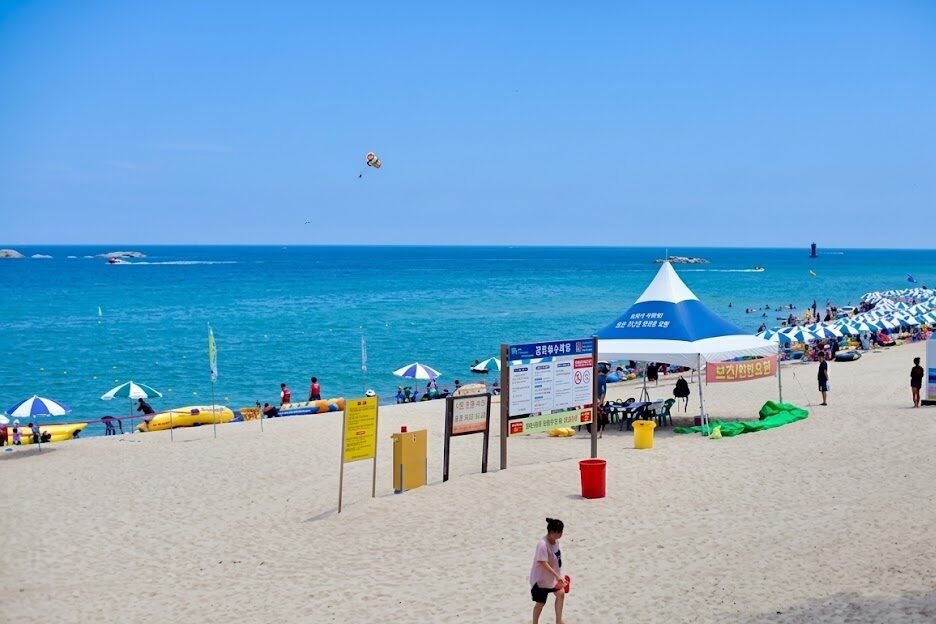
Gangwon Province is known for its beautiful beaches and rugged coastline. Gyeongpo Beach offers soft sand, clear waters, and peaceful walking paths. Visitors enjoy sunbathing, swimming, and seaside photography.
Rock formations and cliffs create unique coastal landscapes. Chuam Chotdaebawi features dramatic candlestick-shaped rocks by the ocean. Tourists often visit for scenic views and photography opportunities.
Tranquil beaches provide relaxing escapes from city life. Naksan Beach showcases calm waters, soft sands, and nearby walking trails. Travelers enjoy nature walks and quiet seaside moments.
Cultural Villages Surrounded by Nature
Traditional villages in South Korea combine heritage with scenic landscapes. Bukchon Hanok Village showcases historic houses surrounded by mountains and small gardens. Visitors enjoy walking through narrow alleys and photographing traditional architecture.
Riverside folk villages provide both cultural and natural beauty. Andong Hahoe Village features historic homes, flowing rivers, and scenic mountains. Tourists explore cultural heritage while enjoying peaceful outdoor surroundings.
Artistic villages nestled in nature highlight Korea’s creative side. Hyeri Art Village offers murals, small galleries, and nature trails. Travelers can experience local art and scenic views in a calm environment.
Best Time to Explore Nature in South Korea
Spring brings cherry blossoms and colorful flowers across parks and gardens. Travelers enjoy scenic walks in Seokchon Lake Park and national parks. Mild weather makes hiking and outdoor photography ideal during this season.
Autumn transforms mountains into a vibrant display of red, orange, and yellow foliage. Seoraksan National Park becomes a top destination for leaf-viewing and scenic trails. Hikers can enjoy cool weather and panoramic landscapes.
Winter offers snow-covered mountains and quiet coastal beaches. Taebaeksan National Park attracts visitors for snow hikes and winter scenery. Coastal areas remain peaceful and perfect for relaxing nature walks.
Summer highlights Korea’s beaches, waterfalls, and lush green mountains. Haeundae Beach and Hallasan National Park draw tourists seeking water activities and outdoor adventures. Seasonal festivals also enhance the natural experience.
Travel Tips for Nature Lovers Visiting Korea
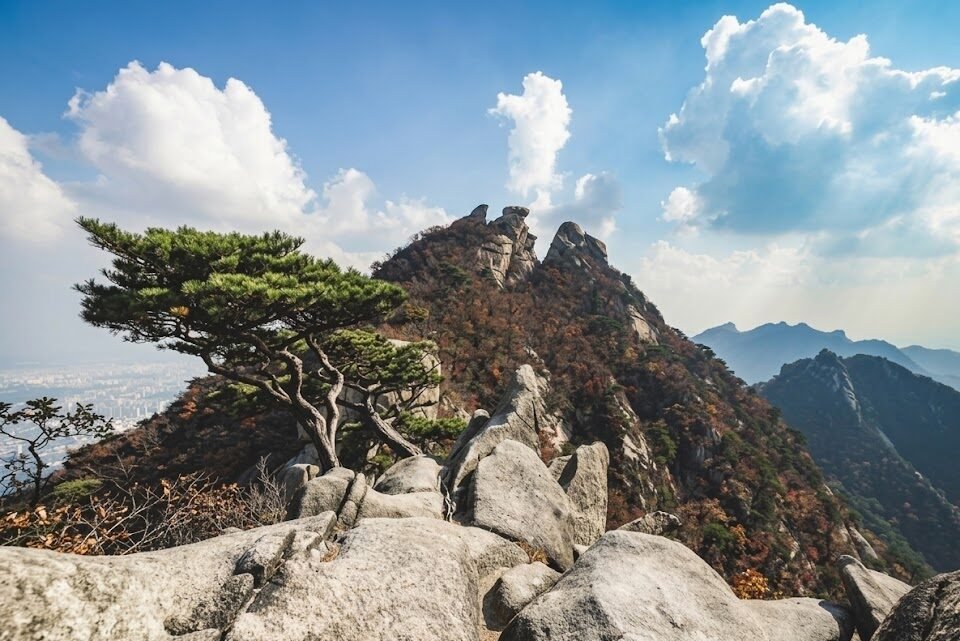
Planning helps travelers enjoy Korea’s national parks and hiking trails efficiently. Carry proper gear, comfortable shoes, and maps to explore areas like Bukhansan National Park safely. Early morning visits often provide the best views and fewer crowds.
Weather preparation is essential for outdoor activities across Korea. Check seasonal conditions before visiting Seoraksan National Park or coastal regions like Haeundae Beach. Lightweight clothing works for summer, while warm layers are needed in winter.
Respecting local rules and natural habitats ensures sustainable travel. Follow park guidelines, avoid littering, and maintain safe distances from wildlife. Observing nature responsibly protects Korea’s scenic areas for future visitors.
Travelers can combine culture with nature for a complete experience. Visit folk villages like Andong Hahoe Village or temples within forests. These spots offer insight into Korea’s history while surrounded by beautiful landscapes.
Conclusion
South Korea offers a perfect blend of mountains, beaches, and cultural landscapes for nature lovers. Its national parks, scenic islands, and hidden villages provide unforgettable experiences. Travelers can enjoy hiking, photography, and peaceful retreats throughout the year. If you want a travel guide on Morocco, then visit the link: https://explorezone.researchskillcenter.com/adventure-guide-to-morocco/
FAQ
Q1: What is the best season to explore nature in South Korea?
A: Spring and autumn are ideal for cherry blossoms, colorful foliage, and comfortable weather for hiking.
Q2: Which national parks are a must-visit for hiking?
A: Seoraksan National Park, Hallasan National Park, and Taebaeksan National Park are top choices.
Q3: Can families enjoy nature in urban areas?
A: Yes, places like Seokchon Lake Park and Seoul Grand Park offer family-friendly outdoor spaces.
Q4: Are coastal beaches in Busan suitable for swimming?
A: Absolutely, Haeundae Beach and Gyeongpo Beach are perfect for sunbathing, swimming, and seaside activities.
Q5: How can travelers combine culture with nature in Korea?
A: Visit traditional villages like Bukchon Hanok Village and temples within forests to experience heritage surrounded by nature.