A Culinary Journey Through Norway
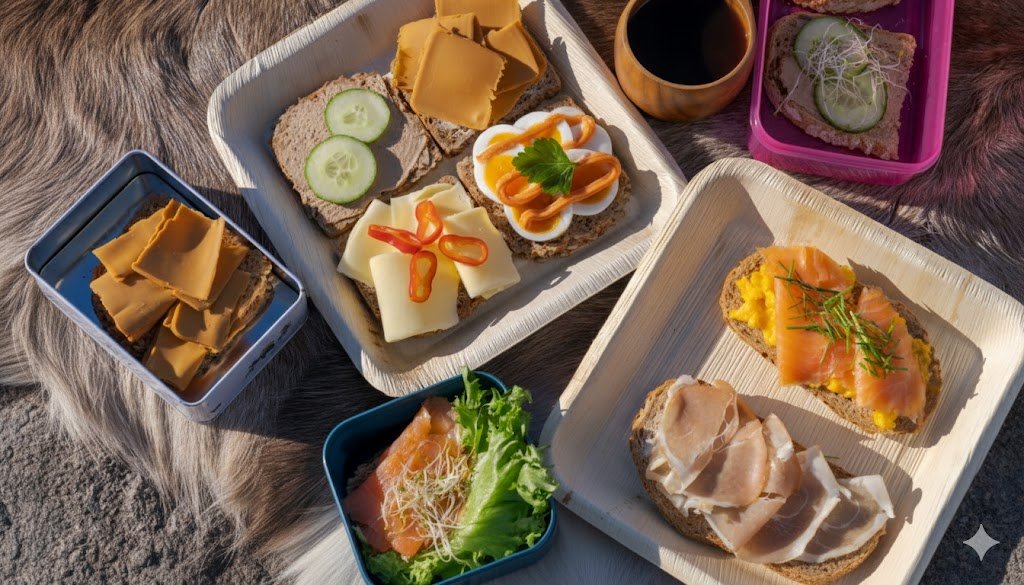
Norway is famous not just for its breathtaking fjords and the mesmerizing northern lights. It also has a lively culinary scene that beautifully blends age old preservation methods with contemporary cooking styles.The flavors of Norwegian cuisine are incredibly diverse, ranging from fresh Arctic seafood to hearty mountain stews.
This variety reflects the country’s creativity and resilience, all while paying homage to its stunning natural surroundings.
Exploring Norway’s culinary landscape feels like embarking on a cultural adventure. Each dish tells a story shaped by the nation’s dramatic geography and rich history. Whether you’re wandering the charming streets of Bergen or taking in the views over Geirangerfjord. The food experience truly captures the heart and soul of Norway.
Brunost:
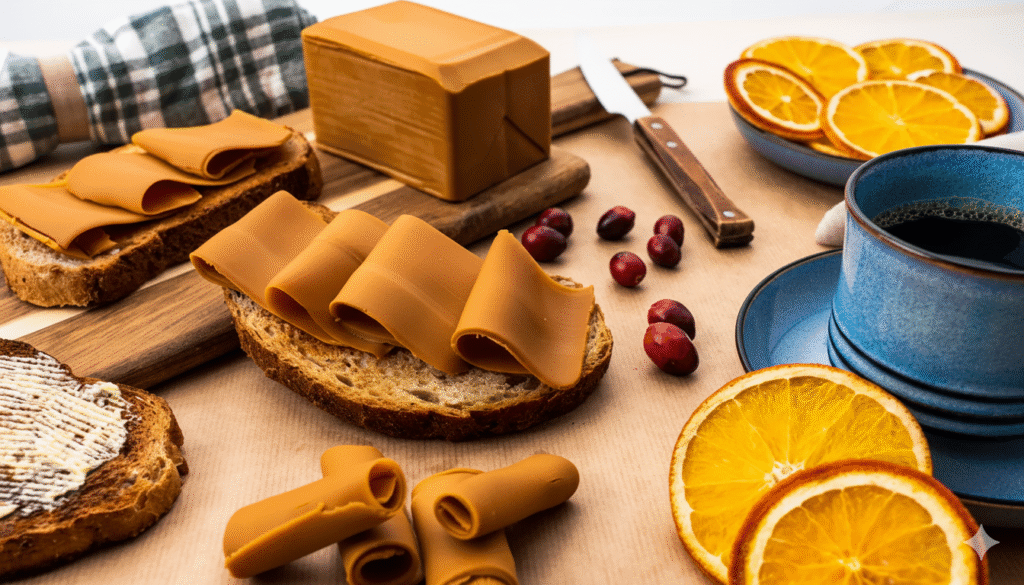
Brunost or “brown cheese” is a cherished Norwegian delicacy known for its caramel like flavor and creamy texture. Made from a blend of cow’s and goat’s milk, it is heated and reduced to create a sweet, slightly tangy cheese.
Its deep amber color makes it a standout on cheese boards, and it is commonly enjoyed in Norwegian households on crispbread or with fruit. Brunost’s unique taste, derived from the Maillard reaction during cooking, has gained international appeal, making it a popular specialty in gourmet shops and a representation of Norwegian culture.
Prime Spots For Brunost:
For those seeking to enjoy exceptional Brunost (brown cheese) at a restaurant or cafe in Norway. Both locals and visitors highly recommend the following establishments.
- Haralds Vaffels in Olaf Ryes Plass 3, 0552 Oslo, Norway.
- Vaffelvogna in Karl Johans gate 8, 0154 Oslo, Norway.
Lefse:
Norwegians value Lefse as a traditional delicacy recognized for its soft texture and comforting flavor, crafted from potatoes, flour, butter, and cream. They roll it out thin. They cook it on a griddl. People commonly served with butter, sugar, or cinnamon.
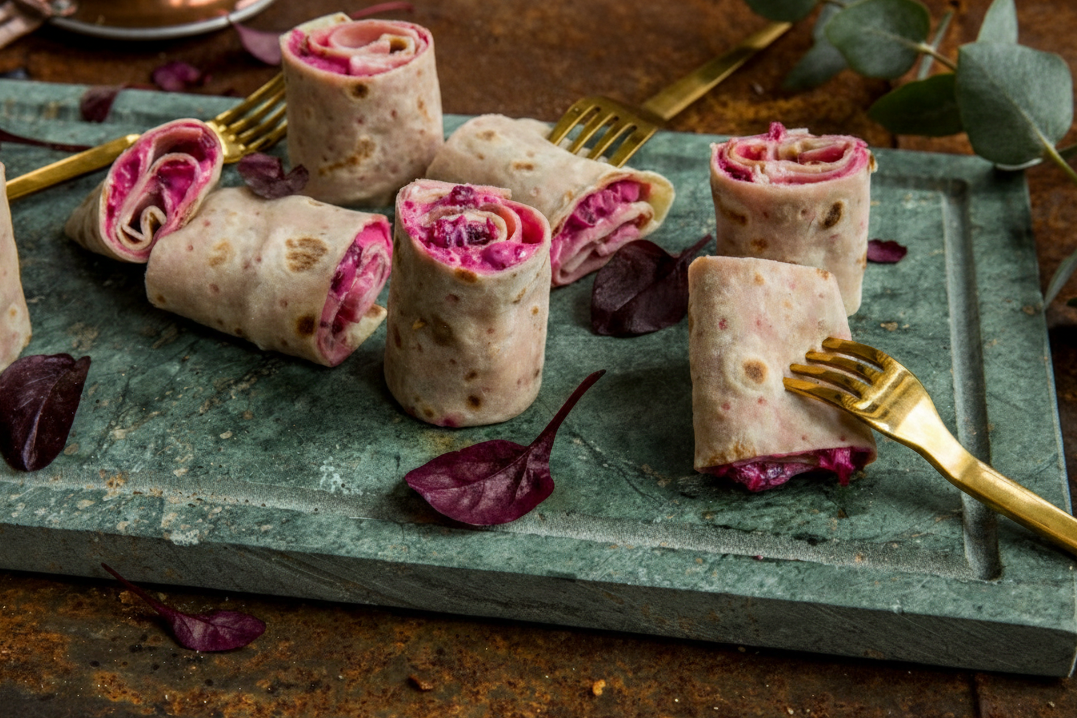
Various regions in Norway present their own interpretations, with Eastern Norway tending towards sweeter varieties while the west showcases larger, rustic versions. Celebrated as a representation of Norwegian heritage and home baking, lefse remains a staple during holidays, family gatherings and festive markets, making it a nostalgic favorite among Norwegians and a recommended experience for visitors.
Prime Spot For Lefse:
Several cafes and restaurants in Norway are renowned for serving this traditional dish, alongside other classic Norwegian cuisine, as opposed to merely offering grocery-store or homemade varieties. Below are a few establishments frequently recommended as reliable choices for enjoying Lefse.
- Steinsto Frukt in Fyksesundvegen 768, 5612 Steinsto, Norway.
- Leveld Lefsebakeri in Nordbygdvegen 793, 3570 Al, Norway.
Smoked Salmon:
Norwegian highly regard smoked salmon also known as rokt laks, as a delicacy. Its robust flavor appeals to many food lovers firm texture, and refined smokiness set it apart. Sourced from the pristine fjords of Norway.
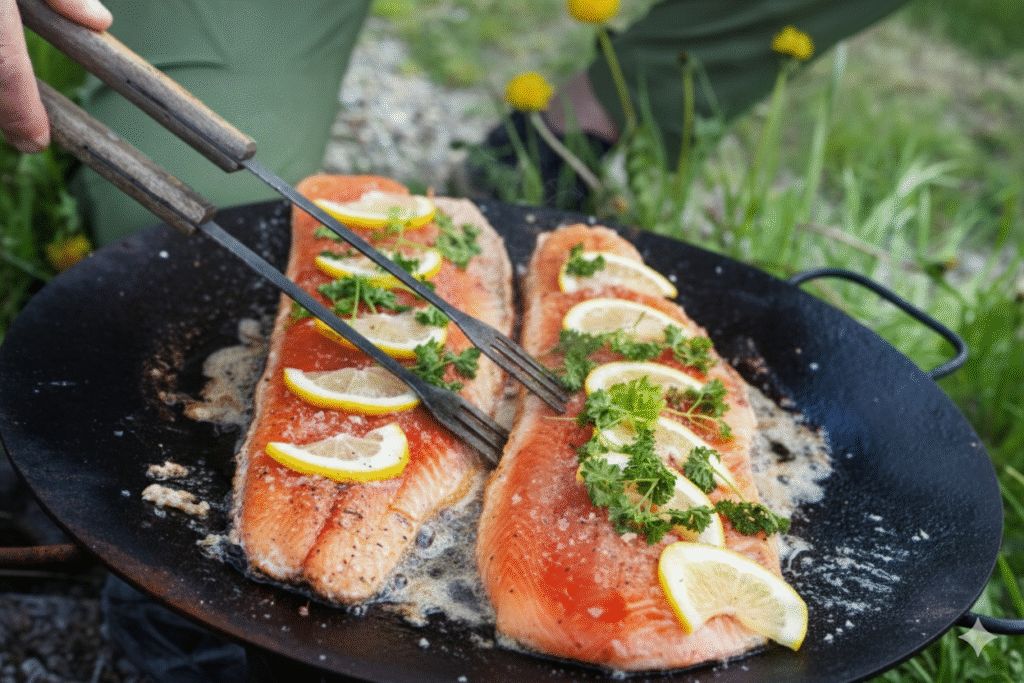
Producers traditionally cold-smoked it over wood, resulting in a subtle and clean taste. Renowned both domestically and internationally. Chef’s commonly serve it in sandwiches, salads, or as an upscale appetizer. It represents Norway’s esteemed seafood tradition.
Prime Spot For Smoked Salmon:
these restaurants offer exceptional smoked salmon in Norway. They rank among the finest and most renowned for seafood, particularly salmon, rokt laks, and gravlaks.
- The Salmon in Strandpromenaden 11, 0252 Oslo, Norway.
- Engebret Cafe in Bankplassen 1, 0151 Oslo, Norway.
Pinnekjott:
Pinnekjott is a highly regarded traditional dish in Norway, particularly recognized as a Christmas specialty in the western and northern regions. This dish consists of salt-cured and dried lamb ribs, which are traditionally steamed over birch sticks.
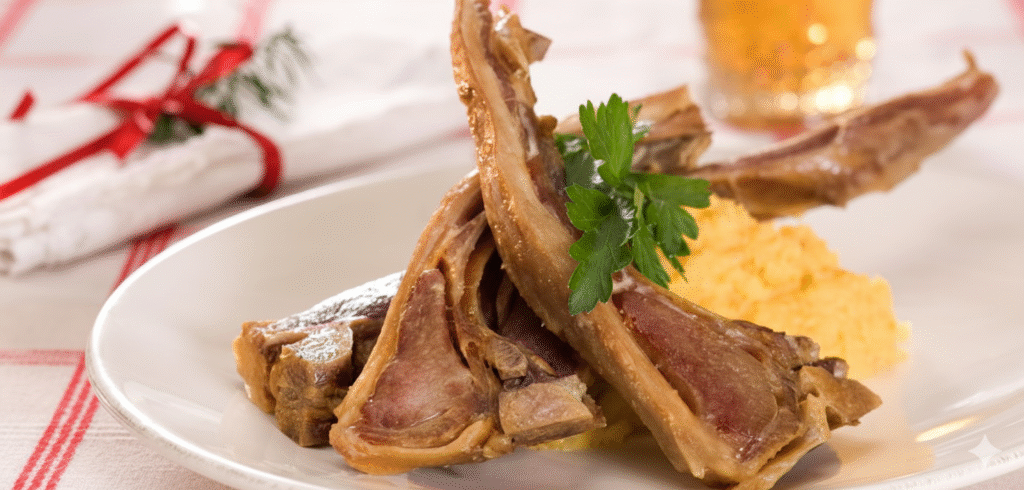
Its rich, savory flavor and tender texture hold significant cultural importance, often associated with family gatherings and long-standing holiday traditions. For many Norwegians, pinnekjott transcends being merely a meal.It represents a symbol of heritage, regional identity, and the lasting flavors of rural Norwegian cuisine.
Prime Spot For Pinnekjott:
Below is a selection of renowned restaurants in Norway where you can enjoy quality Pinnekjott, complete with their addresses, featuring a curated list of top choices in Bergen and Oslo.
- Wesselstuen in Ovre Ole Bulls plass 6, 5012 Bergen, Norway.
- Gamle Raadhus in Nedre Slottsgate 1, 0151/0157, Oslo, Norway.
Farikal:
Norwegians consider Farikal as thier national dish. People know it for its simple preparation.Its rich flavor makes it widely loved.This dish holds the strong cultural significance. This dish features slow cooked lamb or mutton layered with cabbage, black peppercorns, and salt, reflecting Norway’s rustic culinary traditions.
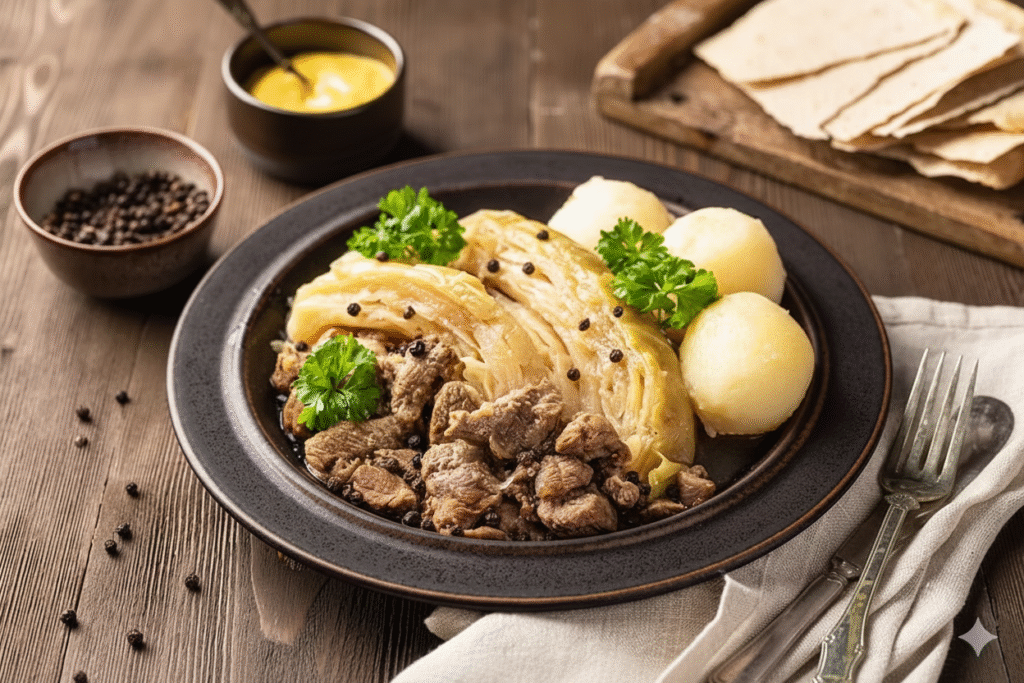
Each autumn, families gather to enjoy Farikal as part of a seasonal tradition, highlighted by the annual Farikalens Festdag celebration. Its delicious taste derives its popularity. It represents Norwegian identity, evoking nostalgia and the warmth of communal home cooked meals.
Prime Spot For Farikal:
Below is a list of notable restaurants in Norway where you can experience authentic Farikal during the appropriate season.
- Stortorvets Gjaestgiveri in Grensen 1, 0159 Oslo, Norway.
- Kaffistova in Kristian IVs gate 2, 0164 Oslo, Norway.
Fiskekaker:
Fiskekaker are a beloved staple of traditional Norwegian cuisine, characterized by their mild flavor, soft texture, and versatility. Made from finely ground white fish like cod, pollock, or haddock, mixed with milk, flour, and light seasonings, they reflect the simplicity of coastal Norwegian cooking.
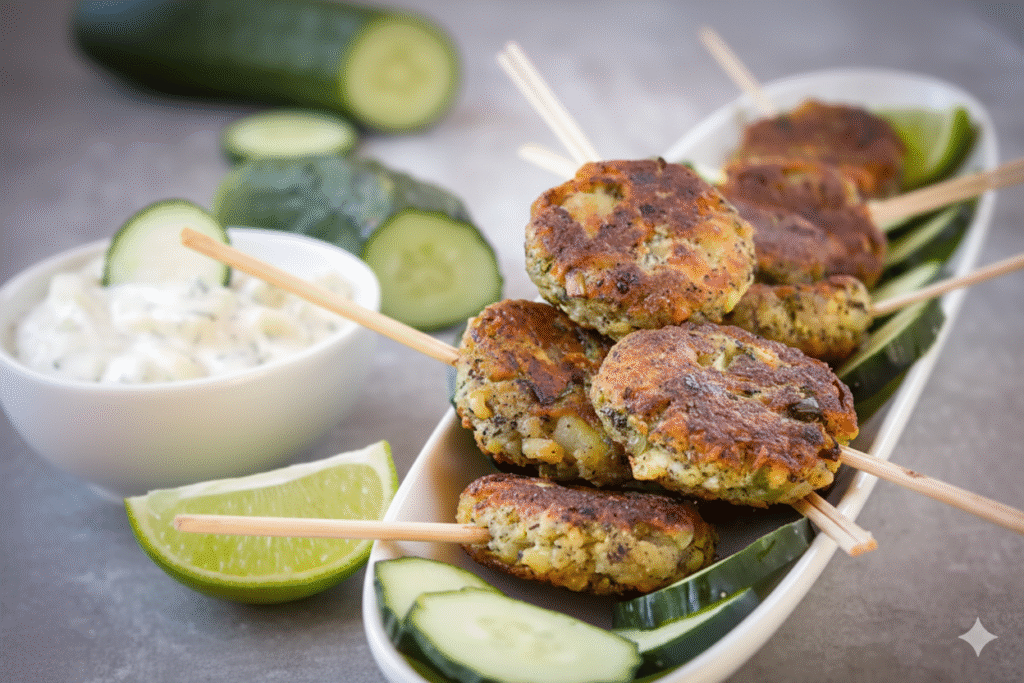
Unlike special occasion dishes, fiskekaker are commonly found in supermarkets and school lunches, making them a regular part of everyday life for families across the country. Their widespread appeal is rooted in Norway’s maritime heritage, where fish is a vital food source, and for many Norwegians, these cakes evoke comfort and nostalgia associated with home-cooked meals.
Prime Spot For Fiskekaker:
Here are some best spots for Fiskekaker in Norway that you should must visit
- Sostrene Hagelin in Strandgaten 3, 5013 Bergen, Norway.
- Damsgardstuene in Damsgardsveien 120, located in the Laksevag district of Bergen.
Raspeballer:
Raspeballer, also known as komler, kumler, or potetball, is a traditional Norwegian comfort food with deep roots in rural heritage. These potato dumplings, made from grated potatoes and flour, often include salted meat and were originally staples for farming and fishing communities.
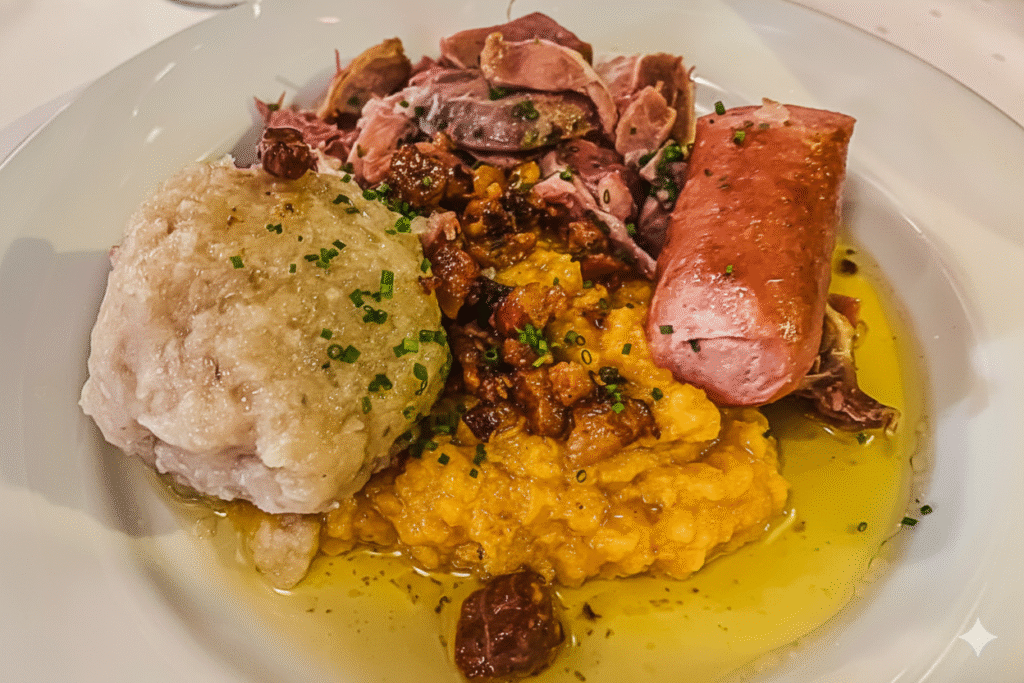
Today, rasballer remain popular, especially in western Norway, where many restaurants celebrate a weekly “komledag” dedicated to the dish. Their enduring appeal is linked to cultural significance, nostalgic flavors, and community connections, making them a cherished representation of home cooked, traditional cuisine that reflects regional identity and familial heritage.
Prime Spot For Raspeballer:
Here are some of the best and most recommended spots in Norway where you can try authentic Raspeballer including restaurants with good reputation for serving traditional versions
- Bryggeloftet & Stuene in Bryggen 11, 5003 Bergen, Norway.
- Kumlegaarden Resturant in Niels Carlsens gate 11, 1440 Drobak, Norway.
My Thoughts:
These traditional dishes invite visitors to experience Norway through taste, memory and tradition making the culinary journey as unforgettable as the landscapes themselves.