
Why Spanish Food Is Epic?
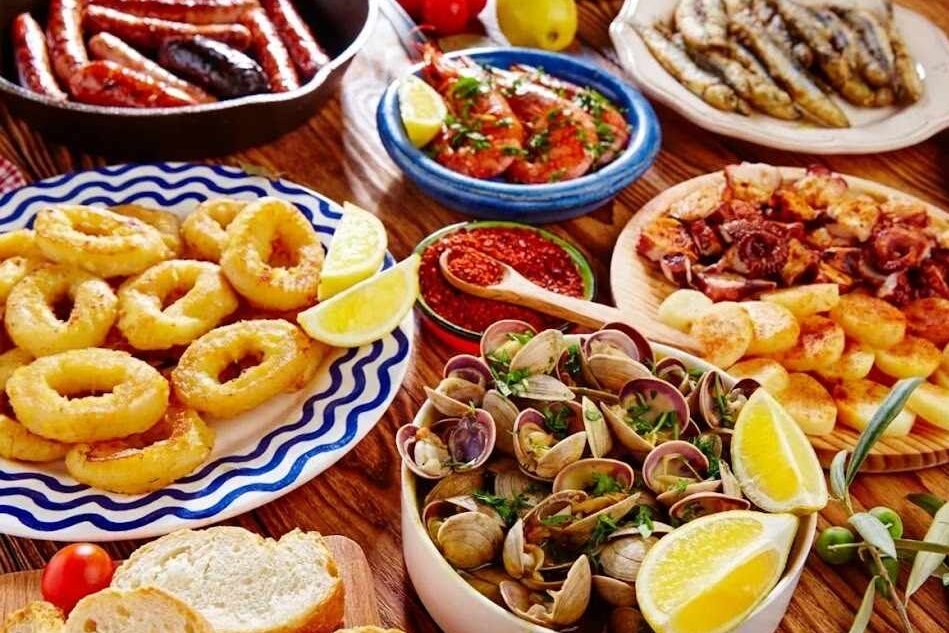
Spanish food reflects centuries of culture, tradition, and regional influence. The cuisine developed through Roman, Moorish, and Mediterranean roots. Each era added new ingredients, cooking methods, and flavors. This history shaped the rich diversity seen in Spanish dishes today.
Across different regions of Spain, food styles changed in response to climate and local produce. Coastal areas focused on seafood, while inland regions relied on grains, vegetables, and meats. Olive oil became a key element of traditional Spanish cooking. Simple ingredients were used to create bold and balanced flavors.
Over time, Spanish cuisine gained global recognition for its authenticity and variety. Traditional recipes were passed down through generations without losing originality. Street food, home cooking, and tapas culture grew side by side. Today, Spanish food represents both history and everyday life in Spain.
Spain’s Famous Potato and Egg Dish Loved by Locals
Widely known as a classic Spanish food, the potato and egg omelette holds a special place in Spanish cuisine. This traditional Spanish dish is prepared using simple ingredients found in every home. Olive oil, eggs, and potatoes create rich flavor without complexity. The dish is popular across Spain as both a meal and a tapas option.
Traditionally served warm or cold, this Spanish potato omelette fits any time of day. Many locals enjoy it as a Spanish breakfast or light lunch. Its soft texture and mild taste make it ideal for all age groups. Restaurants and homes both treat it as comfort food.
Traditional Bread With Fresh Tomato Flavor
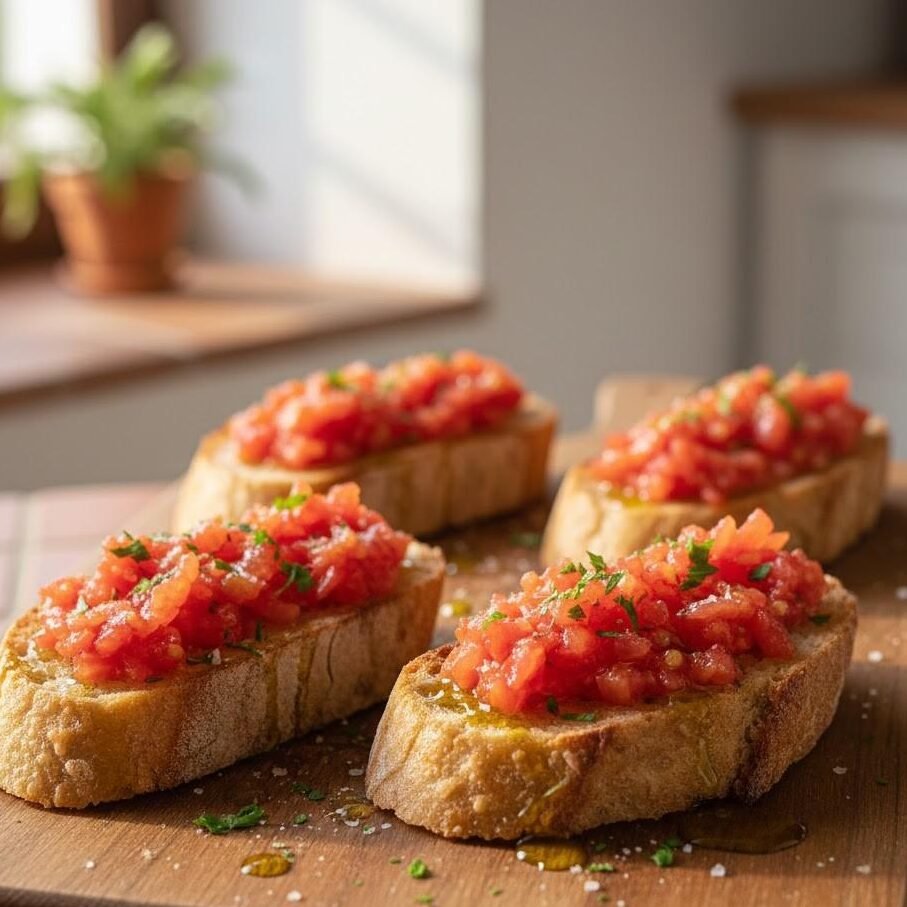
Often served as a daily staple, this Spanish bread dish highlights fresh tomatoes and olive oil. The recipe uses toasted bread rubbed with ripe tomatoes for a natural taste. Mediterranean flavors remain strong due to quality olive oil. This simple food appears in homes and cafés across Spain.
Unlike heavy meals, this traditional Spanish snack feels light and refreshing. Locals prefer it for breakfast or a quick bite. The dish reflects Spanish cooking values of freshness and balance. Many travelers recognize it as an authentic Spanish food experience.
Authentic Toast Topped With Tomato and Cured Ham
Popular in many regions, this Spanish toast combines tomato, olive oil, and cured ham. Crunchy bread supports rich flavors from jamón and fresh tomato pulp. The dish represents classic Spanish breakfast culture. Each bite delivers a salty and savory contrast.
Commonly found in cafés, this traditional Spanish food fits morning routines. High-quality ham adds depth without overpowering other ingredients. Mediterranean diet elements remain clearly visible. Food lovers often list it among must-try foods in Spain.
Crispy Tapas Filled With Creamy Goodness
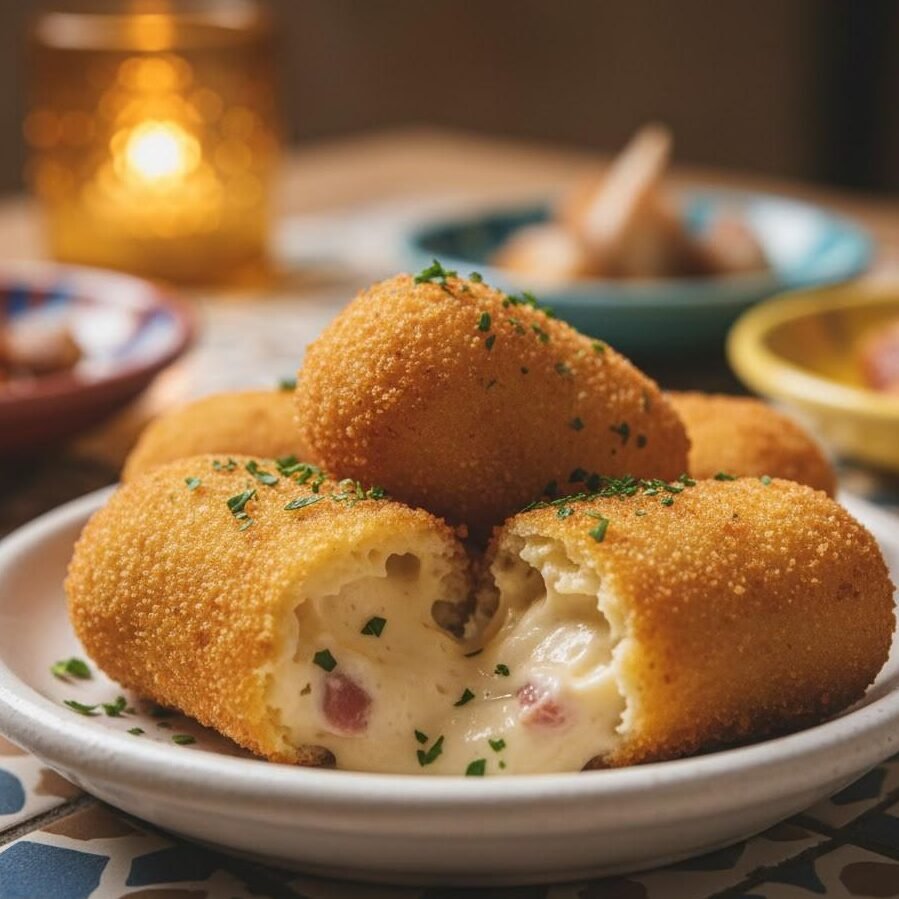
Deep-fried croquettes stand out as a popular Spanish tapas dish across the country. The crispy outer layer contrasts with a soft and creamy filling. Common fillings include chicken, ham, or cheese. This traditional Spanish snack appears in bars and family kitchens.
Served fresh and hot, these Spanish fried bites attract locals and tourists alike. Restaurants often pair them with sauces or simple seasoning. Their rich texture reflects classic Spanish comfort food. Many consider croquettes a must-try Spanish appetizer.
Cooling Tomato Soup Perfect for Summer Days
Chilled tomato soup plays a major role in Spanish summer cuisine. Fresh tomatoes, olive oil, and garlic create a smooth blend. This traditional Spanish cold soup offers relief during hot weather. The Andalusian regions made it famous worldwide.
Enjoyed cold, this Spanish soup keeps meals light and refreshing. Its healthy ingredients support the Mediterranean diet. Many locals serve it as a starter or light lunch. Travelers appreciate its simple yet bold flavor.
Thick Andalusian Tomato Soup With Olive Oil
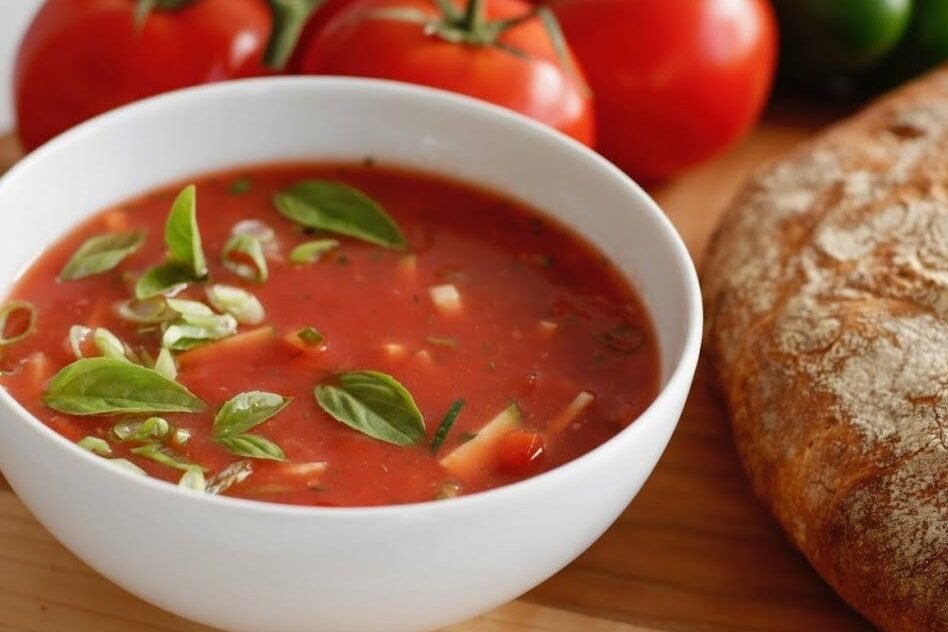
Rich tomato-based soup from southern Spain delivers deep flavor and texture. Crushed tomatoes, bread, and garlic form a thick base. Olive oil adds smoothness and traditional taste. This dish reflects authentic Andalusian food culture.
Often served with eggs or ham, this Spanish dish feels filling and nutritious. Families prepare it using regional ingredients. The recipe highlights traditional Spanish cooking methods. Food lovers value it for its rich and hearty nature.
Flavor-Packed Spanish Sausage Cooked in Cider
Popular in northern Spain, this sausage dish uses apple cider for cooking. Spanish chorizo releases rich flavor during slow simmering. The cider adds mild sweetness and aroma. This recipe reflects Asturian food traditions.
Served hot, this Spanish pork dish pairs well with bread. Local bars offer it as a common tapas choice. Traditional cooking methods keep flavors balanced. Food enthusiasts recognize it as authentic Spanish cuisine.
Classic Vegetable Dish With Mediterranean Root
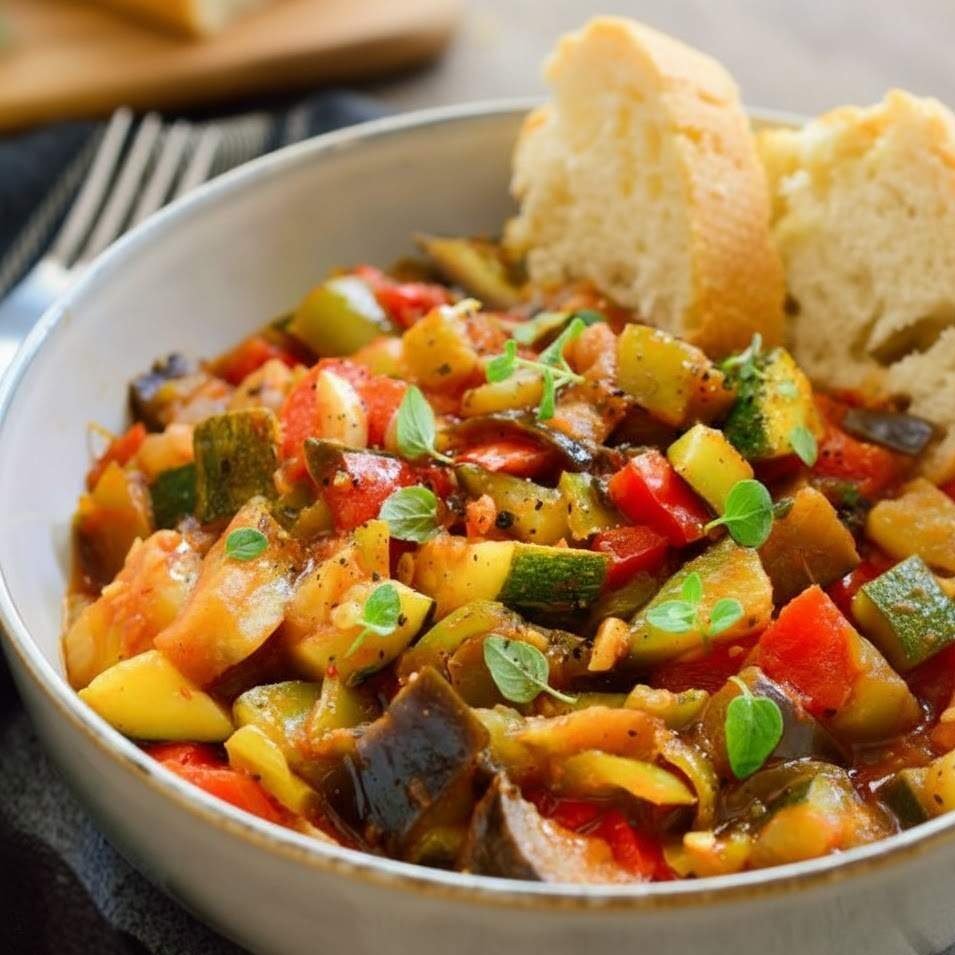
Colorful vegetables form the base of this traditional Spanish recipe. Tomatoes, peppers, and zucchini cook together slowly. Olive oil enhances the natural taste of fresh produce. This dish reflects the Mediterranean diet.
Often served as a main or side, this Spanish vegetable dish fits many meals. Its healthy ingredients attract vegetarian eaters. Regional variations add unique flavor profiles. Many consider it a wholesome Spanish comfort food.
Sweet Fried Dough Loved Worldwide
Golden fried dough remains a favorite Spanish dessert option. Churros feature a crispy outside with a soft inside. Sugar coating adds simple sweetness. Street vendors sell them across Spain.
Commonly enjoyed as a snack, churros suit any time of day. Many people pair them with hot chocolate. This dessert holds cultural importance in Spanish food history. Tourists often seek it as a must-try treat.
Rich Hot Chocolate Served Thick

Thick chocolate drinks play a special role in Spanish dessert culture. Cocoa blends with milk to create a dense texture. This traditional Spanish beverage differs from lighter versions. Cold seasons increase their popularity.
Typically served with churros, this hot chocolate completes the experience. Cafés across Spain prepare it fresh. The drink offers warmth and comfort. Many consider it an essential Spanish food pairing.
Why These Traditional Spanish Foods Belong on Every Food List?
Spanish cuisine offers a wide variety of flavors that reflect its rich history. Traditional dishes use fresh ingredients like olive oil, vegetables, and local meats. Each recipe highlights authentic Spanish cooking techniques. Food lovers can experience culture through every bite.
These must-try Spanish foods provide a true taste of local life. Tapas, soups, and desserts show regional diversity and culinary creativity. The balance of flavor, texture, and aroma defines Spanish gastronomy. Travelers often include these dishes in their Spain food tours.
Conclusion
Spanish cuisine represents a rich blend of history, culture, and regional flavors. From hearty potato dishes to sweet churros and thick hot chocolate, each meal tells a story. Experiencing these must-try dishes allows travelers to connect with Spain’s culinary heritage and enjoy an authentic taste of the country.
FAQ
Q1: What are the most popular Spanish foods?
A: Popular Spanish foods include tortilla de patatas, croquetas, gazpacho, churros, and Spanish hot chocolate.
Q2: Which Spanish dishes are a must-try for tourists?
A: Tourists should try tapas, tomato toast with jamón, fried eggs over potatoes, chorizo a la sidra, and pisto.
Q3: Are Spanish desserts famous worldwide?
A: Yes, desserts like churros and rich Spanish hot chocolate are loved globally for their flavor and tradition.
Q4: What makes Spanish food unique?
A: Spanish cuisine combines fresh ingredients, olive oil, simple techniques, and regional flavors, reflecting centuries of history.
Q5: Can I find these Spanish foods outside Spain?
A: Many Spanish dishes are available in international Spanish restaurants, though authentic flavors are best experienced in Spain.