
Most Famous Korean Foods
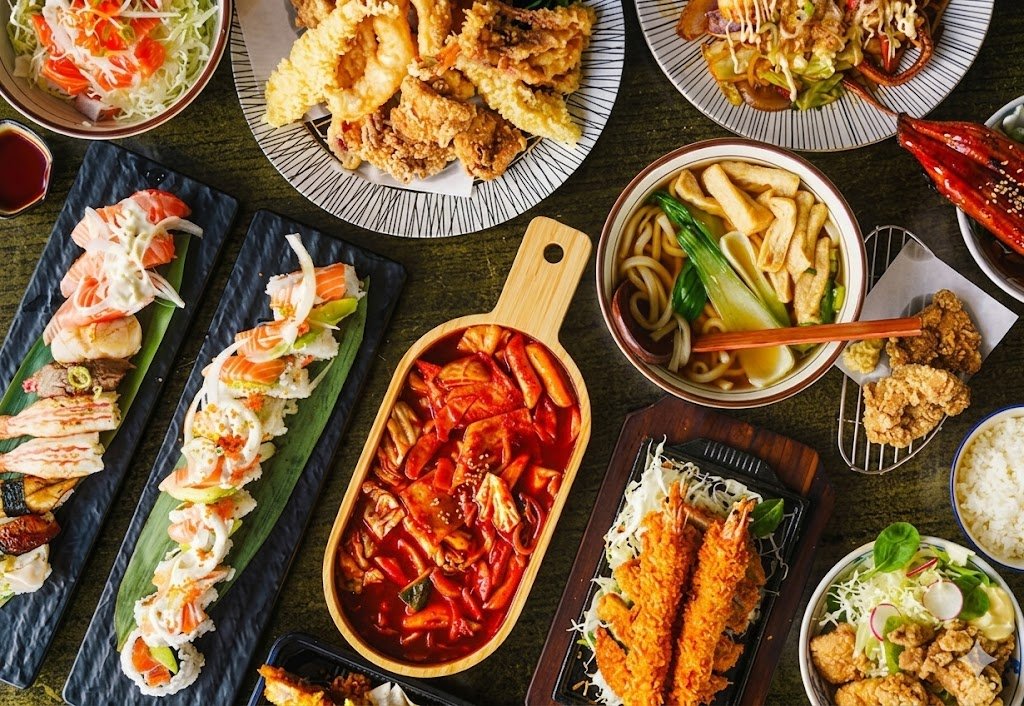
Korean cuisine has gained global attention because of its bold flavors, colorful presentation, and balanced ingredients. Many dishes combine spicy, sweet, and savory tastes in one meal. Traditional Korean food also focuses on fresh vegetables, fermented dishes, and healthy cooking methods.
Across the world, food lovers enjoy popular Korean foods such as Kimchi, Bibimbap, and Bulgogi. These dishes represent the heart of traditional Korean cuisine and show the culture of Korean home cooking. Restaurants in many countries now serve these meals because Korean food trends continue to grow.
In recent years, Korean culture has influenced global food choices through K-dramas, social media, and travel interest in South Korea. As a result, famous Korean dishes, Korean street food, and Korean BBQ have become widely popular. This growing interest will surely encourage you to explore authentic Korean flavors and cooking styles.
Bulgogi – Sweet and Savory Korean Grilled Beef
Among the most famous Korean foods, Bulgogi stands out for its rich flavor and tender texture. Thin slices of beef are marinated in soy sauce, garlic, sesame oil, and sugar. The meat is then grilled or stir-fried to create a sweet and savory Korean BBQ dish.
Traditionally, Korean families prepare this dish for gatherings and special meals. The marinade gives the beef a deep flavor while keeping it juicy during cooking. Because of its balanced taste, bulgogi has become one of the most popular Korean meat dishes.
Food lovers around the world enjoy bulgogi with rice, lettuce wraps, and Korean side dishes. This classic Korean BBQ recipe highlights the harmony of sweet and savory flavors. Its simple preparation and delicious taste make it a favorite in Korean cuisine.
Kimchi – Korea’s Most Famous Fermented Dish
One of the most recognizable foods in Korean culture is Kimchi. This traditional dish uses fermented cabbage mixed with chili pepper, garlic, ginger, and fish sauce. The fermentation process creates a tangy flavor and strong aroma.
For centuries, Korean households have prepared kimchi as an essential side dish called banchan. Wide varieties exist, including cabbage kimchi, radish kimchi, and fresh kimchi. These fermented foods also provide probiotics and important nutrients.
Today, kimchi has become a global symbol of Korean traditional food. Many chefs add it to fried rice, soups, noodles, and even modern fusion dishes. Its spicy and sour taste gives Korean meals their unique identity.
Bibimbap – A Colorful Korean Mixed Rice Bowl
A bowl of Bibimbap shows the beauty of Korean food presentation. This dish combines warm rice with vegetables, beef, fried egg, and spicy gochujang sauce. Each ingredient adds a different texture and flavor to the meal.
Restaurants often arrange the toppings in bright sections to create an attractive look. Diners mix everything before eating, which blends the rice, vegetables, and sauce perfectly. The dish represents balance and harmony in Korean cooking.
Many people consider bibimbap a healthy and complete Korean meal. Fresh vegetables, protein, and rice provide nutrition in one bowl. Because of this balance, bibimbap remains one of the most popular Korean rice dishes worldwide.
Samgyeopsal – Popular Korean Pork Belly BBQ

In Korean barbecue culture, Samgyeopsal holds a special place among meat lovers. Thick slices of pork belly cook on a grill at the dining table. The sizzling meat creates a rich flavor that defines the Korean BBQ experience.
Typically, diners wrap grilled pork in lettuce with garlic, chili paste, and fresh vegetables. This style of eating highlights the social side of traditional Korean dining culture. Families and friends enjoy the meal while cooking the meat together.
Globally, Korean restaurants promote samgyeopsal as a must-try dish for visitors. The combination of smoky pork, fresh greens, and spicy sauces attracts you. Its popularity continues to grow with the rise of authentic Korean barbecue.
Kkanpunggi – Korean-Chinese Spicy Fried Chicken
Among Korean-Chinese fusion dishes, Kkanpunggi stands out with its bold taste. Chefs deep fry chicken pieces until crispy and coat them in a spicy garlic sauce. The sauce often includes chili, soy sauce, and sweet vinegar.
Many restaurants serve this dish as a flavorful appetizer or main course. The crispy chicken absorbs the sauce while keeping its crunchy texture. This balance of spice and sweetness defines many Korean fusion food recipes.
International food lovers often compare this dish with other spicy chicken meals. However, kkanpunggi delivers a unique flavor inspired by Korean-Chinese cuisine traditions. Its intense taste makes it a memorable choice for Korean food fans.
Korean Chicken Skewers – Flavorful Street BBQ Snack
Street food markets in Korea frequently sell delicious Korean Chicken Skewers grilled over open flames. Vendors brush the meat with spicy sauces and sweet marinades. The smoky aroma attracts visitors walking through busy food streets.
Night markets and festivals highlight this dish as a favorite Korean street food snack. Grilled chicken pieces stay tender while the sauce caramelizes on the surface. This cooking style reflects the lively culture of Korean food stalls.
Travelers often enjoy chicken skewers as a quick and tasty meal while exploring Korean cities. The combination of spice, sweetness, and grilled flavor appeals to many tastes. Because of this, it remains a popular item in Korean street food culture.
Fresh Kimchi Geotjeori – Light and Fresh Kimchi Variety
Unlike fermented kimchi, Geotjeori offers a fresh and lightly seasoned taste. Cabbage mixes with chili flakes, garlic, sesame oil, and fish sauce. This quick recipe highlights the refreshing side of traditional Korean side dishes.
Many Korean households prepare geotjeori for immediate serving instead of long fermentation. The crisp vegetables keep their natural texture and bright flavor. This dish adds variety to everyday Korean banchan meals.
Food lovers enjoy geotjeori because it delivers spice without strong fermentation. Restaurants often serve it with rice, grilled meat, or noodle dishes. Its simple preparation makes it a popular choice in authentic Korean cuisine.
Kimchi Jjigae – Spicy Korean Kimchi Stew
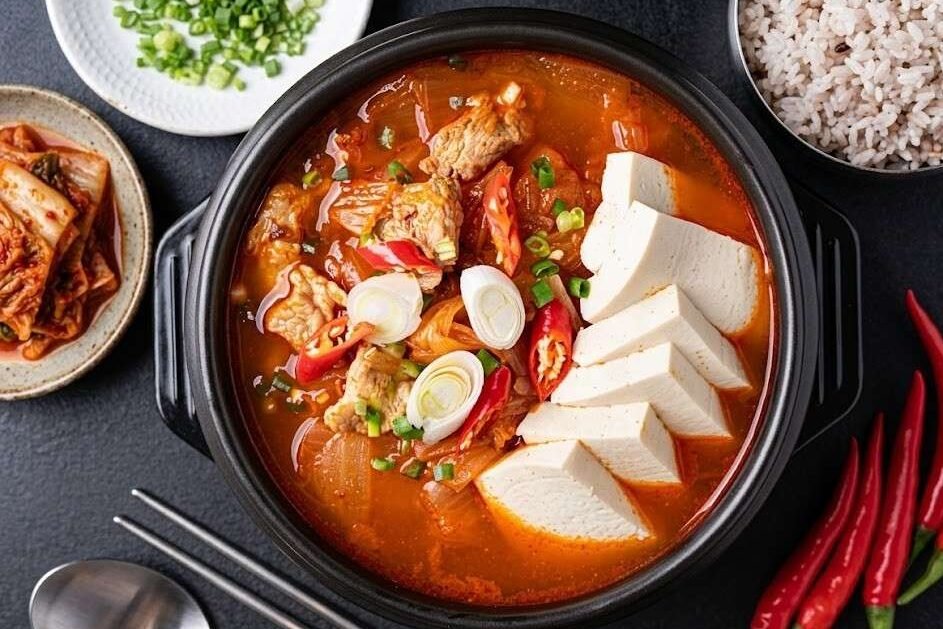
Among comforting Korean soups, Kimchi Jjigae remains one of the most loved dishes. Chefs cook aged kimchi with tofu, pork, garlic, and chili paste. The ingredients create a deep and spicy flavor typical of Korean stew recipes.
During cold weather, many families prepare this dish as a warm and satisfying meal. The fermented kimchi gives the broth a rich and tangy taste. This hearty soup represents the essence of traditional Korean comfort food.
Globally, Korean restaurants highlight kimchi jjigae as a signature menu item. Rice usually accompanies the stew to balance its strong flavor. Its bold taste has helped spread the popularity of famous Korean soups and stews.
Korean Side Dishes (Banchan) – Essential Part of Korean Meals
Every traditional Korean meal includes several small plates called banchan. These dishes may include vegetables, fermented foods, seafood, or seasoned tofu. Many restaurants serve them alongside rice and soup to complete the meal.
Typical banchan varieties often feature Kimchi, pickled radish, seasoned spinach, and marinated beans. Each side dish adds a unique taste and texture to the table. This tradition reflects the balanced nature of Korean food culture.
Visitors often find it surprising how many side dishes are served in Korean restaurants. The variety allows diners to experience many flavors in one sitting. Because of this, banchan plays an important role in authentic Korean dining traditions.
Tteokbokki – Korea’s Favorite Spicy Street Food
Popular food markets in Korea frequently feature steaming plates of Tteokbokki. Vendors cook chewy rice cakes in a spicy sauce made from gochujang and chili flakes. The dish delivers a bold, slightly sweet flavor that many love.
Students and street food lovers often enjoy tteokbokki as a quick snack. Fish cakes, boiled eggs, and green onions sometimes appear in the dish. These ingredients make it one of the most famous Korean street food recipes.
International food fans now recognize tteokbokki through Korean dramas and food videos. Its bright red sauce and chewy texture create a memorable eating experience. This dish continues to grow in popularity as part of global Korean food trends.
Bibimmyeon – Spicy Korean Mixed Cold Noodles
Refreshing noodle dishes like Bibimmyeon are popular during warm weather in Korea. Chewy noodles are mixed with spicy chili paste, sesame oil, and fresh vegetables. The dish creates a bold balance of sweet, spicy, and tangy flavors found in Korean noodle cuisine.
During the summer months, many people choose bibimmyeon for its cool and light taste. Cucumber slices, boiled eggs, and sesame seeds add extra texture and freshness. This combination makes it a favorite in traditional Korean cold noodle dishes.
Food markets and restaurants often serve bibimmyeon as a quick and flavorful meal. The spicy sauce coats the noodles and delivers a satisfying kick. Because of this, it remains one of the most popular Korean noodle recipes.
Jjampong – Spicy Korean-Chinese Seafood Noodles
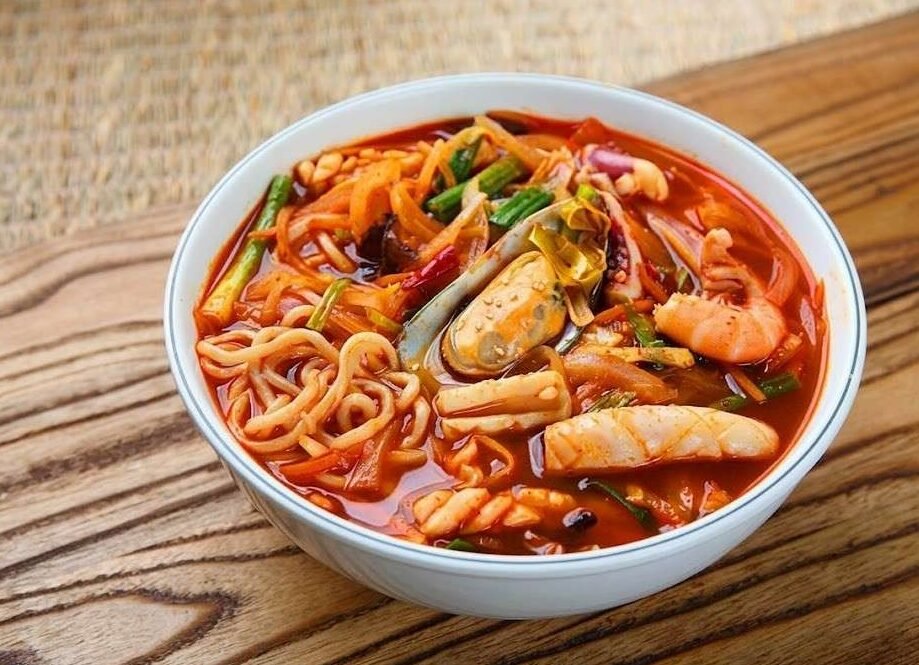
Originating from Korean-Chinese cuisine, Jjampong offers a rich and spicy seafood broth. Chefs prepare the soup with noodles, shrimp, squid, cabbage, and chili oil. The bold broth represents the vibrant taste of Korean seafood noodle dishes.
Across Korean cities, restaurants serve jjampong as a comforting and hearty meal. The mixture of seafood and vegetables will give the soup a deep flavor. This dish highlights the influence of Korean-Chinese fusion cuisine.
Many visitors enjoy jjampong because it delivers both spice and warmth in one bowl. Thick noodles absorb the broth and create a satisfying texture. The dish continues to grow in popularity among fans of famous Korean noodle soups.
Japchae – Stir-Fried Korean Glass Noodles
Traditional celebrations in Korea often include a plate of Japchae. This dish uses sweet potato glass noodles stir-fried with vegetables, soy sauce, and sesame oil. The shiny noodles provide a slightly sweet and savory flavor typical of classic Korean stir-fry dishes.
Colorful ingredients like carrots, spinach, onions, and mushrooms give japchae a vibrant appearance. Beef or tofu sometimes appears in the recipe for added protein. These ingredients create a balanced meal for you in authentic Korean home cooking.
Special occasions and holidays frequently feature japchae as a popular side dish. The soft noodles blend well with vegetables and light seasoning. Because of its flavor and texture, japchae remains a favorite in traditional Korean noodle dishes.
Haemul Pajeon – Korean Seafood Pancake
Savory pancakes such as Haemul Pajeon play an important role in Korean food culture. Chefs prepare the pancake with flour batter, green onions, and fresh seafood. The crispy edges and soft center make it a delicious example of Korean pancake recipes.
Rainy days in Korea often inspire people to enjoy pajeon with warm soup or drinks. The seafood mixture may include shrimp, squid, or clams for extra flavor. This combination creates a satisfying dish in traditional Korean street food.
Restaurants usually serve haemul pajeon with a light soy dipping sauce. The savory pancake offers a crispy bite followed by tender seafood pieces. For many diners, it represents one of the most enjoyable popular Korean appetizers.
Sundubu Jjigae – Spicy Soft Tofu Stew
Comforting Korean stews like Sundubu Gyeran Guk use soft tofu, vegetables, and chili paste for a flavorful broth. The dish often includes seafood or pork for richness. It is a signature example of Korean spicy soup recipes.
Many Korean households serve sundubu jjigae as a hot meal during cold weather. The silky tofu absorbs the spicy broth while maintaining a smooth texture. This stew reflects the balance of heat and comfort in traditional Korean soups.
Restaurants and street vendors frequently offer this stew with a bowl of rice. Diners enjoy mixing it to experience a blend of spice, protein, and vegetables. Its warmth and bold flavor make it a beloved Korean comfort food.
Hangover Stew – Hearty Korean Comfort Soup
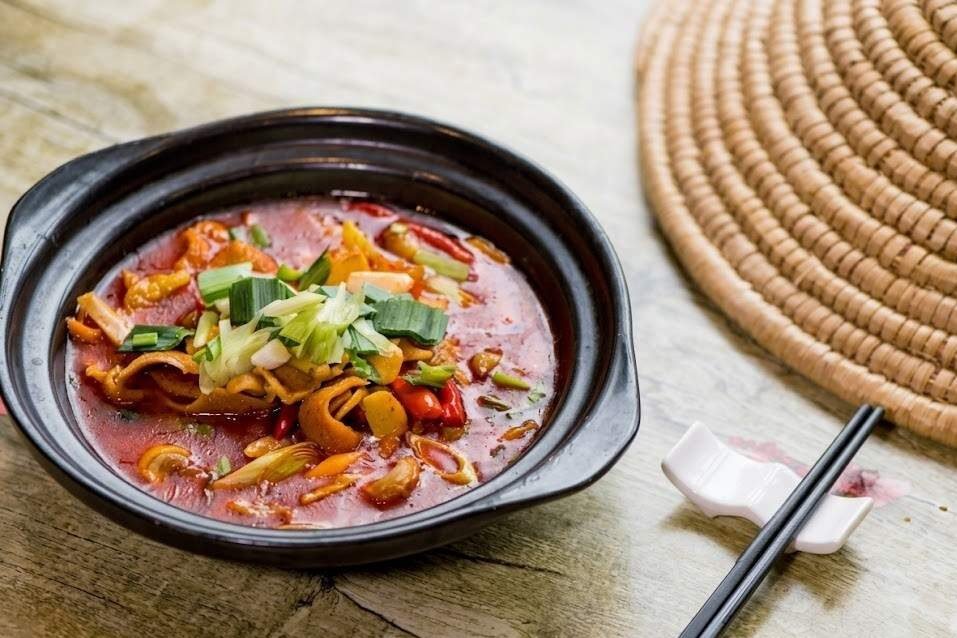
After late-night meals, many Koreans enjoy Hangover Stew, known for its restorative and spicy broth. The soup contains kimchi, pork, tofu, and sometimes beef bones. It showcases the richness of traditional Korean stew recipes.
Street food stalls often prepare hangover stew with fermented ingredients for deep flavor. The combination of spice and savory broth helps revitalize the body. This dish highlights the functional and cultural importance of famous Korean soups.
Food lovers appreciate its tangy and hearty taste as part of Korean dining culture. Rice usually accompanies the stew to balance its bold flavors. Its role in Korean comfort food traditions keeps it popular across the country.
Fish Stew – Traditional Korean Seafood Soup
Traditional Korean dishes like Fish Stew feature fresh fish simmered with chili paste, garlic, and vegetables. The broth is rich, spicy, and aromatic. This dish is part of classic Korean seafood soup recipes.
Families and restaurants alike serve it as a main course alongside rice. Ingredients such as radish, tofu, and green onions add nutrition and flavor. Fish stew demonstrates the balance of spice and freshness in Korean seafood cuisine.
Globally, the dish has gained recognition for its bold taste and comforting warmth. It reflects the importance of seafood in authentic Korean culinary traditions.
Kimbap – Korean Seaweed Rice Rolls
Kimbap, a popular Korean snack, combines rice, vegetables, and meat rolled in seaweed. Chefs slice the rolls into bite-sized pieces, making them easy to eat. This dish represents classic Korean rice roll recipes loved by both locals and tourists.
Schools, picnics, and street food markets often feature kimbap as a convenient meal. The fillings vary from vegetables to beef, tuna, or eggs, providing a variety of flavors. Its portability and taste make it a staple in traditional Korean lunch dishes.
Restaurants serve kimbap with pickled radish or dipping sauces to enhance flavor. The dish highlights the simplicity and balance of Korean street food culture. Many visitors try it as an introduction to authentic Korean cuisine.
Kimchi Fried Rice – Flavorful Korean Comfort Dish
Fried rice dishes like Kimchi Fried Rice combine rice with fermented kimchi, vegetables, and sometimes meat. The spicy-sour flavor from kimchi infuses the rice for a bold taste. It is a classic example of Korean comfort food recipes.
Many households prepare kimchi fried rice as a quick and satisfying meal. Adding a fried egg on top enhances both texture and richness. This dish shows the balance of spicy and savory flavors in Korean cooking.
Restaurants and cafés often feature kimchi fried rice as an affordable and popular dish. It pairs well with side dishes and soups. The simplicity and strong flavor make it one of the most recognized Korean rice dishes worldwide.
Fried Sweet Potato Noodles – Korean Stir-Fry Delight
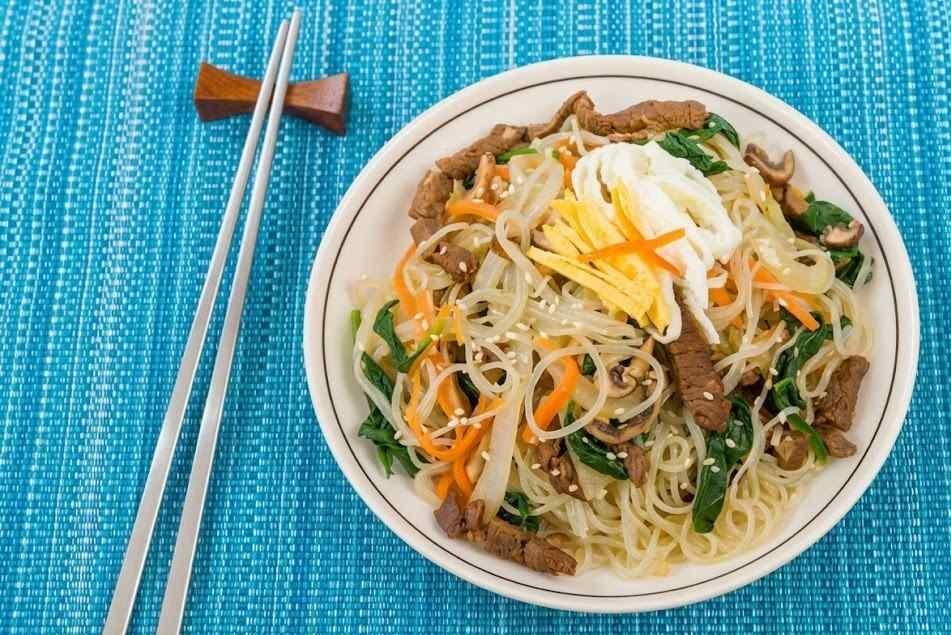
Stir-fried noodles such as Fried Sweet Potato Noodles feature chewy noodles cooked with vegetables, soy sauce, and sometimes meat. The glossy texture of noodles comes from sweet potato starch, giving it a unique bite. This recipe is part of traditional Korean noodle stir-fry dishes.
Food markets and Korean restaurants often serve this dish as a main meal or side. Ingredients like carrots, onions, and mushrooms enhance both flavor and color. It reflects the harmony of healthy and flavorful Korean cooking.
The dish’s mild yet savory taste makes it appealing to international diners. You will enjoy its chewy texture combined with a balanced sauce. Fried sweet potato noodles continue to be a favorite in authentic Korean cuisine menus.
Tornado Potatoes – Popular Korean Street Snack
Street food culture in Korea features innovative snacks like Tornado Potatoes, spiral-cut potatoes deep-fried to crisp perfection. Vendors often season them with cheese, chili, or spicy powder. This snack is an example of creative Korean street food recipes.
Markets, festivals, and amusement parks highlight tornado potatoes as a fun and flavorful treat. The crispy exterior and soft interior provide a satisfying texture. This dish shows the playful and experimental side of Korean snack culture.
Visitors often share images of tornado potatoes on social media, increasing their international fame. Its unique presentation and taste make it a memorable street food experience. The snack remains a popular choice in trendy Korean street food offerings.
Jjimdak – Soy Braised Chicken
Soy-braised chicken, known as Jjimdak, combines tender chicken with vegetables and a savory soy sauce. Sweet potato noodles often accompany the dish, absorbing the flavorful broth. It is an example of traditional Korean chicken recipes with a rich umami taste.
Korean restaurants frequently serve jjimdak as a family-style meal. The mix of carrots, potatoes, and bell peppers enhances both color and nutrition. This hearty dish represents the comfort and depth of authentic Korean cuisine.
Visitors enjoy jjimdak for its balance of savory and slightly sweet flavors. The dish’s warm and rich broth makes it a favorite during colder months. Its combination of protein and vegetables reflects classic Korean home-cooked meals.
Why Korean Food Is Becoming Popular Worldwide?
Korean food has gained international recognition due to its bold flavors, colorful presentation, and unique ingredients. Dishes like Kimchi, Bulgogi, and Bibimbap offer a balance of spice, sweetness, and freshness. This combination appeals to both casual diners and food enthusiasts globally.
The rise of K-pop, Korean dramas, and social media has introduced Korean cuisine to a worldwide audience. Street food, Korean BBQ, and traditional meals are now featured in international restaurants. These cultural influences have fueled interest in authentic Korean cuisine.
Health-conscious diners are also drawn to fermented foods, fresh vegetables, and balanced meals. Kimchi, bibimbap, and tofu-based dishes provide nutrition along with taste. As a result, popular Korean dishes are spreading across continents and becoming staples in many countries.
International food festivals and travel experiences continue to showcase the variety and creativity of Korean cuisine. Its bold flavors, social dining culture, and fusion dishes make it memorable for visitors. Korean food’s adaptability and vibrant taste ensure its continued global popularity.
Conclusion
Korean food has captured the hearts of food lovers worldwide with its bold flavors, colorful presentation, and healthy ingredients. From spicy stews to savory BBQ and refreshing cold noodles, every dish offers a unique taste experience. Street foods, traditional meals, and fusion recipes continue to expand globally. If you want a travel guide on South Korea, then visit the link: https://explorezone.researchskillcenter.com/exploring-nature-in-south-korea/
FAQ
1. What is the most famous Korean food?
Kimchi, Bulgogi, Bibimbap, and Tteokbokki are among the most famous Korean dishes globally.
2. Why is Korean food so popular worldwide?
Korean food combines bold flavors, healthy ingredients, and visually appealing dishes, boosted by K-pop and K-dramas.
3. What are common Korean street foods?
Tteokbokki, Kimbap, Tornado Potatoes, and Korean Fried Chicken (Chimaek) are popular street foods.
4. Is Korean food healthy?
Many Korean dishes include fermented foods, fresh vegetables, and lean proteins, making them nutritious and balanced.
5. Can I try Korean food at home?
Yes, dishes like Bibimbap, Kimchi Fried Rice, and Bulgogi have simple recipes suitable for home cooking.