
Everyday Japanese Foods Tourists Often Miss
When I started noticing daily Japanese food, I understood that it is very different from tourist meals. Locals usually eat simple dishes made for comfort and health, not luxury. Japanese home cooking focuses on balance, routine, and fresh ingredients.
Miso soup is something I saw almost every day while eating in Japan. It is served at home, in small restaurants, and even with breakfast. This soup is an important part of everyday Japanese meals and comfort food.
Onigiri quickly became my favorite example of Japanese daily food. People eat these rice balls at work, school, or while traveling. It shows how simple Japanese comfort food fits perfectly into busy life.
Rice bowls like gyudon and oyakodon are also common local meals. They are affordable, filling, and easy to find near train stations. These dishes clearly represent daily Japanese food that tourists often miss.
Street Foods That Rarely Make Tourist Checklists
While walking through local neighborhoods, I noticed Japanese street food is more than just famous snacks. Many visitors rush past small stalls without stopping. These local food spots show the real taste of everyday Japanese street food.
- Takoyaki is popular, but locals also enjoy lesser-known street snacks. I tried simple grilled items that felt more homemade than tourist food. These Japanese street foods are part of daily life, not just festivals.
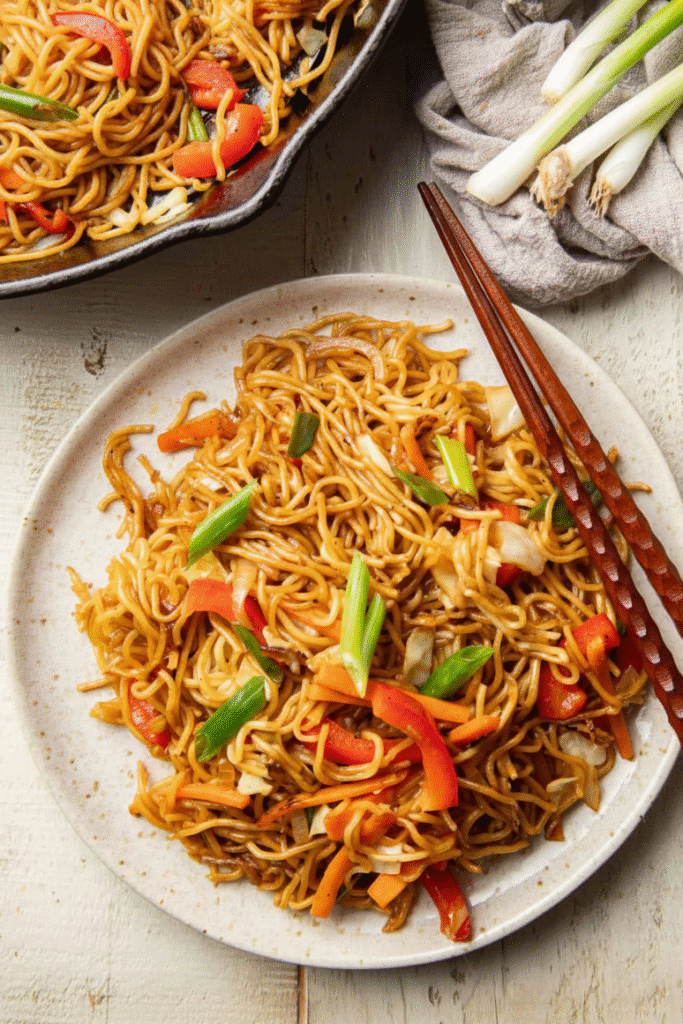
- Yakisoba is another dish I often see at local events and small stalls. It is filling, affordable, and cooked fresh in front of you. This comfort food is common in Japanese street food culture.
- Imagawayaki surprised me the most during my walks. Locals patiently wait for this warm, sweet-filled cake. It proves that Japanese street food includes simple desserts that tourists often miss.
Traditional Noodles Beyond Ramen
Before visiting Japan, I thought ramen was the main noodle dish. Later, I learned locals eat many other Japanese noodle dishes every week. These everyday noodles are lighter and fit well into daily Japanese meals.
- Soba noodles became something I saw often in small local restaurants. People eat soba hot in winter and cold in summer. This shows how soba is an important part of seasonal Japanese food.
- Udon feels like true Japanese comfort food to me. It is thick, soft, and served in simple broth. Many locals choose udon for quick lunches and family dinners.
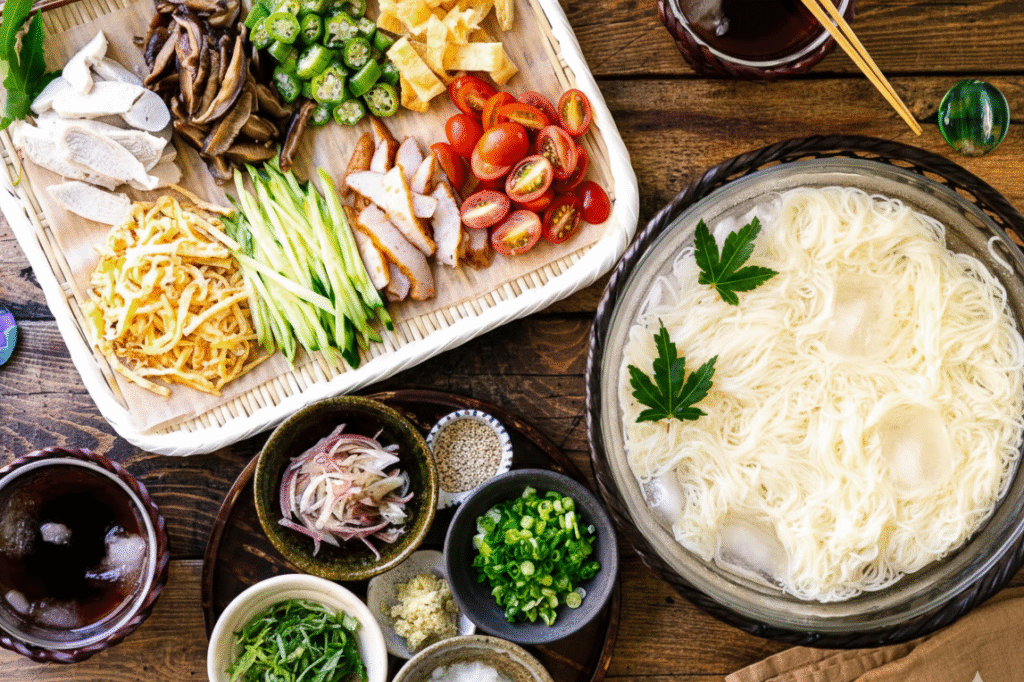
- In summer, I noticed people enjoying somen instead of heavy meals. These thin noodles are eaten cold and feel very refreshing. Somen is a perfect example of everyday Japanese food that tourists often miss.
Japanese Grilled and Fried Foods Locals Love
I learned that grilled and fried food is a big part of daily Japanese meals. Locals enjoy these dishes at casual restaurants and neighborhood places. This side of Japanese food culture is often missed by tourists.
- Yakitori was something I saw after work hours in busy areas. People gather at small grills to eat chicken skewers and relax. This Japanese grilled food is more about community than luxury dining.
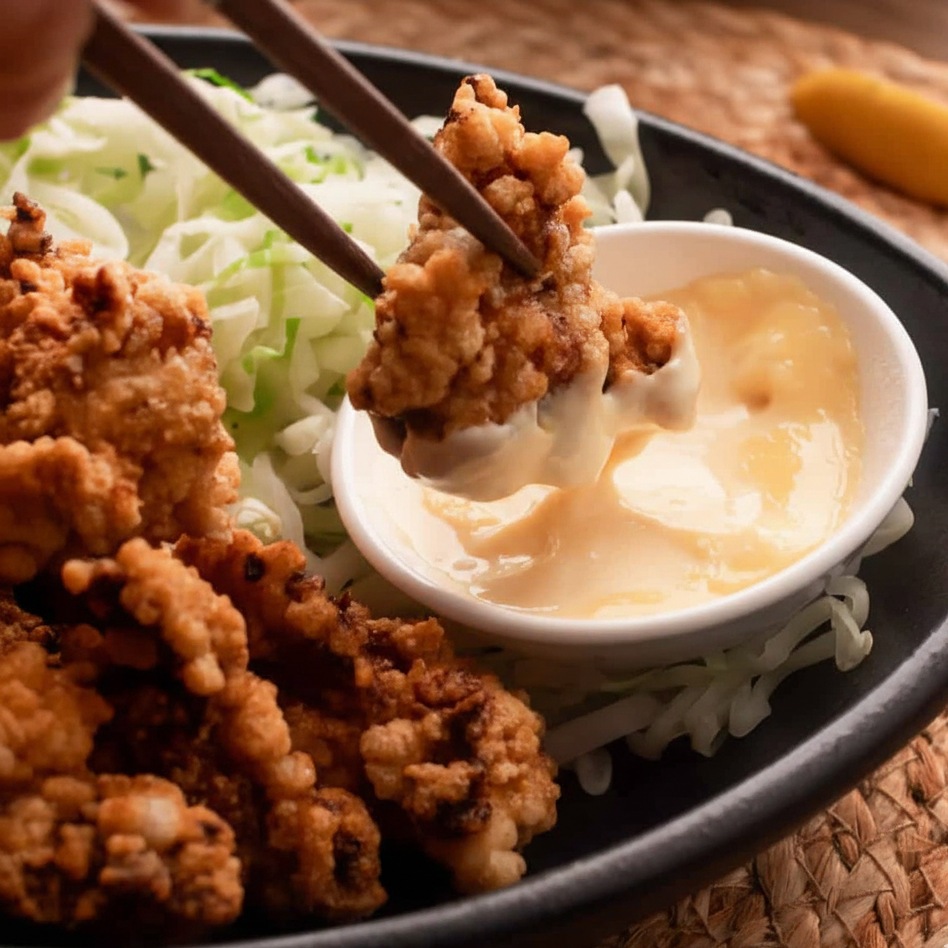
- Karaage quickly became my favorite Japanese fried dish. It is crispy, juicy, and served in homes and local eateries. Many locals see karaage as everyday comfort food.
- Tonkatsu is another fried dish locals often enjoy. It is usually served with rice, cabbage, and soup. This simple meal shows how fried Japanese food fits into daily life.
Traditional Dishes Found at Home, Not Restaurants
I noticed that many traditional Japanese dishes are cooked at home. These meals are shared with family and feel very comforting. This kind of Japanese home cooking is rarely seen on tourist menus.
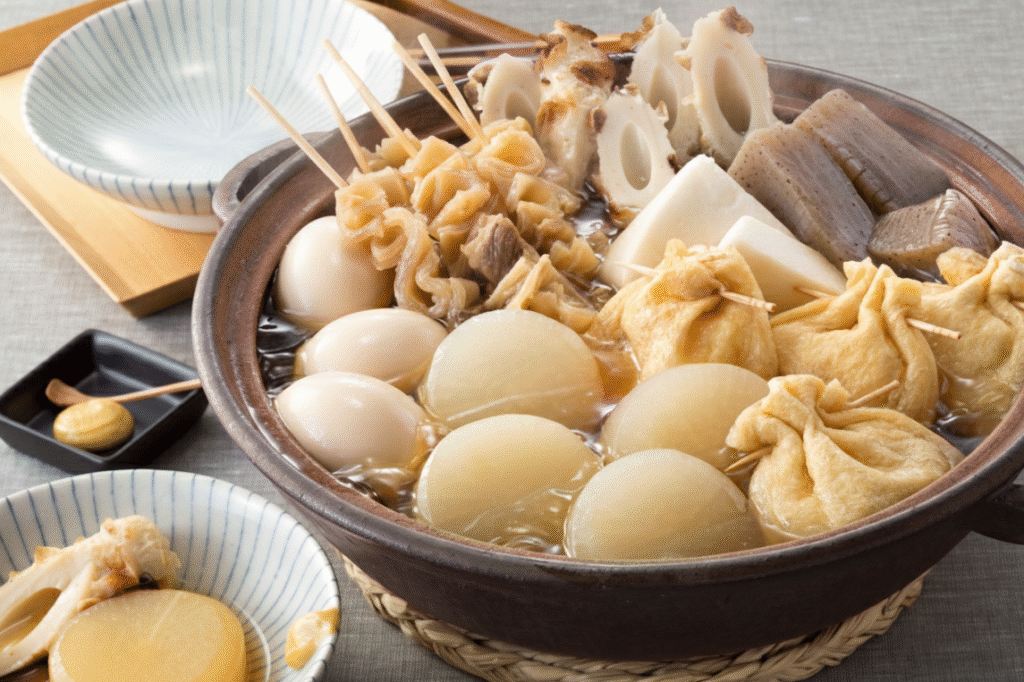
- Oden is a dish I mostly saw during colder months. It is a slow-cooked meal with vegetables and fish cakes. Locals enjoy oden as warm and simple Japanese comfort food.
- Shabu-shabu and sukiyaki are often eaten together at the table. Families cook the food slowly and enjoy it over conversation. These traditional Japanese meals are about time and togetherness.
- I also learned about shojin ryori while visiting quiet temple areas. This Buddhist food uses only plant-based ingredients. It shows a peaceful side of traditional Japanese cuisine that tourists often miss.
Seafood Dishes Tourists Rarely Try
I realized that Japanese seafood dishes go far beyond sushi and sashimi. Locals eat many simple seafood meals as part of daily life. These everyday Japanese foods are often skipped by tourists.
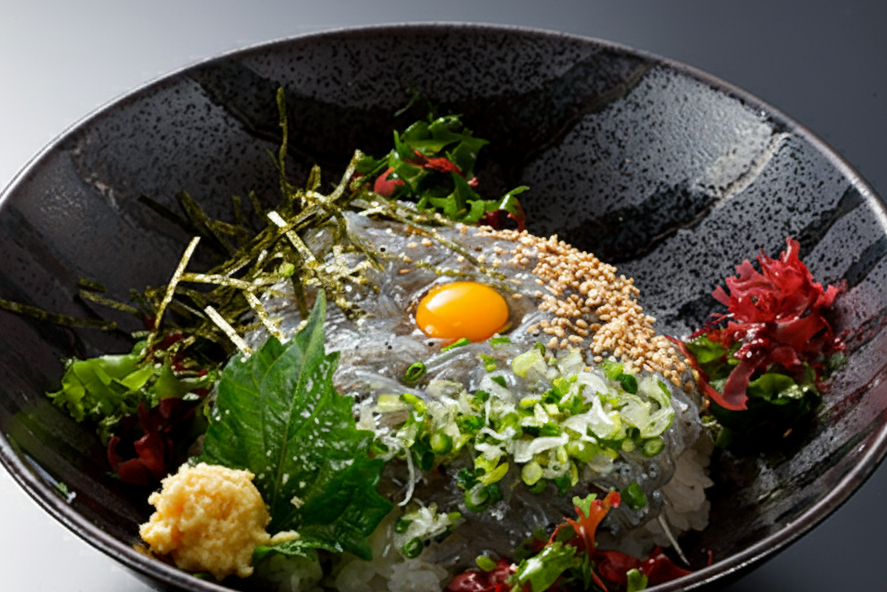
- Shirasu-don was new to me when I saw it on local menus. It is a rice bowl topped with tiny fish and light seasoning. Many locals enjoy this dish as fresh and healthy Japanese seafood.
- Unagi is eaten less often, but it is still very special in Japanese food culture. People usually eat it during certain seasons for energy. This shows how seafood is connected to tradition, not trends.
- Bonito dishes are another local favorite I discovered. They are lightly prepared and full of natural flavor. These simple seafood meals reflect real Japanese eating habits.
Japanese Sweets You Won’t Find at Sushi Bars
I learned that Japanese desserts are very different from Western sweets. They are lighter, less sweet, and often tied to tradition. These everyday Japanese sweets are easy to miss when traveling.
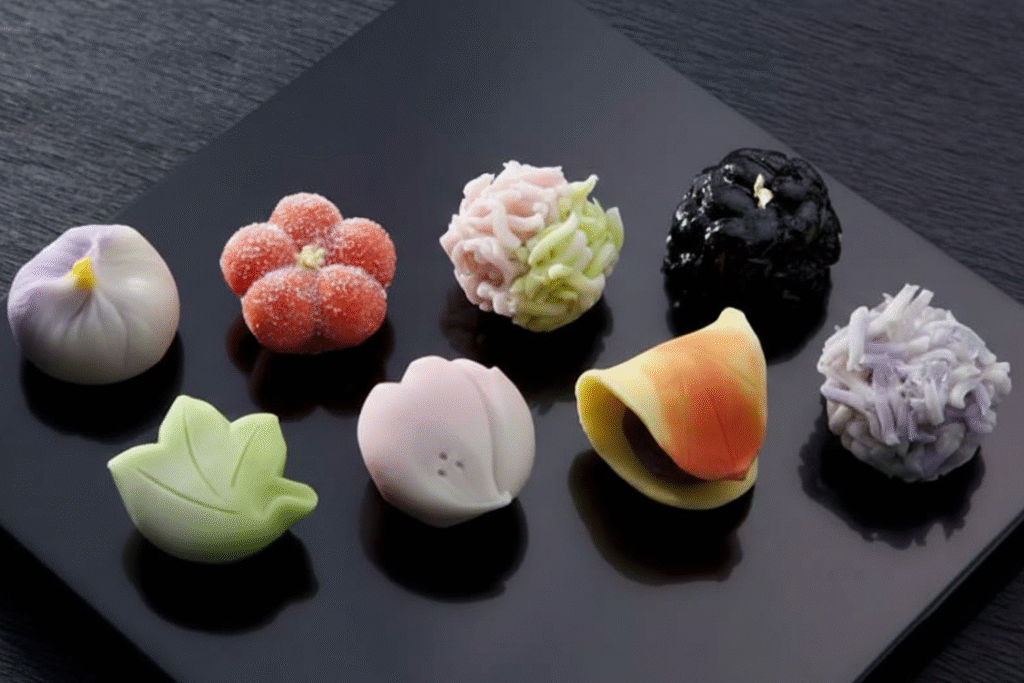
- Wagashi was one of the most beautiful foods I saw in Japan. These traditional Japanese sweets change with the seasons. Locals often eat wagashi with tea, not as a heavy dessert.
- Taiyaki became a snack I enjoyed while walking around local streets. It is a fish-shaped cake filled with sweet paste. This street dessert is common in daily Japanese food culture.
- I also tried yomogi dango and mochi during small local events. These chewy rice sweets are simple but satisfying. They show how Japanese confectionery treats are part of everyday life.
Everyday Japanese Ice Cream and Modern Treats
I was surprised to see how popular ice cream is in Japan. Locals enjoy it in all seasons, not just summer. These modern Japanese desserts are part of daily life.
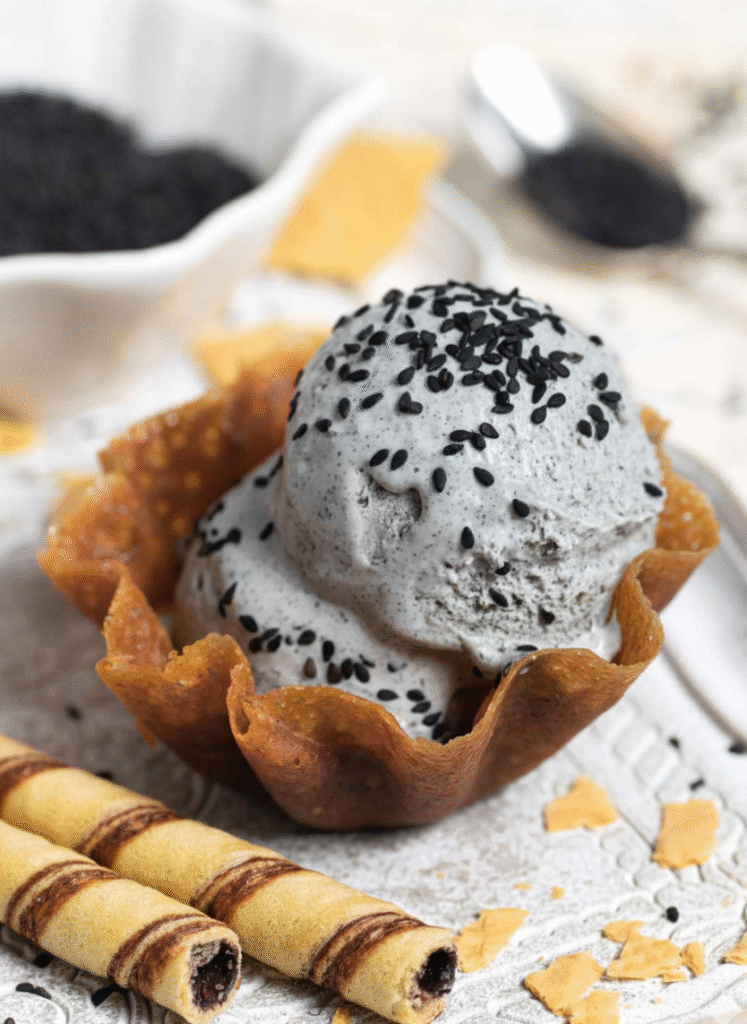
- Matcha and sesame ice cream quickly became my favorites. The flavors are rich but not too sweet. These Japanese ice cream choices reflect local taste and tradition.
- Cremia soft serve is something I saw many locals enjoying. It is creamy and feels like a special treat after meals. This dessert is common in everyday Japanese food culture.
I also noticed baked goods and modern sweets in small shops. They mix Japanese flavors with Western styles. These treats show how Japanese desserts continue to evolve.
Regional Specialties Locals Grow Up Eating
While traveling across Japan, I noticed food changes by region. Locals feel proud of dishes from their hometowns. These regional Japanese foods are part of everyday life.
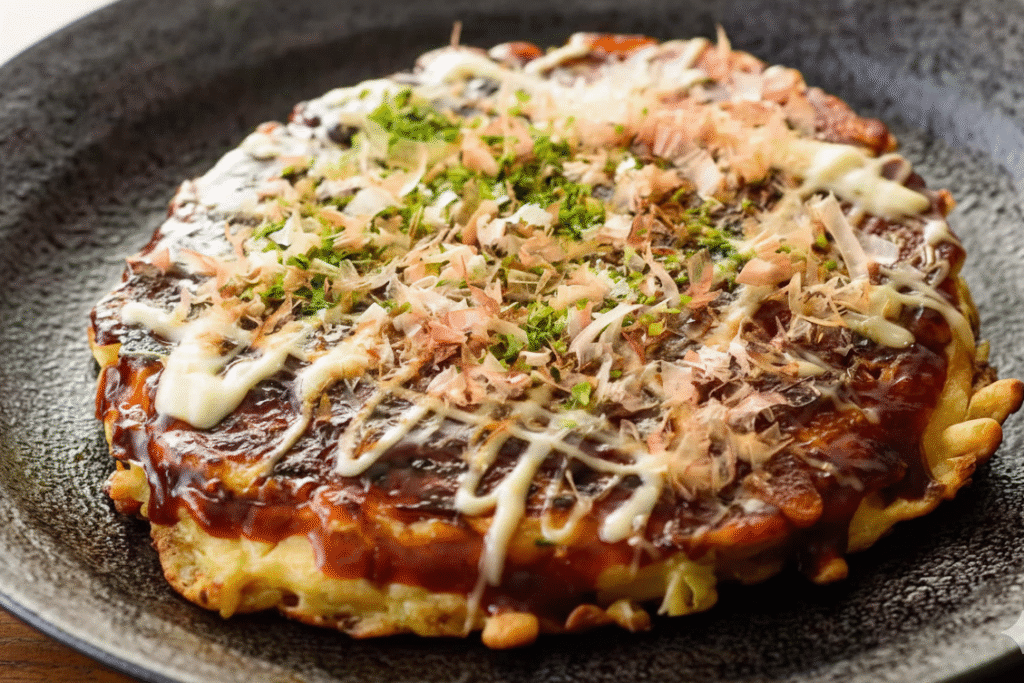
- Okonomiyaki tasted different depending on the city I visited. Some places mix everything, while others layer the ingredients. This dish shows how regional Japanese cuisine has a local identity.
- Gyutan was something I tried in northern Japan. It is grilled beef tongue served in simple meals. Many locals grow up eating this as normal comfort food.
- I also learned about kiritanpo in colder areas. It is made from mashed rice and cooked in soup. This regional dish reflects how local Japanese food fits the climate and culture.
Why Eating Everyday Japanese Food Changes Your Travel Experience?
When I stopped chasing famous dishes, my travel experience changed. Eating everyday Japanese food helped me understand local life better. These meals feel more real than tourist favorites.
I noticed that Japanese food culture is closely tied to routine and season. Locals eat what feels right for the time and place. This mindset is easy to miss when following only popular food lists. Trying local diners and small shops made a big difference for me. These places serve daily Japanese meals at fair prices. This is where tourists can truly eat like a local.
By choosing simple dishes, I felt more connected to Japan. Everyday foods tell quiet stories about people and culture. This is why tourists should look beyond famous Japanese cuisine.
How to Find Everyday Japanese Food as a Visitor?
I learned that finding everyday Japanese food is not difficult. You just need to walk away from crowded tourist areas. Small streets often hide the best local food spots. I usually look for local diners, family-run shops, and busy lunch places. If locals are eating there, the food is likely good. These places serve real Japanese comfort food every day.
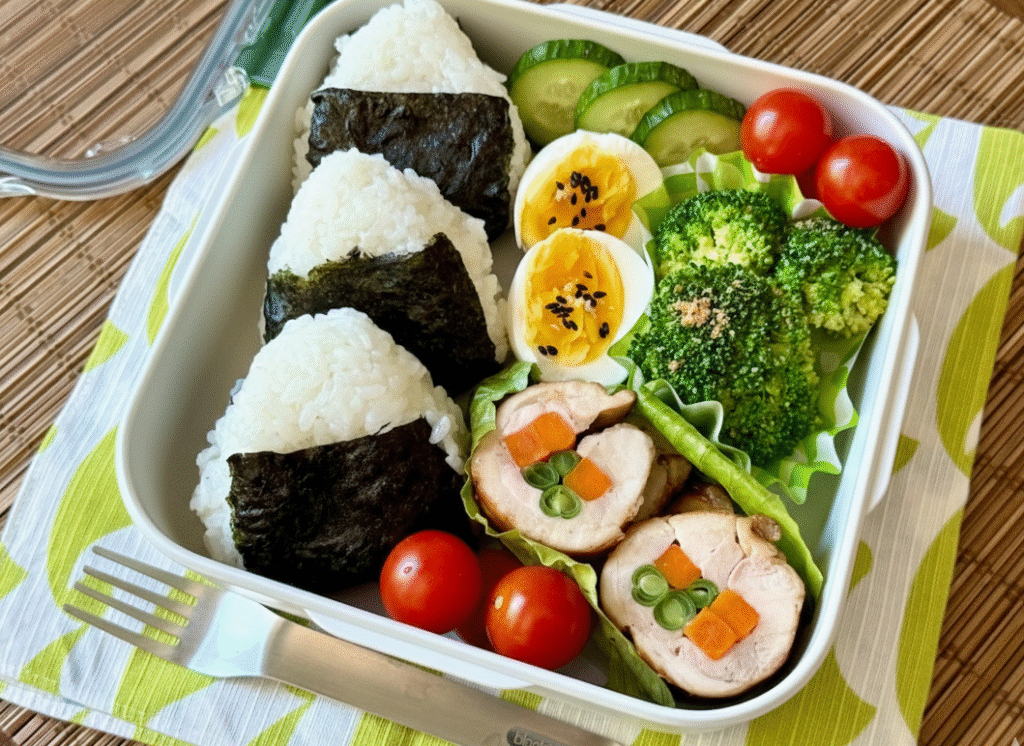
Convenience stores also surprised me in Japan. They offer fresh meals like onigiri, bento, and noodles. This makes it easy for visitors to experience daily Japanese food. By being curious and open, I found better food experiences. Every day, Japanese meals helped me understand the culture more deeply. Eating like a local made my trip more meaningful.
Conclusion
After exploring Japan, I realized food is part of the daily rhythm. Everyday Japanese foods reflect comfort, balance, and tradition. These meals tell more about Japan than the famous dishes. I enjoyed learning how locals eat simple meals every day. Japanese home cooking and street food felt honest and welcoming. This experience changed how I see Japanese cuisine.
Tourists often miss these foods because they look plain. But these dishes carry deep cultural meaning. Trying everyday Japanese food helped me connect with Japan on a deeper level. I now believe the best way to enjoy Japan is to eat like a local. Simple meals create lasting memories. Every day, Japanese foods truly shape the travel experience.
FAQs
1. What are everyday Japanese foods?
Everyday Japanese foods are simple meals locals eat daily, such as miso soup, onigiri, noodles, and home-style dishes.
2. Why do tourists miss everyday Japanese food?
Tourists often focus on famous dishes like sushi and ramen and skip local diners and neighborhood food spots.
3. Where can tourists find everyday Japanese food?
You can find it in small restaurants, convenience stores, local markets, and residential areas.
4. Is everyday Japanese food affordable?
Yes, most everyday Japanese meals are affordable and designed for daily eating.
5. Are everyday Japanese foods healthy?
Many everyday Japanese dishes focus on balance, fresh ingredients, and light cooking methods.