Historical Foundations of Pakistani Culture
The culture of Pakistan is a strong mix of history, faith, and regional traditions. It has grown over centuries through the influence of South Asian civilizations and Islamic values. This blend has shaped daily life, social behavior, and cultural identity across the country.
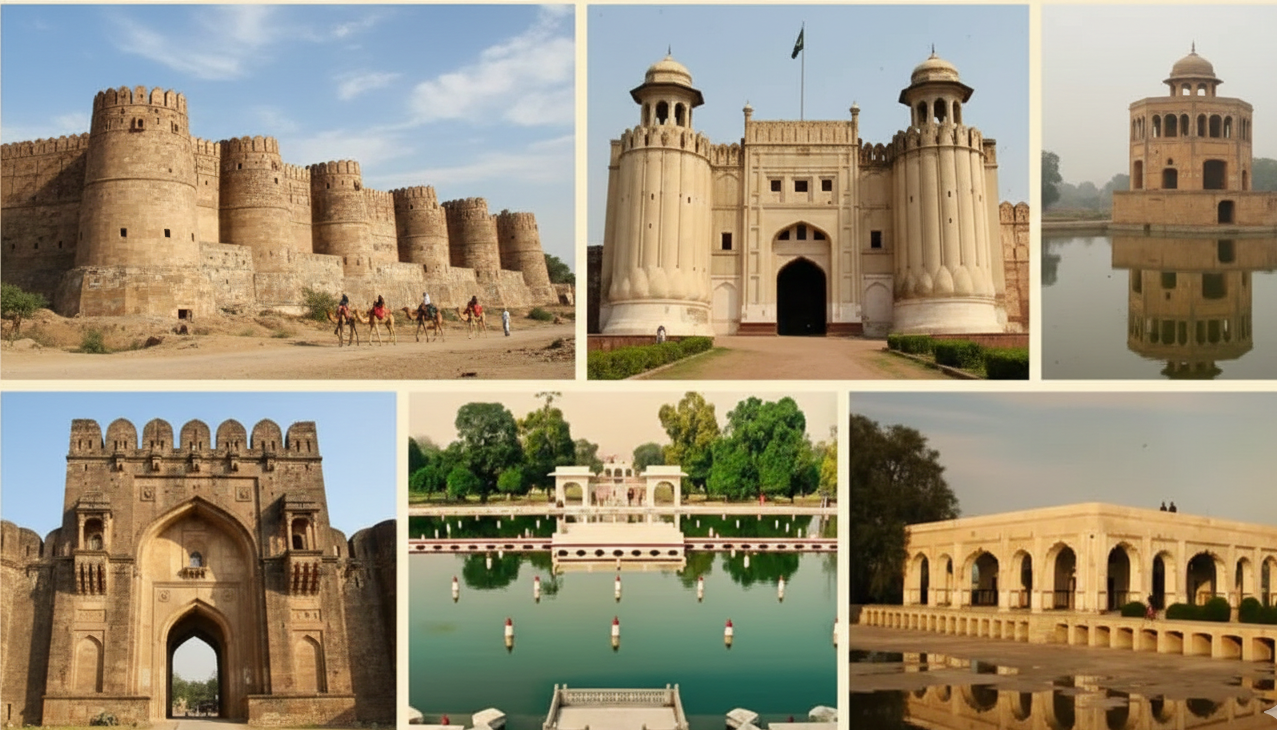
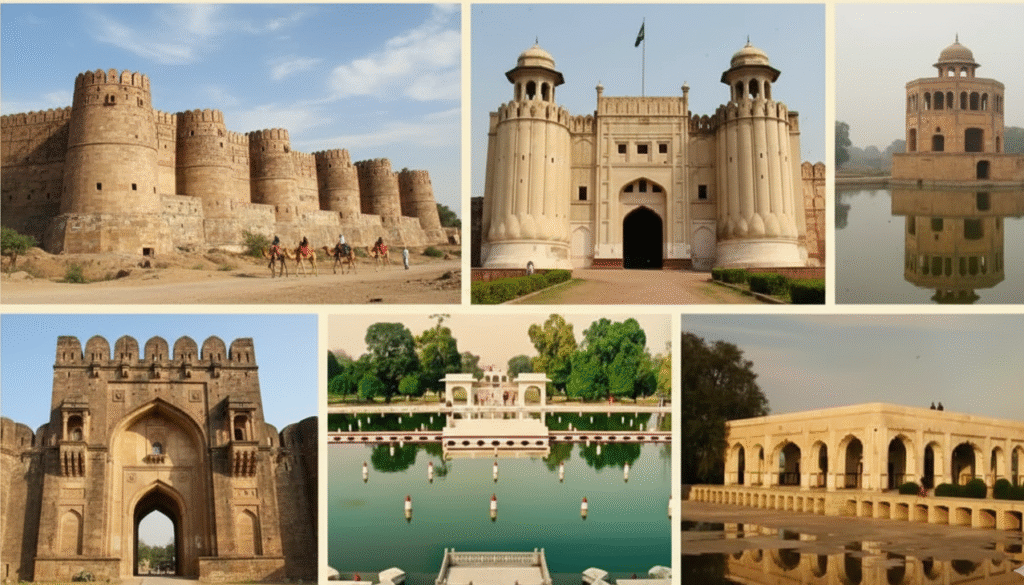
Indo-Islamic heritage plays a central role in Pakistani culture. The Mughal era left a deep impact on architecture, art, language, and customs. Mosques, forts, and gardens still reflect this rich past and show how history lives on today.
Islamic culture in Pakistan guides moral values, family structure, and community life. Along with that, local traditions add color and diversity to society. This balance between history and faith makes Pakistan’s culture unique and deeply rooted.
Ethnic Communities Shaping Pakistan’s Identity
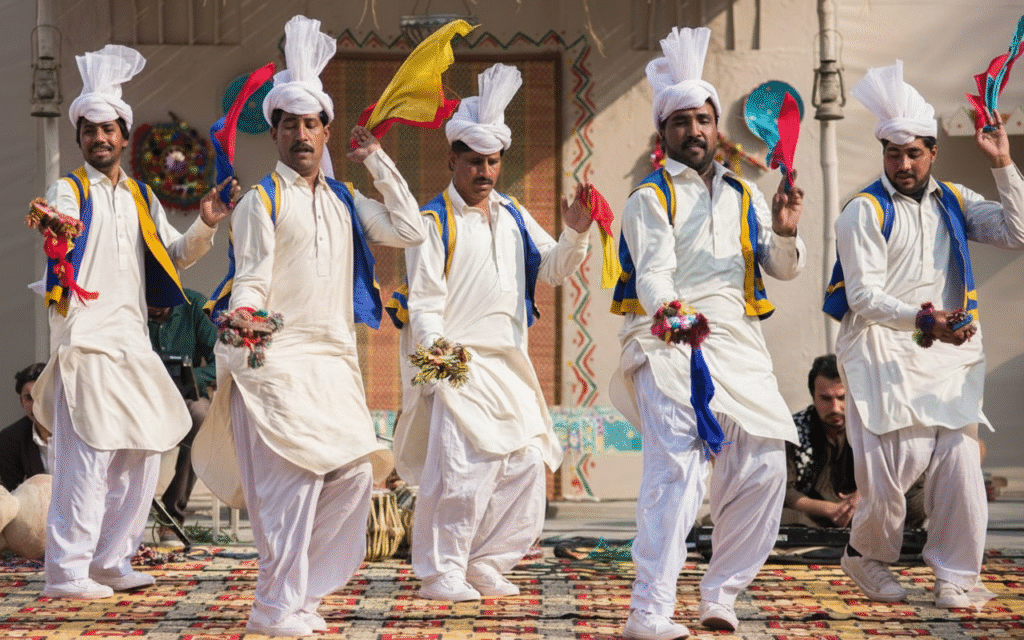
The Pakistani culture is a beautiful mix of many ethnic communities living together. Each group brings its own traditions, clothing, language, and customs. This diversity creates a strong cultural identity that feels rich and welcoming.
When I explore the ethnic groups of Pakistan, I see how Punjabis, Sindhis, Balochis, and Pashtuns shape regional life. Their festivals, music, and food reflect deep historical roots. Minority groups like the Kalashi and Pahari communities add even more cultural depth.
This ethnic diversity makes Pakistan special. Despite differences, people share common values such as respect, hospitality, and family bonds. This unity within diversity defines the true spirit of Pakistani society.
Languages Spoken Across Pakistan
The languages of Pakistan play a major role in cultural expression and daily communication. Urdu connects people at the national level, while English is widely used in education and official work. Together, they help different communities understand each other.
As I travel across regions, I hear many regional languages of Pakistan, such as Punjabi, Sindhi, Pashto, Balochi, and Pahari. Each language reflects local history, poetry, and traditions. These dialects keep regional identities alive and strong.
Linguistic diversity adds beauty to Pakistani culture. Even with many dialects, people remain connected through shared values and traditions. This harmony of languages shows the cultural unity of Pakistan.
Pakistani Festivals and Religious Celebrations
The festivals of Pakistan are moments that bring families and communities closer. These events are filled with prayers, food, and shared happiness. They reflect strong religious values and social traditions across the country.
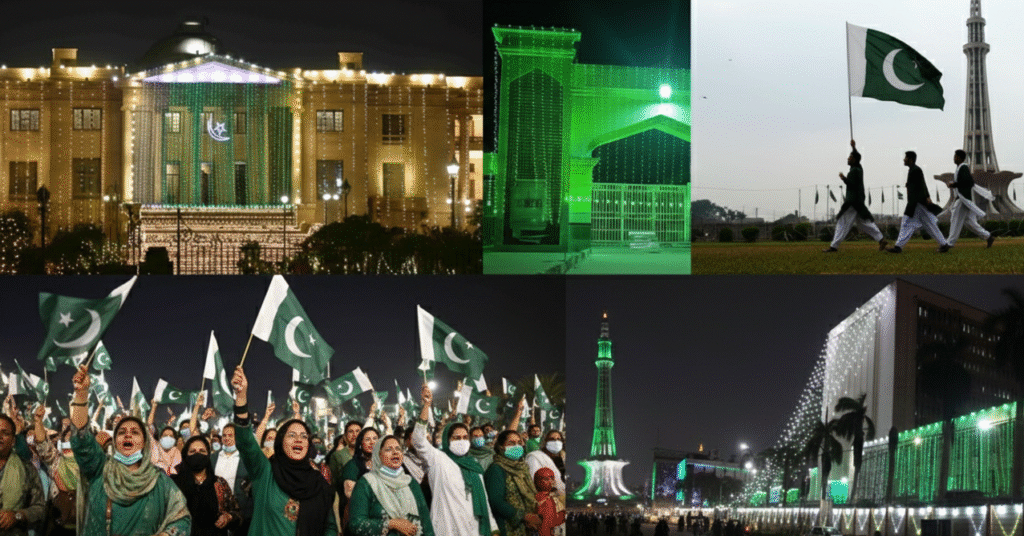
During Islamic festivals in Pakistan, such as Eid-ul-Fitr and Eid-ul-Adha, there is a deep sense of unity and care for others. Ramadan also holds special importance as a month of worship, patience, and generosity. These occasions strengthen spiritual life.
I also feel national pride during Pakistan Independence Day, when people celebrate freedom and identity. Religious and national festivals together show how faith and patriotism shape Pakistani culture in a meaningful way.
Traditional Food Culture of Pakistan
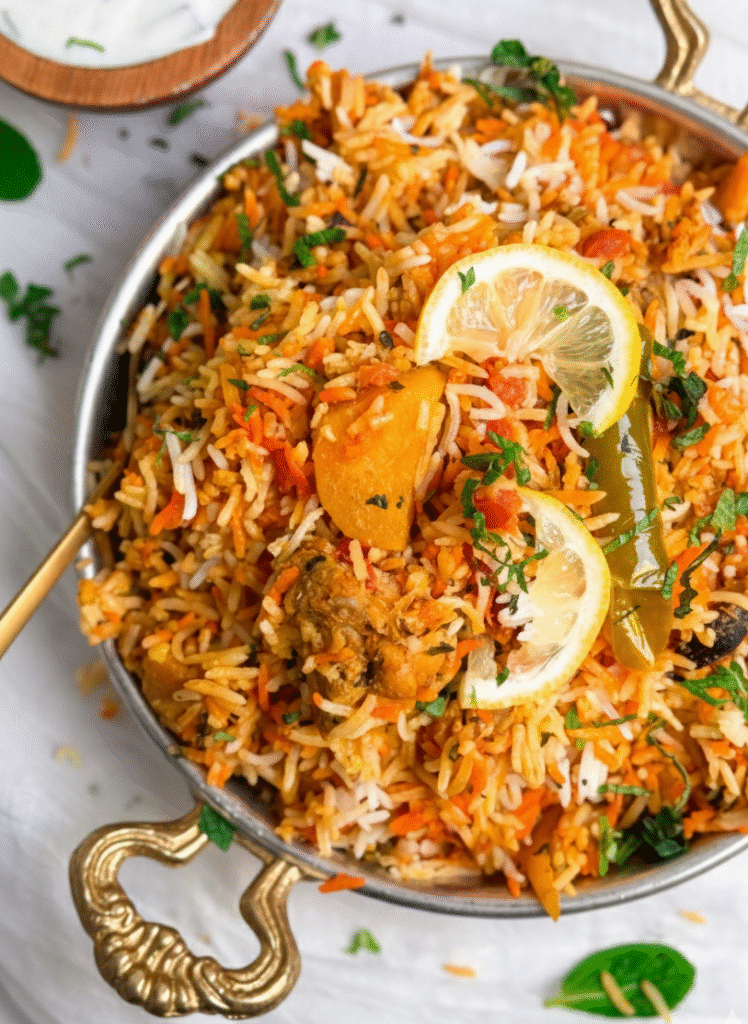
Pakistani food culture reflects the country’s regional diversity and history. Every area offers unique flavors made with local spices and cooking styles. Food is not just a meal here; it is part of daily life and social bonding.
When I explore traditional Pakistani cuisine, I find rich dishes like biryani, karahi, and lentils served with fresh bread. Street food also plays a big role, offering quick and tasty options that locals love. These foods show creativity and tradition.
From family dinners to festival feasts, food represents hospitality and warmth. This strong food culture adds depth to Pakistan’s cultural identity.
Arts and Handicrafts of Pakistan
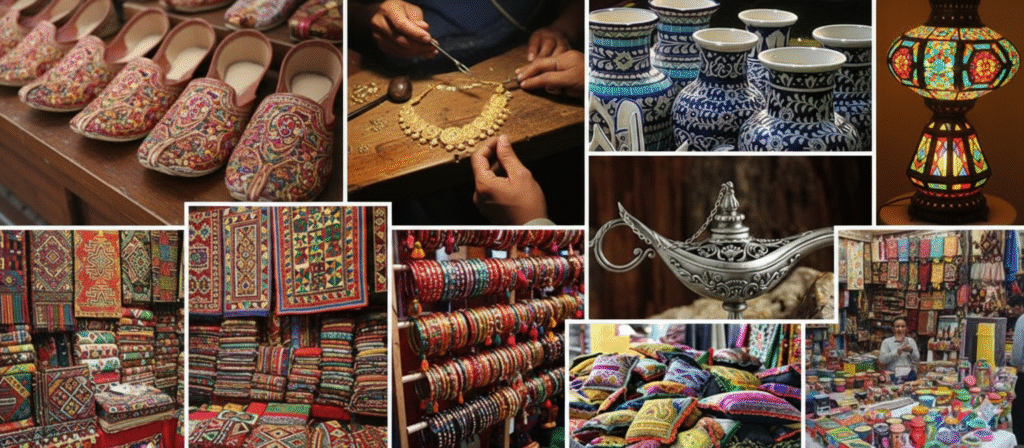
Pakistani arts and crafts reflect deep cultural roots and skilled craftsmanship. These creative forms have been passed down through generations. They show both tradition and personal expression in a meaningful way.
When I look at handicrafts of Pakistan, I see colorful truck art, detailed embroidery, pottery, and calligraphy. Each craft represents a region and tells a cultural story. Artisans use traditional methods that keep heritage alive.
These art forms are an important part of cultural identity. They not only support local communities but also present Pakistan’s culture to the world. This artistic legacy continues to inspire modern designs.
Modern Life and Cultural Change in Pakistan
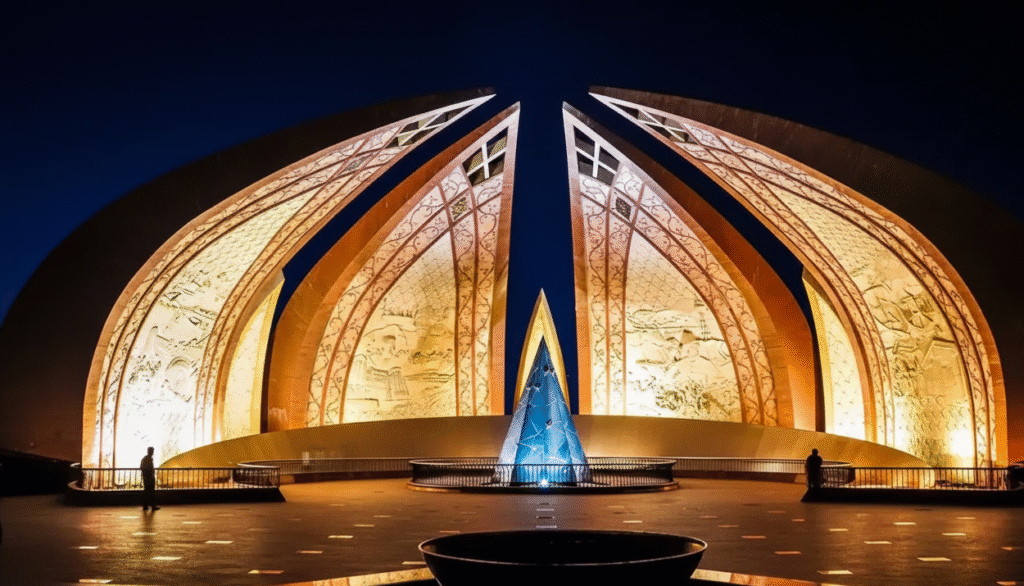
The modern Pakistani society is changing with time while still respecting traditions. Cities show fast development, new technology, and modern lifestyles. At the same time, cultural values remain important in daily life.
As I look at cultural change in Pakistan, I notice how education, media, and social platforms influence the younger generation. Fashion, music, and work culture are becoming more global. Yet, family values and customs are still respected.
There is a balance between tradition and progress that defines today’s Pakistan. People adapt to modern life without losing their cultural roots. This evolving culture shows strength and flexibility in Pakistani society.
The True Spirit of Pakistan
The cultural diversity of Pakistan is its greatest strength. Different regions, languages, and traditions exist side by side. This variety creates a colorful and meaningful national identity.
When I reflect on Pakistani cultural values, I see respect, hospitality, and strong family bonds shared by all communities. Even with different lifestyles, people support each other in times of joy and hardship. This shared mindset builds unity.
Pakistan’s culture grows stronger through diversity. Traditions continue while society moves forward together. This harmony shows the true spirit of Pakistan and its people.
National and Religious Identity in Pakistani Culture
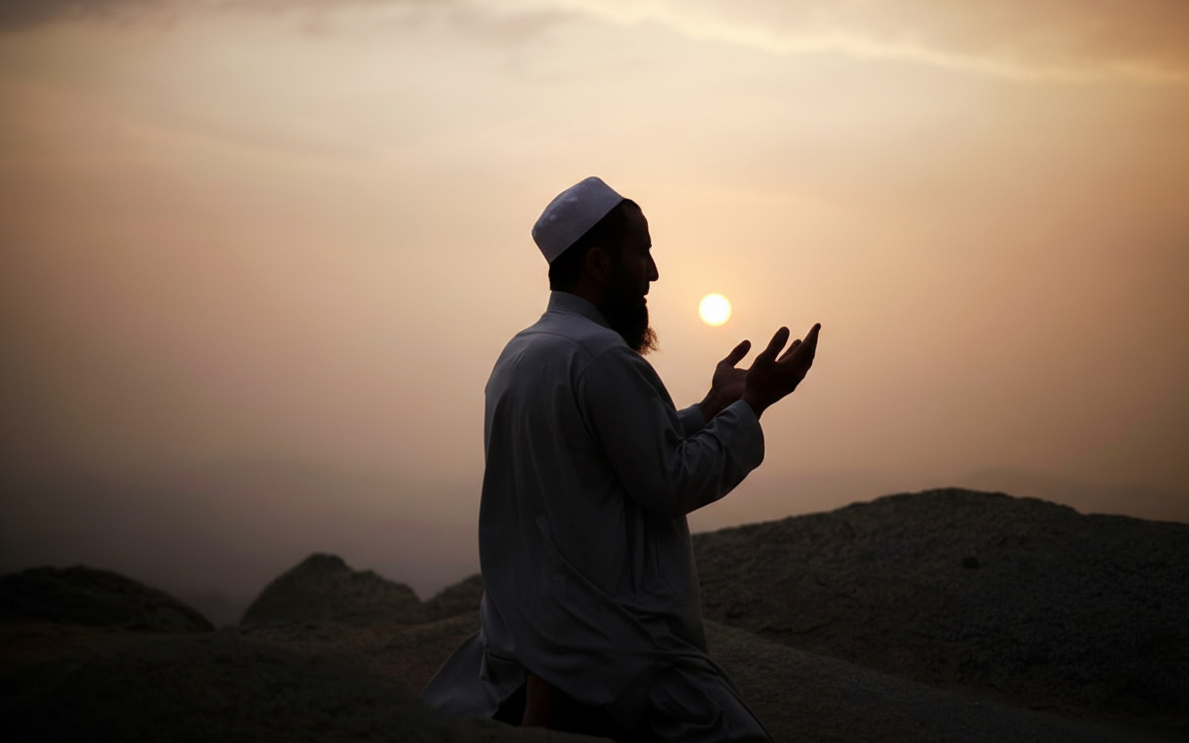
Pakistani national identity is a mix of faith, history, and shared values. Religion plays an important role in shaping social behavior and moral thinking. These elements connect people across different regions.
In Pakistan, the Islamic teachings influence daily routines, celebrations, and community support. Mosques, prayers, and religious gatherings strengthen unity and discipline. Faith guides both personal and social life.
National pride grows through cultural and religious harmony. Events like Independence Day remind people of shared struggles and achievements. This strong identity keeps Pakistan united as a nation.
Preserving Cultural Heritage for Future Generations
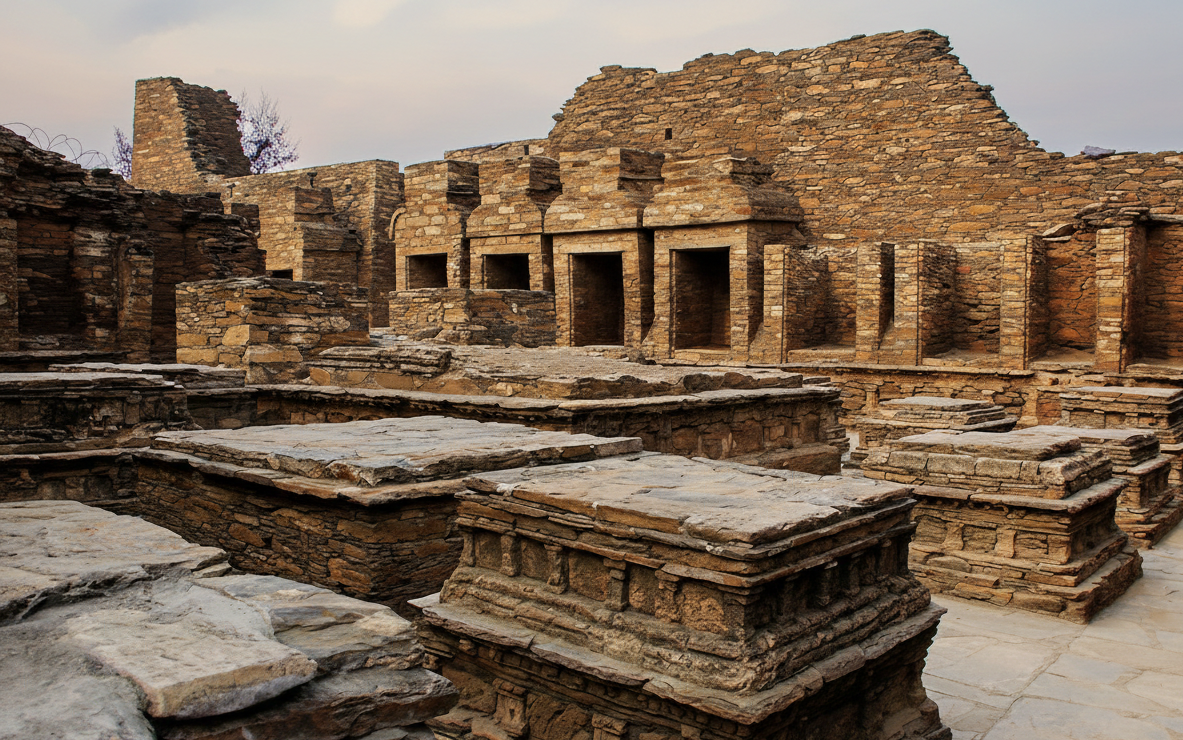
The cultural heritage of Pakistan needs care and protection to survive. Old traditions, historical sites, and local customs connect us to our past. Without preservation, these valuable elements may fade with time.
When I think about protecting Pakistani culture, I see the role of education, museums, and cultural events. Teaching young people about traditions helps keep heritage alive. Community efforts also support this goal.
By respecting traditions while accepting change, Pakistan can protect its identity. This balance will allow future generations to understand and value their cultural roots.
The Global Influence of Pakistani Culture
Pakistani culture worldwide is gaining recognition through food, music, and fashion. People living abroad proudly share their traditions with others. This helps spread a positive image of Pakistan globally.
When I look at the Pakistani diaspora, I see how cultural festivals, restaurants, and community events keep traditions alive. Pakistani music, dramas, and clothing styles are also becoming popular in many countries. These elements connect people across borders.
The cultural exchange strengthens Pakistan’s global presence. By sharing traditions and values, Pakistani culture continues to grow beyond national boundaries. This global influence reflects pride and cultural confidence.
Conclusion
Pakistani traditions and values reflect unity among different regions and communities. Shared beliefs, respect, and hospitality connect people across the country. These values remain central to society.
Pakistan’s culture will surely continue to evolve without losing its roots. By honoring heritage and accepting progress, the nation preserves its true spirit. This lasting culture defines Pakistan on both local and global levels.
FAQ
1. What is the culture of Pakistan known for?
The culture of Pakistan is known for its strong family values, religious traditions, diverse ethnic groups, colorful festivals, and rich food culture.
2. How many ethnic groups are there in Pakistan?
Pakistan has several ethnic groups, including Punjabi, Sindhi, Pashtun, Balochi, Pahari, and Kalashi, each with unique traditions and languages.
3. What are the main festivals celebrated in Pakistan?
Major festivals include Eid-ul-Fitr, Eid-ul-Adha, Ramadan, Mawlid-un-Nabi, and Independence Day on 14 August.
4. What languages are commonly spoken in Pakistan?
Urdu is the national language, while Punjabi, Sindhi, Pashto, Balochi, and other regional languages are widely spoken.
5. Why is food important in Pakistani culture?
Food plays a key role in Pakistani culture by bringing families together and reflecting regional traditions through diverse flavors and cooking styles.