Spice in South Asian Food
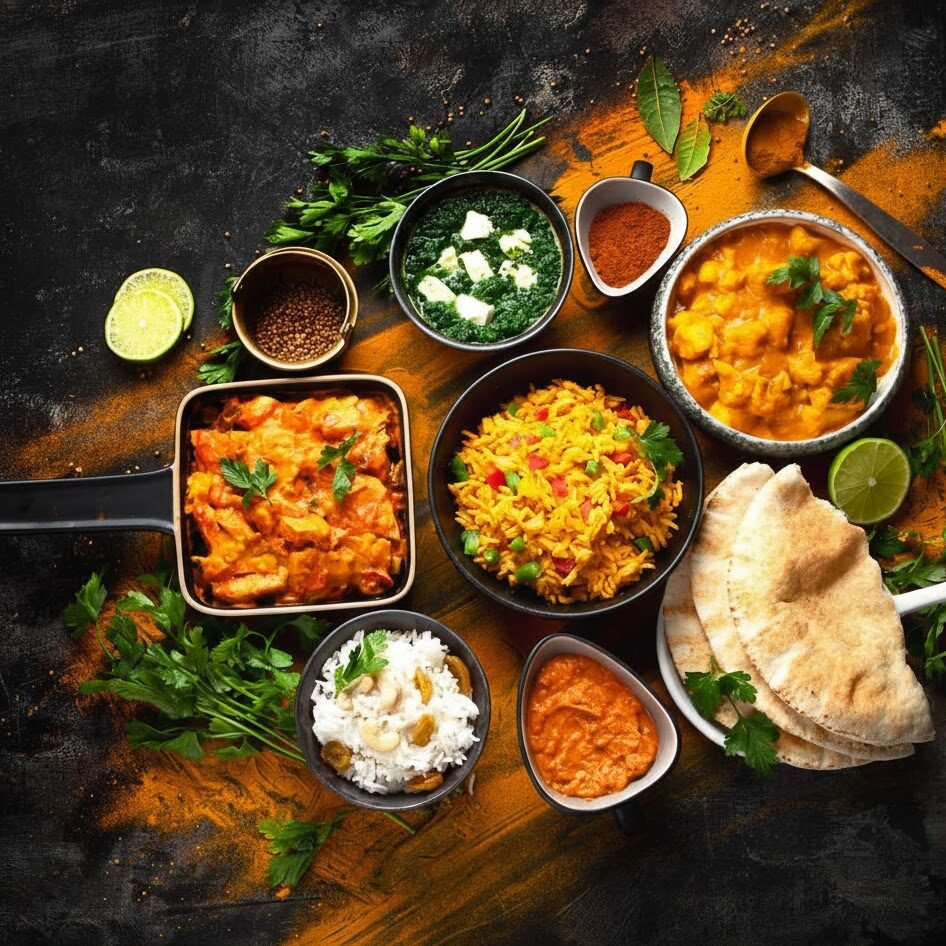
Across the world, South Asian cuisine is famous for its bold flavors and strong heat level. Many people connect Indian and Pakistani food with spicy curries, chili-based dishes, and rich masala blends. This spicy reputation makes the region stand out in global food culture.
Interestingly, the use of aromatic spices like red chili, turmeric, cumin, and garam masala creates deep flavor layers. These ingredients not only add heat but also build complex taste in traditional recipes. Such bold and spicy cuisine attracts food lovers who enjoy intense flavors.
Unlike many other cuisines, South Asian food balances heat with fragrance and texture. Chefs carefully mix spice blends to enhance both aroma and taste. As a result, spicy dishes become flavorful, not just hot.
Historical Roots of Spices in South Asia
For centuries, South Asia played a key role in the ancient spice trade. Traders from Europe and the Middle East traveled long distances to buy black pepper, cardamom, and cinnamon. This spice history shaped the region’s strong connection with bold cooking.
During the Mughal era, royal kitchens improved curry recipes with rich masalas and layered flavors. Later, colonial influence spread South Asian spices across the world. These historical changes strengthened the identity of spicy South Asian cuisine.
Because of this deep history, spices became a daily part of traditional cooking. Families passed down recipes filled with chili, ginger, and garlic. Over time, spicy food turned into a cultural symbol of the region.
How Hot Weather Influences Spicy Food?
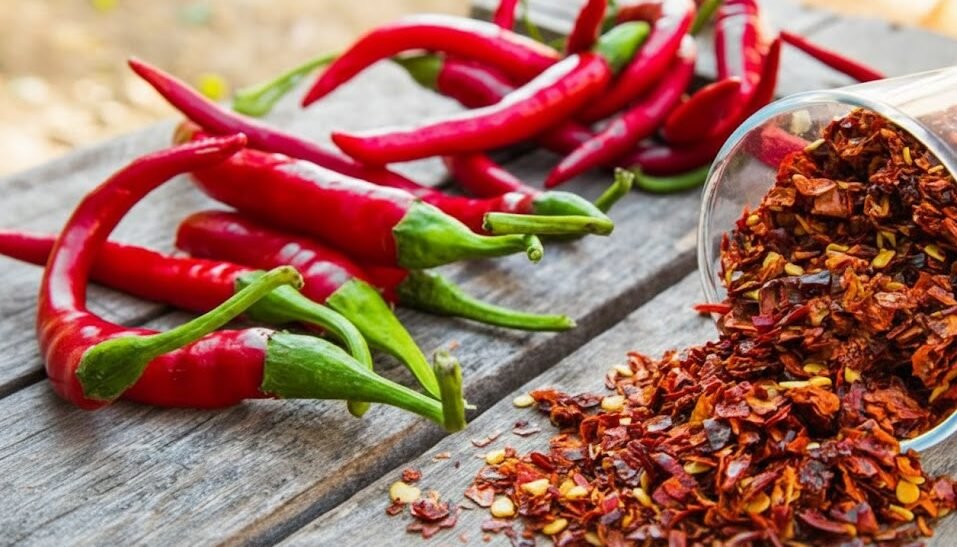
Because South Asia has a tropical climate, people use strong spices in daily cooking. Hot weather increases the risk of food spoilage, so cooks add chili, turmeric, and garlic for natural food preservation. These spices help protect food and improve safety in warm regions.
In many areas, high temperatures also affect eating habits and flavor choices. Capsaicin in chili peppers causes sweating, which helps cool the body naturally. This body-cooling effect makes spicy food suitable for humid and hot climates.
Geography also provides easy access to fresh herbs and aromatic spices. Farmers grow red chilies, coriander, and ginger locally in large amounts. As a result, regional cuisine develops bold heat and intense flavor profiles.
The Science Behind Spicy Food and Capsaicin
Scientifically, capsaicin gives chili peppers their heat sensation. This compound activates pain receptors in the mouth and creates a burning feeling. The brain responds by releasing endorphins, which improve mood and create pleasure.
Over time, regular consumption builds spice tolerance in many people. The body adapts to higher Scoville heat levels and reduces discomfort. This explains why South Asians often handle very spicy dishes easily.
Interestingly, spicy food also supports metabolism and digestion. Capsaicin increases calorie burning and improves blood circulation. These health benefits make spicy cuisine both exciting and functional.
Cultural Love for Bold and Layered Flavors
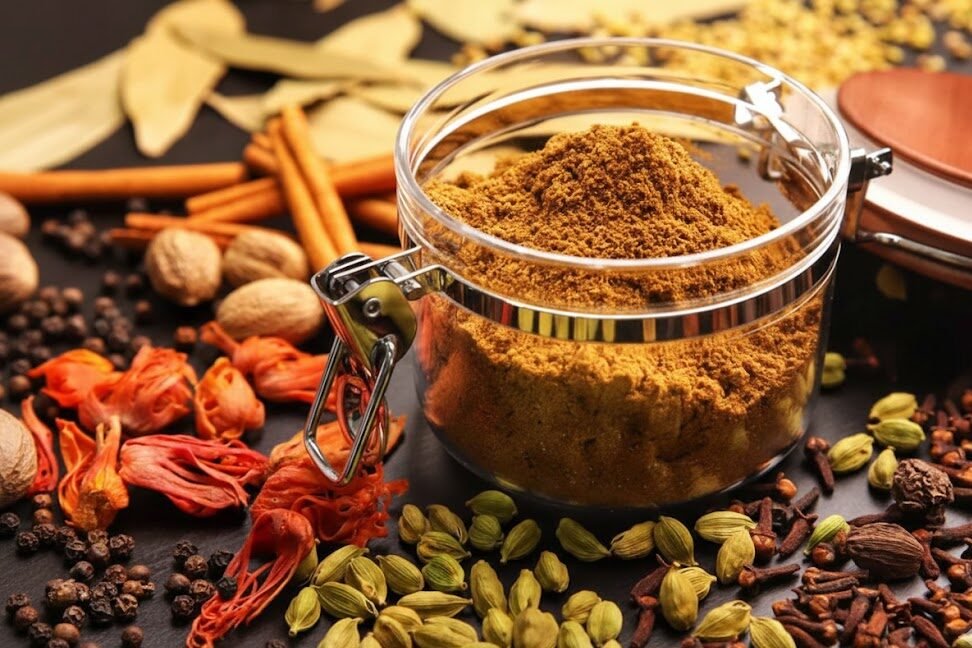
Traditionally, South Asian families prepare food using rich masala blends and aromatic spices. Cooks mix cumin, coriander, turmeric, and red chili to create layered flavors in every curry. This cooking style builds depth instead of simple heat.
In many homes, traditional recipes pass from one generation to another. Mothers teach spice balance, roasting techniques, and proper use of garam masala. These food traditions keep spicy cuisine strong in daily meals.
Unlike plain spicy food, South Asian dishes focus on flavor complexity. Chefs combine heat, aroma, and texture in balanced proportions. This method makes bold flavors enjoyable and memorable.
Health Benefits of Spicy South Asian Food
Research shows that spicy South Asian food offers several health benefits. Capsaicin in chili peppers boosts metabolism and supports weight management. Many traditional spices also improve digestion and gut health.
Additionally, turmeric, ginger, and garlic contain strong anti-inflammatory properties. These natural ingredients strengthen the immune system and improve blood circulation. Regular use of aromatic spices supports overall wellness.
Experts highlight that moderate spice intake may reduce certain health risks. Spices contain antioxidants that fight harmful bacteria in the body. This functional use of spices makes South Asian cuisine both flavorful and beneficial.
How South Asian Spice Differs from Other Global Cuisines?
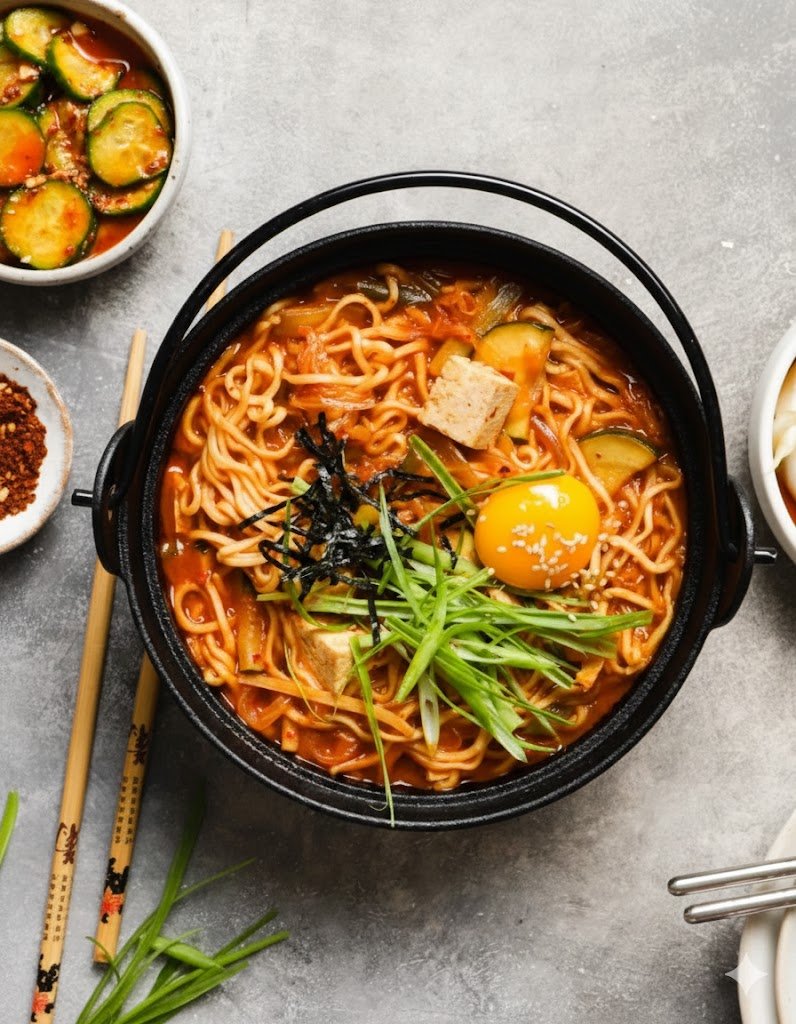
Globally, spicy food appears in many cultures, but the spice style changes by region. South Asian cuisine uses layered masalas, while Chinese Sichuan food focuses on numbing heat from Sichuan peppercorns. These differences create unique spicy experiences.
Meanwhile, Korean dishes like Buldak and Kimchi Jjigae rely on fermented chili paste for deep heat. Thai food, such as Tom Yum and Som Tam, mixes spice with sour and sweet flavors. Each cuisine balances heat differently.
Unlike extreme chili challenges using Carolina Reaper, South Asian food blends heat with aroma. Spices work together instead of overpowering the dish. This balance separates South Asian spicy cuisine from others.
Is South Asian Food the Spiciest in the World?
Debates often compare South Asian food with other fiery cuisines. Dishes like Phaal curry and Laal Maas rank high on heat scales. However, spice level alone does not define the cuisine.
Rather than pure heat, South Asian cooking focuses on flavor depth and complexity. Masala blends soften the burn and enhance taste. This balance makes spicy dishes more enjoyable.
Ultimately, spice tolerance depends on personal experience and culture. People raised on spicy food handle higher heat easily. This habit strengthens the image of South Asia as a spicy food region.
Regional Examples of South Asian Spicy Dishes
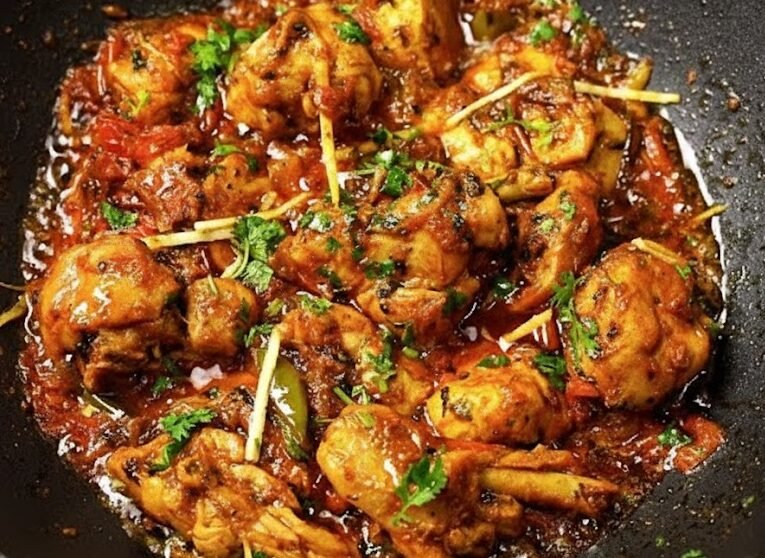
Across India and Pakistan, many regional specialties feature extreme levels of spice. Phaal curry, Laal Maas, and Andhra chilli chicken use large amounts of red chili and strong masalas. These dishes rank among the hottest curry options.
Meanwhile, Rogan Josh and Dhaba chicken karahi show how spices create rich and deep flavor. Goan Vindaloo blends vinegar, garlic, and chili for a sharp, spicy flavor. Each region adds its own cooking style and heat level.
Certain areas prefer smoky tandoori chicken or creamy makhni chicken with moderate spice. This variety proves that South Asian cuisine offers both fiery and balanced dishes. Regional diversity strengthens its global spicy reputation.
Are All South Asian Dishes Extremely Spicy?
Contrary to popular belief, not every South Asian dish contains extreme heat. Many recipes offer mild curry options with balanced spice levels. Creamy makhni chicken and tandoori chicken provide rich flavor without intense burn.
Some households adjust chili quantity based on personal spice tolerance. Cooks control the heat level by reducing red chili powder or adding yogurt and cream. This flexibility allows everyone to enjoy traditional meals.
Therefore, South Asian cuisine focuses on flavor balance rather than only heat intensity. Chefs combine mild, medium, and hot dishes in daily cooking. This diversity proves that spicy food does not always mean overpowering heat.
The Role of Street Food in Spreading Spicy Culture
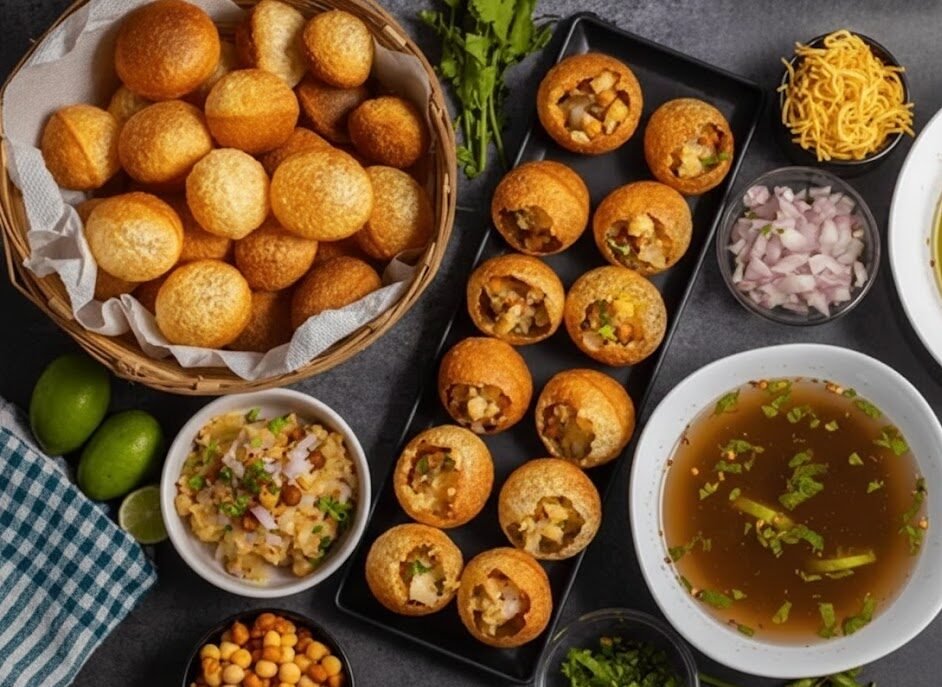
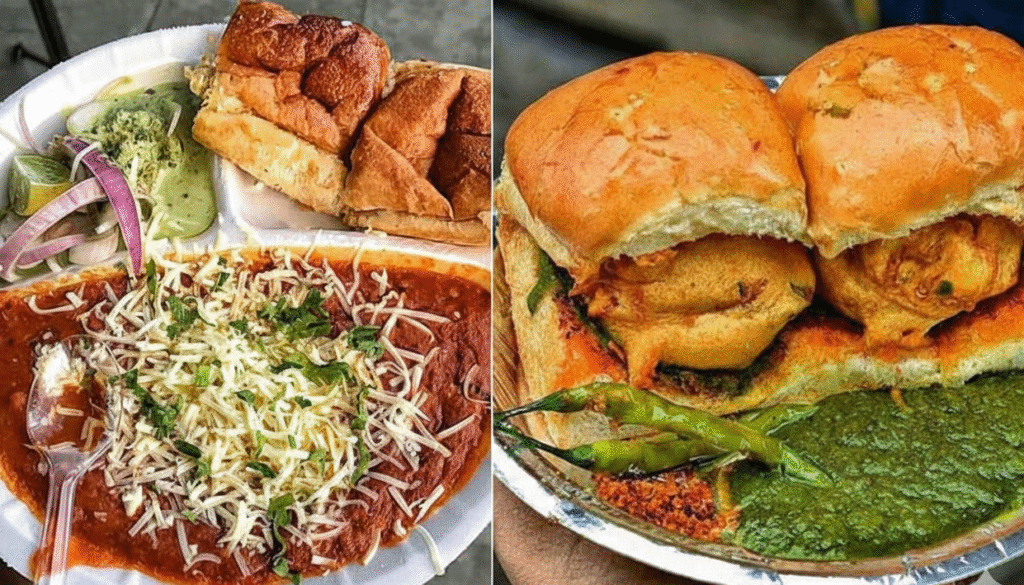
Bustling street markets highlight the popularity of spicy street food across South Asia. Vendors serve chaat, samosas, gol gappy, BBQ, and spicy bun kabab with tangy chutneys. These quick bites deliver strong flavor and instant heat.
Street chefs actively use red chili powder, green chilies, and spicy sauces. They adjust the spice level according to customer preference. This flexibility makes street food both exciting and customizable.
Urban food culture spreads these bold flavors to new generations. Young people enjoy fiery snacks as part of modern food trends. As a result, spicy cuisine continues to grow in popularity.
Spice Tolerance and Daily Eating Habits
Over time, regular exposure builds strong spice tolerance in many South Asians. Children grow up eating chili-based curries, spicy snacks, and flavorful street food. This daily habit trains taste buds to handle higher heat levels.
Gradually, the body adapts to capsaicin and reduces the burning sensation. People who eat mild food may find South Asian dishes very hot at first. However, frequent consumption increases tolerance naturally.
Social gatherings also encourage sharing bold and spicy meals. Families prepare biryani, karahi, and spicy lentil dishes during special occasions. These habits strengthen the love for heat in everyday cuisine.
Conclusion
Overall, climate, history, and culture shape the spicy nature of South Asian cuisine. The tropical weather supports the use of chili peppers and natural preservatives. Ancient spice trade routes also influenced cooking traditions. Finally, South Asian food stands out because it combines bold heat with complex taste.
FAQ
1. Why is South Asian food so spicy compared to other cuisines?
South Asian food uses bold spices, chili peppers, and masala blends because of the climate, history, and cultural traditions. The tropical weather and ancient spice trade influenced cooking styles.
2. Is all South Asian food extremely spicy?
No, many dishes like makhni chicken and tandoori chicken offer mild and balanced flavors. Spice level can be adjusted according to taste.
3. What makes South Asian spice different from Sichuan or Thai spice?
South Asian cuisine focuses on layered masalas and aromatic spices. Sichuan uses numbing peppercorns, while Thai food mixes sweet, sour, and spicy flavors.
4. Does spicy South Asian food have health benefits?
Yes, spices like turmeric, ginger, and chili contain antioxidants and anti-inflammatory properties. Capsaicin may also boost metabolism and digestion.
5. What is the spiciest South Asian dish?
Phaal curry and Laal Maas are considered among the hottest South Asian dishes. Their high chili content gives them intense heat.