
The Magic of Plovdiv, Bulgaria
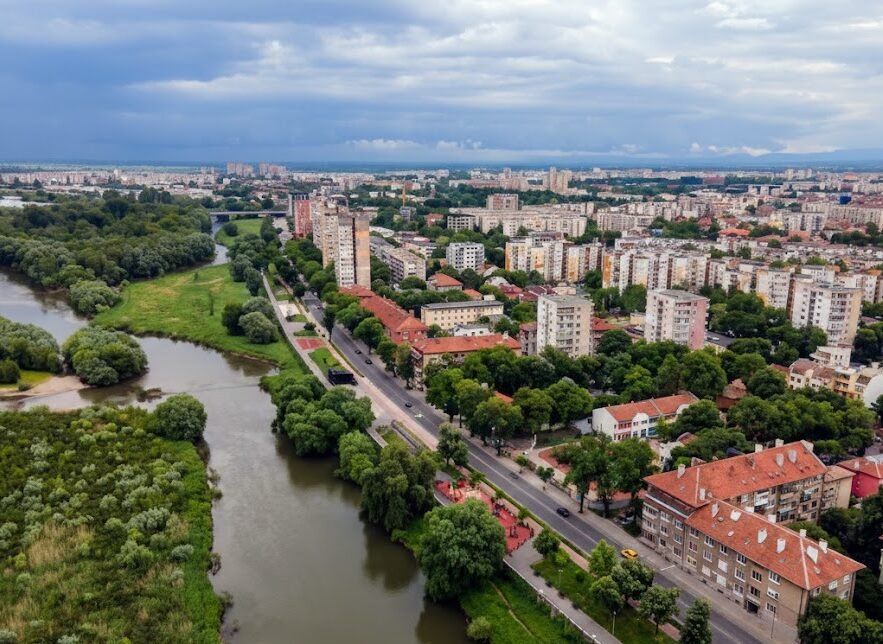
Nestled in southern Bulgaria, Plovdiv stands as one of the oldest living cities in Europe. This Balkan destination blends Roman ruins, Ottoman heritage, and colorful Old Town streets. Travelers admire its rich history, cultural landmarks, and vibrant city atmosphere.
Unlike many crowded European cities, Plovdiv offers a relaxed travel experience with deep historical roots. The city preserves ancient amphitheaters, cobblestone lanes, and traditional Bulgarian Revival houses. Visitors often describe it as a hidden gem in Eastern Europe.
Beyond its historic charm, Plovdiv attracts culture lovers, photographers, and budget travelers. The mix of art districts, scenic hills, and archaeological sites creates a unique city break. Exploring Bulgaria’s cultural capital reveals the true magic of the Balkans.
A Walk Through Plovdiv Old Town
Colorful houses line the narrow streets of Plovdiv Old Town, creating a charming historic atmosphere. Visitors admire wooden balconies, painted facades, and stone pathways. This area reflects classic Bulgarian Revival architecture and rich cultural heritage.
Hidden behind ancient walls stands Hisar Kapia, a medieval gate that connects past and present. Travelers walk through its arch and explore quiet lanes filled with history. The landmark highlights Plovdiv Old Town’s unique Ottoman and Roman influences.
Elegant mansions such as the Balabanov House and the Nedkovich House showcase traditional interiors and fine art. These heritage houses display carved ceilings, antique furniture, and cultural exhibits. Such sites preserve the spirit of historic Plovdiv attractions.
Roman Heritage in the Heart of the City
Overlooking the city, the impressive Ancient Theatre of Philippopolis stands as a symbol of Roman engineering. Visitors attend concerts and admire panoramic views from its marble seats. This landmark remains one of the best-preserved Roman ruins in Bulgaria.
Beneath the busy center lies the remarkable Ancient Stadium of Philippopolis, partly visible among modern shops. Tourists explore its underground sections and learn about gladiator games. The site reflects the deep Philippopolis history rooted in ancient times.
Remarkable mosaics decorate the floors of the Bishop’s Basilica of Philippopolis. Archaeologists uncovered vibrant patterns that reveal early Christian art. This basilica strengthens Plovdiv’s reputation as a major archaeological site in Europe.
Museums That Tell Plovdiv’s Cultural Story
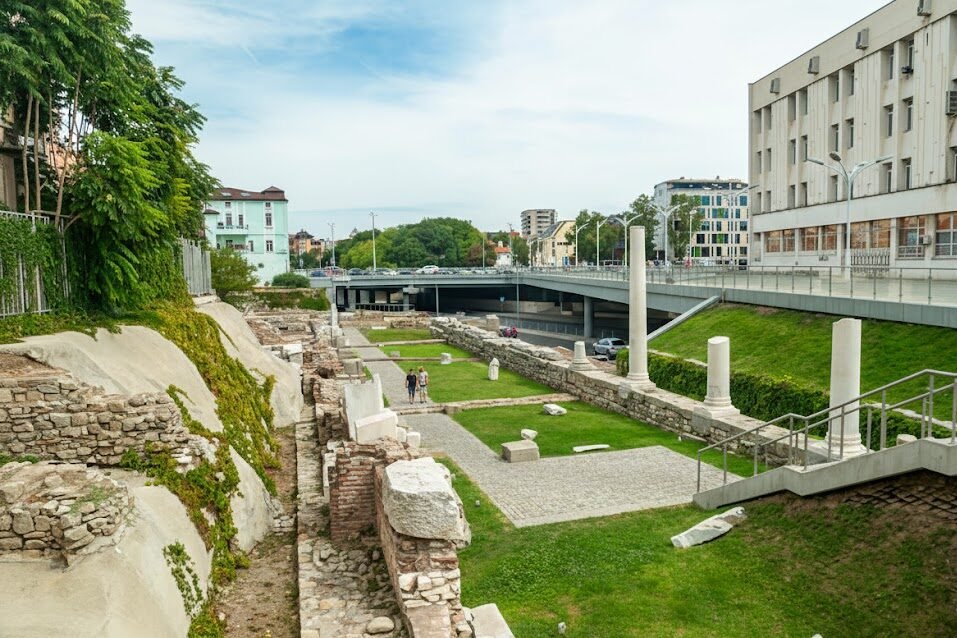
Inside the beautifully restored Plovdiv Regional Ethnographic Museum, visitors discover traditional costumes and handmade crafts. The museum displays rich collections that explain Bulgarian culture and folklore. Detailed exhibits present daily life from past centuries.
Traditional art and household items fill the historic halls of the Ethnographic Museum. Guests observe wooden carvings, woven textiles, and ceremonial objects. These displays highlight authentic Plovdiv museums and heritage collections.
Historic architecture adds charm to the museum experience in Old Town. The building itself reflects classic National Revival style design. Cultural travelers gain deeper insight into Bulgaria’s traditions and identity.
Spiritual Landmarks and Religious Heritage
Beautiful frescoes decorate the walls of St. Konstantin & Elena Church. Visitors admire colorful icons and peaceful interiors. This sacred site represents important Orthodox churches in Plovdiv.
Standing in the city center, the Dzhumaya Mosque reflects Ottoman architectural influence. Worshippers and tourists observe its elegant arches and historic design. The mosque shows the city’s strong cultural diversity in Bulgaria.
Religious harmony shapes the atmosphere of Plovdiv’s old streets. Churches and mosques stand close to each other without conflict. Such landmarks demonstrate the city’s rich multicultural heritage.
Scenic Views and Sunset Spots
Rising above the city, Nebet Tepe offers breathtaking panoramic views. Visitors climb ancient ruins and enjoy wide landscapes. The hill remains one of the top Plovdiv viewpoints.
Golden sunlight covers the skyline at Danov Hill during evening hours. Travelers gather here to watch a peaceful sunset over the city. This spot attracts photographers seeking the best sunset places in Plovdiv.
Surrounded by natural beauty, the famous seven hills shape the city’s identity. Each hill provides walking trails and scenic outlooks. These elevated areas create unforgettable Balkan travel experiences.
Creative Energy and Night Lights
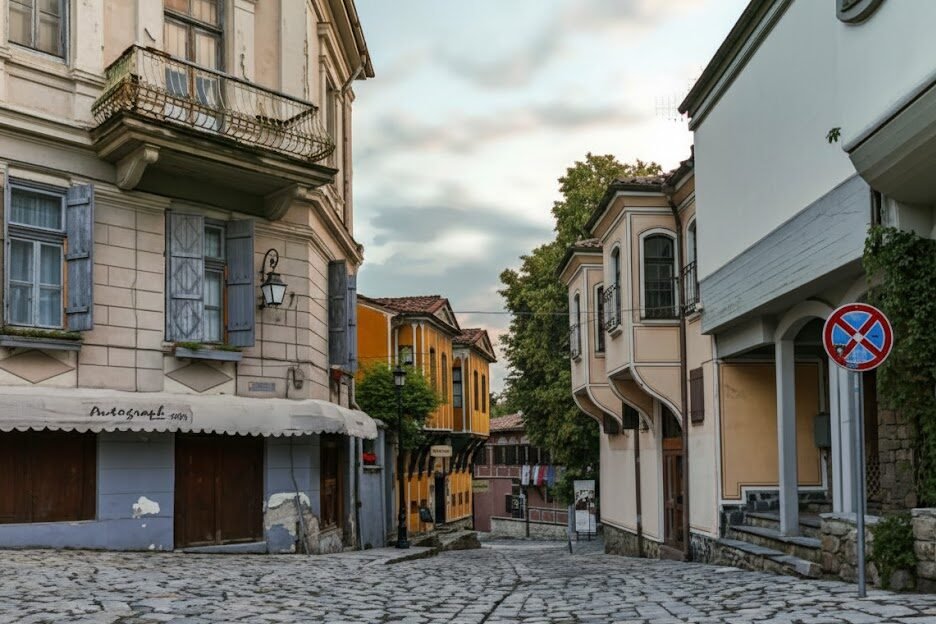
Vibrant streets define the artistic spirit of Kapana in Plovdiv. Small galleries, design shops, and cozy cafés attract young travelers. This area stands out as the city’s famous creative district in Bulgaria.
During evening hours, Lights in Kapana transform the neighborhood into a colorful scene. Restaurants fill with guests while music flows from open doors. The lively setting boosts Plovdiv’s reputation for nightlife and cultural festivals.
Independent artists display street art and handmade products across the quarter. Visitors explore narrow lanes filled with murals and modern design. Kapana reflects the growing contemporary art scene in Plovdiv.
Green Spaces and Relaxing City Parks
Peaceful pathways stretch across Tsar Simeon Garden in the city center. Families and couples enjoy fountains, flowers, and shaded benches. The park offers one of the best green spaces in Plovdiv.
Nearby, locals gather in Tsar Simeon Park for daily walks and social meetings. Children play while visitors relax under tall trees. This public area highlights everyday local life in Bulgaria.
Along the calm waters of the Rowing Channel, people jog and cycle at sunset. Wooden pontoons create scenic spots for rest and photos. The area provides refreshing outdoor activities for nature lovers in Plovdiv, Bulgaria.
Streets That Capture Local Life
Charming houses line Veliko Tarnovo Street with classic Balkan architecture. Visitors walk slowly and observe authentic neighborhood scenes. The street reveals true Plovdiv city charm.
Daily routines unfold in small shops and family cafés across the district. Residents greet neighbors and maintain strong community ties. Such moments show the warm spirit of Bulgarian hospitality.
Historic corners blend tradition with modern rhythm throughout the area. Travelers notice how past and present coexist naturally. These streets strengthen Plovdiv’s image as an underrated European destination.
Day Trips from Plovdiv for History and Nature
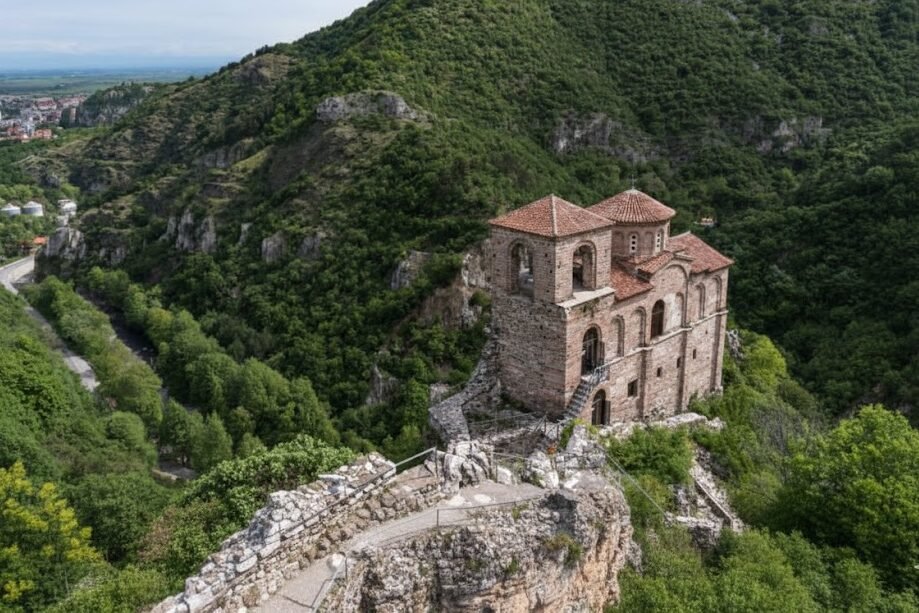
Majestic ruins crown the hill at Asenovgrad Fortress near the city. Visitors explore stone walls and admire mountain views. The fortress ranks among the best day trips from Plovdiv, Bulgaria.
Natural wonders appear at the Marvelous Bridges in the Rhodope Mountains. Massive rock arches impress hikers and photographers. This site attracts travelers seeking Bulgaria’s natural attractions.
Traditional houses welcome guests in the quiet village of Kosovo. Stone streets and wooden homes preserve rural character. The village offers an authentic escape into the Rhodope cultural heritage.
Culture, Creativity, and Daily Life
Friendly locals shape the warm atmosphere of Plovdiv. Residents welcome visitors with smiles and helpful advice. Their attitude strengthens the city’s image as a hub of Bulgarian hospitality.
Artists, musicians, and students bring fresh energy to the streets. Creative communities organize events, exhibitions, and cultural festivals. This lively spirit supports Plovdiv’s role as a leading cultural capital in Europe.
Generations live side by side in historic neighborhoods and modern districts. Families protect traditions while embracing new ideas. Such a balance defines authentic local life in Plovdiv.
A City Shaped by Layers of History
Ancient civilizations left strong marks across the city landscape. Roman, Ottoman, and Bulgarian influences appear in buildings and monuments. These layers create a powerful sense of historic heritage in Bulgaria.
Architectural styles mix naturally throughout Old Town and central areas. Stone ruins stand close to colorful Revival houses. This blend highlights Plovdiv as one of the oldest continuously inhabited cities in Europe.
Cultural landmarks continue to host concerts, exhibitions, and public events. Authorities preserve sites while promoting tourism development. The city protects its legacy as a major archaeological destination in the Balkans.
Why Plovdiv Is a Must-Visit European Destination?
Unlike crowded capitals, Plovdiv offers a relaxed and walkable atmosphere. Visitors explore major attractions within short distances. The compact layout supports smooth city break travel in Europe.
Affordable prices make the destination attractive for budget travelers. Restaurants, museums, and accommodations remain reasonably priced. This advantage positions Plovdiv as a top budget-friendly European city.
Rich experiences combine history, art, and nature in one place. Travelers enjoy Roman ruins, green parks, and creative districts. Such diversity confirms the lasting magic of Plovdiv, Bulgaria.
Conclusion
Plovdiv blends ancient history, colorful Old Town streets, and vibrant creative districts into one unforgettable destination. Roman ruins, cultural landmarks, scenic hills, and lively neighborhoods create diverse travel experiences in every season.
The city offers affordable prices, rich heritage, and authentic Bulgarian hospitality. From historic architecture to modern art spaces, every corner reflects timeless charm. The magic of Plovdiv, Bulgaria, makes it one of the most underrated European cities worth exploring.
FAQ
1. Why is Plovdiv famous?
Plovdiv is famous for its Roman ruins, colorful Old Town, and landmarks like the Ancient Theatre of Philippopolis. It is one of the oldest continuously inhabited cities in Europe.
2. Is Plovdiv worth visiting?
Yes, Plovdiv offers history, culture, art districts, scenic hills, and affordable travel options. It is perfect for a relaxed European city break.
3. How many days are enough for Plovdiv?
Two to three days are enough to explore major attractions, museums, the Kapana district, and nearby day trips.
4. What are the best things to do in Plovdiv?
Visitors can explore Old Town, visit Roman ruins, relax in Tsar Simeon Garden, and enjoy nightlife in Kapana.
5. When is the best time to visit Plovdiv?
Spring and autumn offer mild weather and fewer crowds, making them ideal seasons for sightseeing.