
Hot vs Cold Coffee
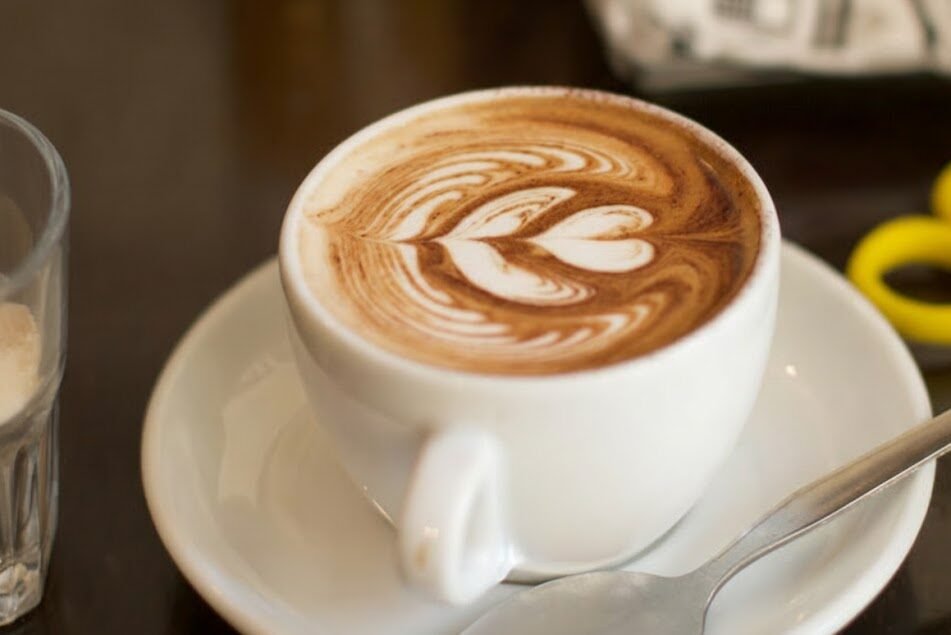
Coffee culture continues to grow worldwide as people explore different brewing styles and flavors. Black coffee and milk coffee remain the most discussed options among coffee lovers today. Across cafés and homes, coffee choices reflect lifestyle, health goals, and personal taste.
Some prefer the bold flavor of black coffee, while others enjoy creamy milk coffee drinks. Globally, changing habits influence how coffee is consumed every day. Hot coffee, cold coffee, drip coffee, and espresso-based drinks shape modern coffee culture.
Black Coffee
Black coffee is made by brewing coffee beans with hot water only. This drink contains no milk, sugar, or cream additives. Naturally, black coffee highlights the original flavor of coffee beans.
The taste often feels bold, bitter, and rich in aroma. Often, black coffee supports low-calorie and healthy lifestyles. It provides energy through caffeine without added fats.
Americano
This is a coffee drink made by adding hot water to a shot of espresso. This method creates a lighter, smoother coffee while keeping the espresso flavor. Typically, an Americano has a mild aroma and medium strength.
It appeals to those who enjoy the espresso taste without strong intensity. Often, this drink is served hot, but it can also be iced. Its popularity continues in cafés worldwide due to its balance of flavor and caffeine.
Drip Coffee
It describes a brewing method where hot water slowly passes through ground coffee. This process uses paper or metal filters to extract flavor evenly. Commonly, drip coffee is prepared using automatic coffee makers or manual pour-over tools.
The method produces a clean and smooth cup with balanced strength. Because of its mild taste, drip coffee appeals to a wide audience. It contains steady caffeine levels without extreme bitterness.
Espresso
Espresso is a concentrated coffee flavour made by forcing hot water through finely ground coffee beans. It produces a strong flavor and rich crema on top. Often, espresso serves as the base for many popular coffee drinks.
Cappuccino, latte, and macchiato all start with a shot of espresso. Coffee trends highlight espresso-based beverages as favorites in cafés worldwide. Its intense taste and aroma appeal to people who enjoy bold coffee experiences.
Differences Between Black Coffee, Americano, and Espresso
Flavor varies significantly between black coffee, Americano, and espresso. Black coffee has a bold, pure taste, Americano offers a milder espresso flavor, and espresso delivers strong, concentrated notes.
Serving size also differs among these drinks. Espresso comes in small shots, Americano in medium cups, and black coffee is often served in larger mugs. Coffee drinkers search terms such as café-style coffee and coffee servings for guidance.
Brewing method affects taste and aroma. Black coffee usually uses drip or pour-over techniques, Americano dilutes espresso with water, and espresso relies on high-pressure machines.
Black Coffee vs Milk Coffee
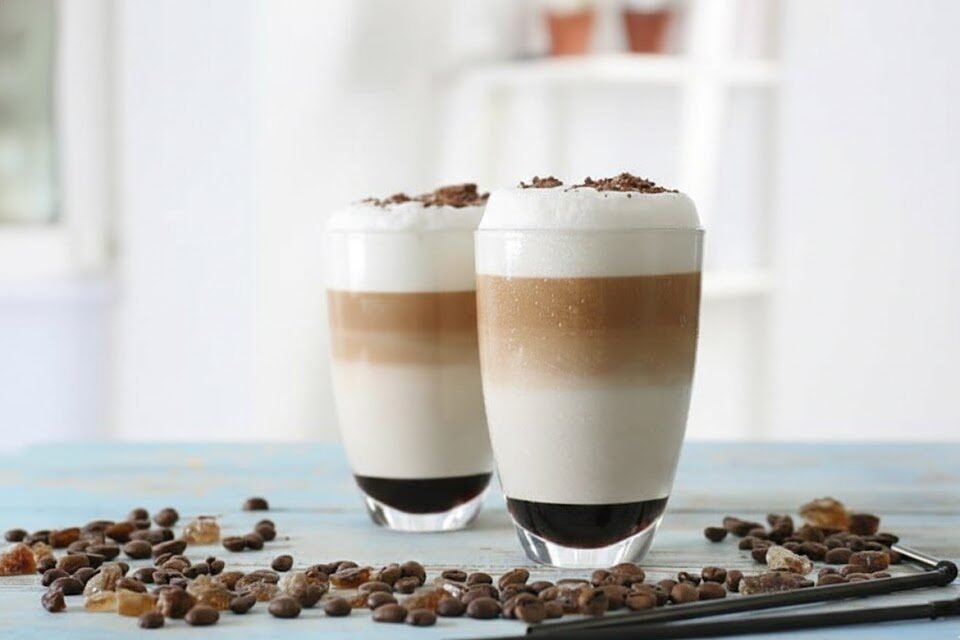
It refers to coffee prepared without milk or cream, offering a bold and pure taste. This type highlights natural coffee flavors and contains very few calories. Milk coffee combines brewed coffee with milk to create a smooth and creamy texture.
Popular options include latte, cappuccino, and café au lait. This style reduces bitterness and appeals to those who prefer mild coffee flavors. Black coffee suits people focused on caffeine and low calories, while milk coffee attracts those who enjoy comfort and richness.
How Drip Coffee Differs from Black Coffee?
Drip coffee uses a slow brewing method where water passes through coffee grounds and a filter. This creates a smooth, mild cup compared to the bold flavor of black coffee. Grinding also affects the difference between the two.
Drip coffee usually uses medium to coarse grounds, while black coffee from espresso machines uses fine grounds. Drip coffee tends to have balanced caffeine and a lighter body, while black coffee often provides a stronger, more intense flavor.
Coffee Grinding and Particle Size Differences
Grinding coffee correctly affects flavor, aroma, and brewing results. Coarse grounds are ideal for drip coffee, while fine grounds suit espresso machines. Consistency of the grind ensures even extraction and smooth taste.
Uneven particles can cause over-extraction or under-extraction, changing the flavor of the coffee. Different brewing methods require specific grind sizes. Medium-coarse grounds work for pour-over and drip, while fine grounds are necessary for strong espresso shots.
Brewing Methods and Equipment Used
Coffee brewing depends on the method and equipment chosen. Drip coffee makers, pour-over devices, and espresso machines produce different flavors and strengths. Manual brewing gives more control over taste and strength.
Pour-over and French press methods allow adjustment of water flow and steeping time. Automatic machines provide convenience for daily coffee preparation. Espresso machines and drip coffee makers ensure consistent taste with minimal effort.
Flavor and Aroma Profiles of Coffee
Aroma defines the first impression of any coffee. Drip coffee produces a smooth and mild fragrance, while black coffee offers a strong, bold scent. Taste varies with brewing methods and ingredients.
Milk coffee delivers a creamy, soft flavor, while espresso emphasizes intense, concentrated notes. Origin and roast level also affect flavor and aroma. Light roasts preserve natural bean flavors, whereas dark roasts offer smoky, rich profiles.
Popular Coffee Drinks Around the World
Espresso-based drinks dominate café menus globally. Cappuccino, latte, and macchiato are popular milk coffee options that combine espresso with steamed milk. Cold coffee drinks have grown in popularity in recent years.
Iced coffee, cold brew, and frappuccinos attract people who enjoy refreshing, chilled beverages. Specialty drinks offer unique flavors and experiences. Drinks like affogato, nitro coffee, and mocha combine coffee with desserts, cream, or flavor syrups.
Hot Coffee: Pros and Cons
Hot coffee provides warmth and comfort, making it a favorite morning beverage. It can boost energy and focus due to its caffeine content. Excessive hot coffee consumption may cause acidity or stomach discomfort.
People with sensitive digestion should monitor their intake. Temperature also affects flavour perception. Hot coffee often releases stronger aromas and richer taste compared to cold variants.
Hot Coffee vs Cold Coffee
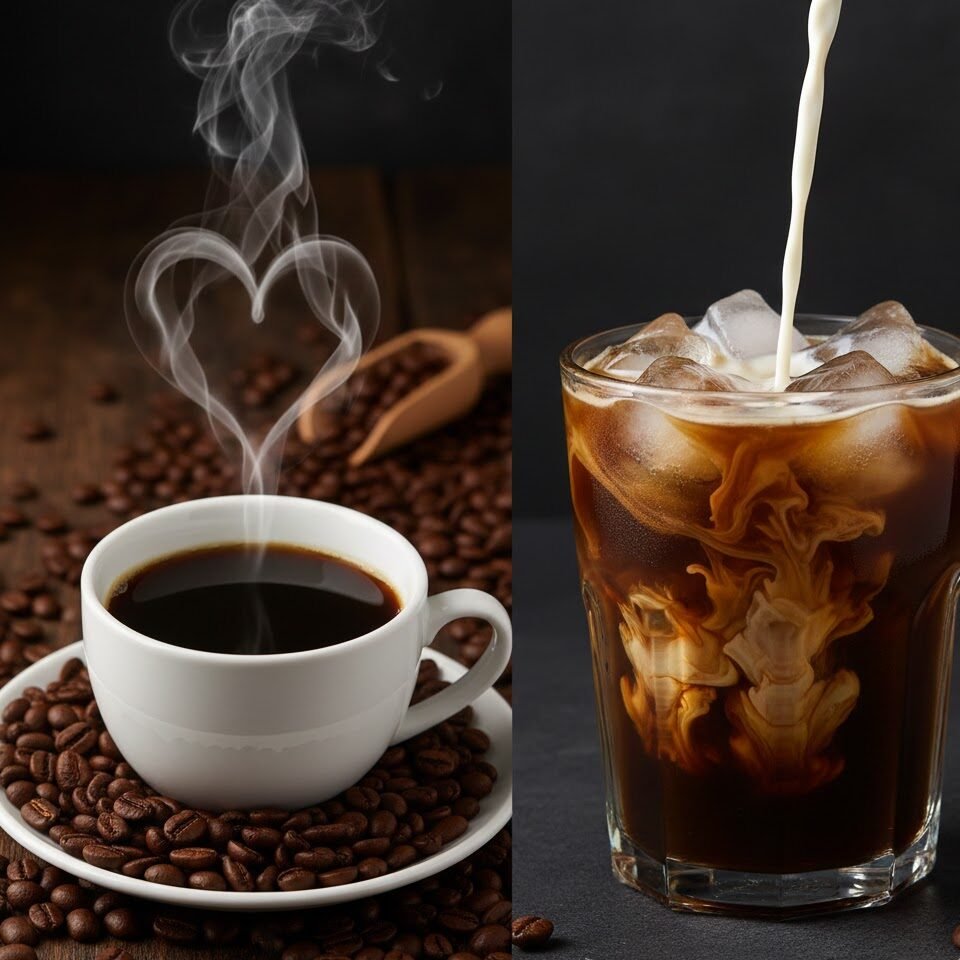
Cold coffee offers a refreshing alternative, especially during hot weather. Iced coffee, cold brew, and frappuccino are popular cold coffee drinks. Flavor and caffeine perception change between hot and cold coffee.
Hot coffee releases a strong aroma and bold taste, while cold coffee feels smoother and less bitter. Preparation methods also differ significantly. Hot coffee uses brewing techniques like drip, pour-over, or espresso.
Which Coffee Do People Love More?
The popularity of coffee varies depending on climate and lifestyle. Hot coffee remains a favorite in colder regions, while cold coffee dominates summer menus. Surveys show that taste and convenience influence coffee choices.
Cold coffee offers smooth, easy-to-drink flavors, whereas hot coffee provides bold aroma and warmth. Social media also impacts coffee popularity worldwide. Instagram-worthy cold coffee drinks attract younger audiences.
Best Countries for Coffee Lovers
Ethiopia is famous as the birthplace of coffee, offering unique Arabica flavors. Coffee culture thrives with traditional brewing and rich coffee history. Colombia and Brazil produce large quantities of high-quality coffee beans.
These countries are known for their smooth, mild, and well-balanced flavors. Italy and Vietnam attract coffee enthusiasts with unique brewing styles. Espresso, cappuccino, and Vietnamese drip coffee provide diverse experiences for global coffee lovers.
Where Coffee Comes From?
Coffee originates from tropical regions, primarily Africa, South America, and Asia. Arabica and Robusta are the two main types grown worldwide. Cultivation methods affect flavor and quality.
Arabica beans grow at high altitudes and offer mild, aromatic flavors, while Robusta beans thrive at lower altitudes with a stronger, bitter taste. Processing also plays a key role in coffee characteristics. Washed, natural, and honey-processed beans provide unique aromas and body for brewed coffee.
Common Coffee Mistakes to Avoid
Overbrewing coffee can make it taste bitter and unpleasant. Using too much or too little coffee also affects flavor and strength. Storing coffee improperly reduces freshness and aroma.
Exposure to air, heat, and moisture can ruin the quality of coffee beans. Grinding coffee at the wrong size can impact taste significantly. Coarse grounds may under-extract, while fine grounds can over-extract, changing flavor.
Conclusion
Selecting the right coffee depends on personal taste, caffeine preference, and daily routine. Factors like grind size, brewing equipment, and coffee origin further influence flavor and aroma. By understanding these details, coffee lovers can enjoy each cup to its fullest potential, whether hot or cold, simple or specialty.
FAQ
Q1: What is the main difference between black coffee and milk coffee?
Black coffee is brewed without milk, offering a bold and pure flavor, while milk coffee combines coffee with milk for a smoother, creamier taste.
Q2: Which coffee has more caffeine, black coffee or milk coffee?
Black coffee usually has higher caffeine per serving because milk dilutes the strength in milk coffee.
Q3: What is the healthiest coffee to drink?
Plain black coffee is considered healthier due to low calories and no added sugar or milk, while milk coffee adds some calories.
Q4: What is the difference between black coffee, Americano, and espresso?
Black coffee is brewed directly, Americano is espresso diluted with hot water, and espresso is a concentrated coffee shot.
Q5: Can cold coffee replace hot coffee in daily routines?
Yes, cold coffee, like iced coffee or cold brew, provides caffeine and refreshment, but hot coffee deliversa stronger aroma and flavor.
Leave a Reply