
Georgia: Top Landmark Of Tbilisi
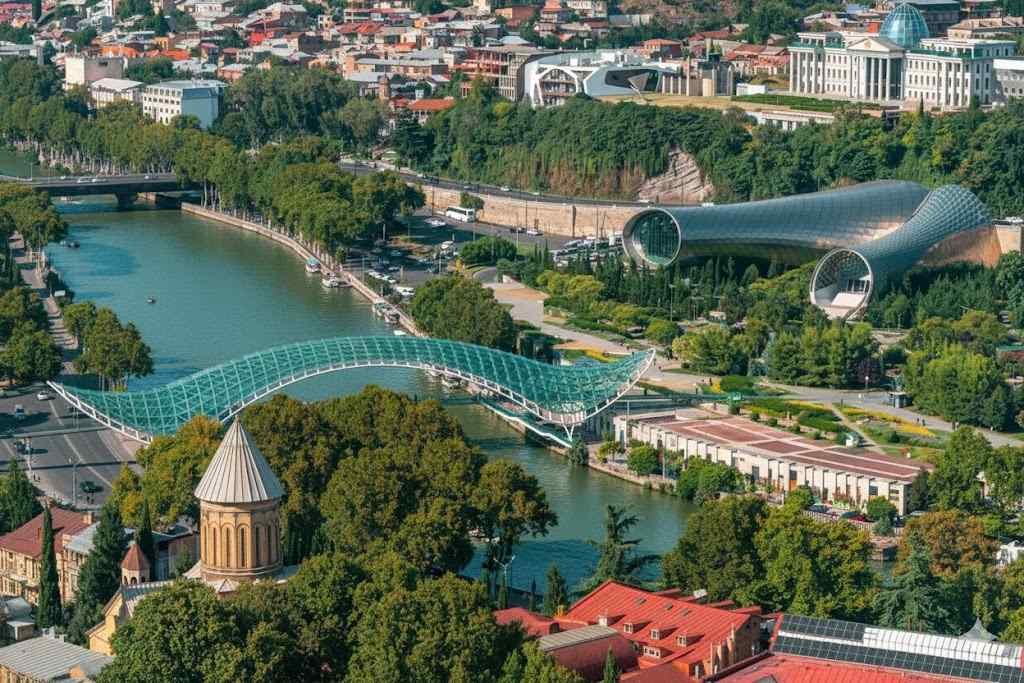
Nestled between Europe and Asia, Tbilisi stands as the vibrant capital of Georgia in the Caucasus region. The city attracts travelers with its historic landmarks, colorful balconies, and dramatic hilltop views. Many visitors include it in their Georgia travel guide because of its rich culture and scenic beauty.
Unlike many European capitals, Tbilisi blends ancient churches, Soviet-era buildings, and modern glass architecture in one skyline. The city center offers easy access to Old Town streets, sulfur baths, and panoramic viewpoints. Tourists often describe it as a cultural crossroads filled with history and charm.
Surrounded by hills and divided by the Mtkvari River, Tbilisi creates a unique landscape for sightseeing and photography. The mix of traditional Georgian heritage and modern attractions makes it ideal for a short city break. Travelers searching for top landmarks in Tbilisi quickly discover its diverse architecture and warm hospitality.
Holy Trinity Cathedral (Sameba)
Rising above the city skyline, Holy Trinity Cathedral of Tbilisi dominates as one of the largest Orthodox churches in the Caucasus. The cathedral represents Georgian faith and national identity with its golden dome and grand structure. Visitors admire its peaceful atmosphere and impressive design.
Built in the early 21st century, Sameba Cathedral combines traditional Georgian architecture with modern construction techniques. The interior features religious icons, detailed frescoes, and spacious prayer halls. Many travelers consider it a must-visit landmark in any Tbilisi travel itinerary.
From the cathedral grounds, tourists enjoy panoramic views of Tbilisi’s cityscape and surrounding hills. The location offers excellent photo opportunities, especially during sunset hours. Cultural travelers often include this Georgian Orthodox church among the top attractions in Georgia.
Narikala Fortress & Scenic Cable Car Adventure
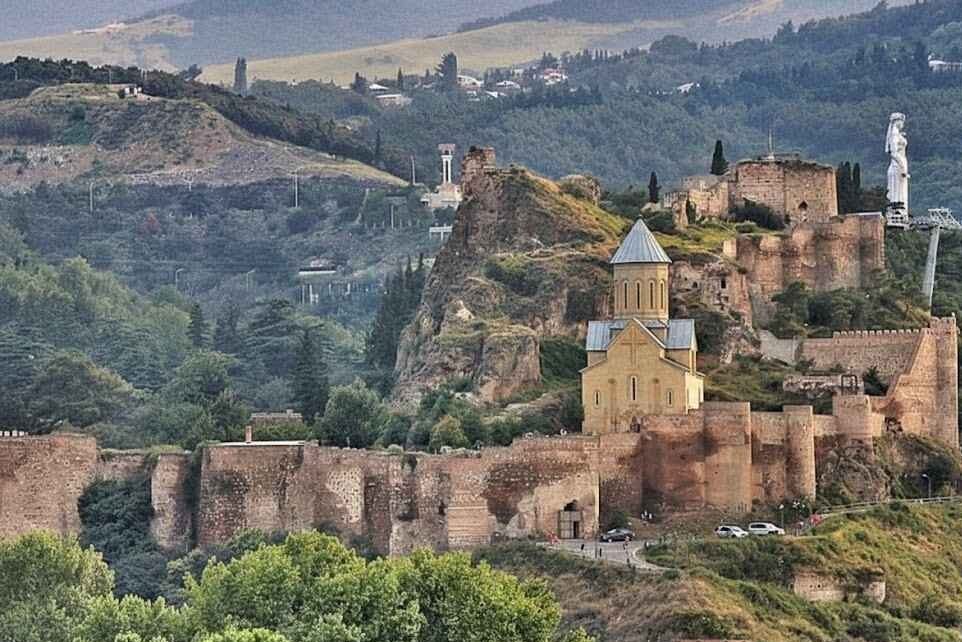
Overlooking Old Town, Narikala Fortress stands as one of the most historic landmarks in Tbilisi. The ancient fortress dates back to the 4th century and reflects Georgia’s defensive history. Travelers visit this hilltop site to enjoy panoramic city views and explore stone ruins.
Perched high above the Mtkvari River, Narikala Hill offers breathtaking scenery of colorful houses and modern architecture. The cable car ride from Rike Park provides a quick and exciting way to reach the fortress. Many tourists include this viewpoint in their Tbilisi travel guide for sunset photography.
From the fortress walls, visitors capture wide skyline views that highlight both Old Town and new districts. The surrounding area connects easily to other top attractions in Georgia’s capital. History lovers and photographers rank this ancient fortress among the must-see places in Tbilisi.
Mother of Georgia Monument: Symbol of National Identity
Standing proudly above the city, Mother of Georgia represents strength and hospitality in Georgian culture. The statue holds a sword to defend the nation and a bowl of wine to welcome guests. This iconic monument reflects the spirit of Tbilisi and its people.
Visible from many parts of the city, the aluminum statue rises near Narikala Fortress on Sololaki Hill. Tourists hike up or use the cable car route to reach this famous landmark. The site offers one of the best panoramic views in Tbilisi.
Surrounding pathways create excellent photo spots with the Caucasus mountains in the background. The monument plays an important role in Georgia’s tourism and national symbolism. Visitors often combine this attraction with a walk through Old Town and nearby historic streets.
Wander Through Old Town (Kala) & Abanotubani District
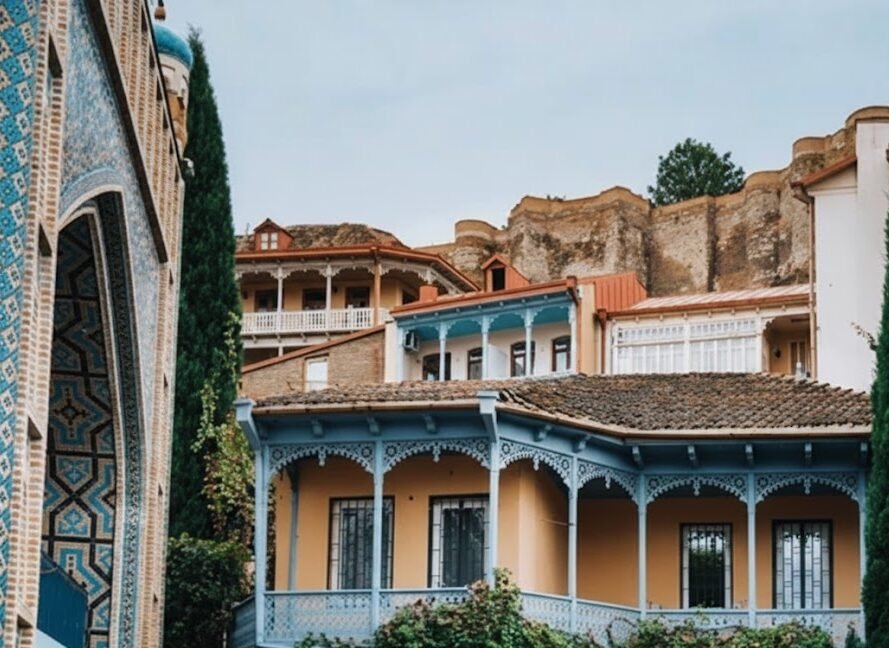
Hidden within the heart of Tbilisi, Old Town (Kala) showcases colorful wooden balconies and narrow cobblestone streets. This historic district reflects traditional Georgian architecture and centuries of cultural heritage. Travelers explore the area to experience authentic city life and local charm.
Beyond the main squares, Abanotubani attracts visitors with its famous sulfur bath domes and brick structures. The district highlights Persian-style architecture and natural hot springs that shaped Tbilisi’s history. Many Georgia travel guides recommend this neighborhood for cultural sightseeing.
Surrounded by cafes, souvenir shops, and art galleries, the Old Town creates a lively atmosphere day and night. Photographers capture scenic balconies and hillside houses from every corner. Tourists consider this heritage area one of the top landmarks in Tbilisi.
Experience the Historic Sulfur Baths of Tbilisi
Located in the Abanotubani district, the traditional sulfur baths offer a unique wellness experience in Georgia’s capital. These thermal bathhouses use natural hot springs rich in minerals. Visitors enjoy relaxing spa treatments while learning about local bathing culture.
Recognized as a symbol of Tbilisi tourism, the bathhouses feature distinctive brick domes and underground pools. The warm sulfur water helps soothe muscles and refresh the body. Many travelers add this historic spa experience to their Tbilisi itinerary.
Popular among both locals and tourists, the sulfur baths reflect centuries-old Georgian traditions. Private rooms and public pools provide different options for visitors. This cultural attraction remains one of the most memorable experiences in Tbilisi.
Sioni Cathedral & Tbilisi’s Religious Heritage
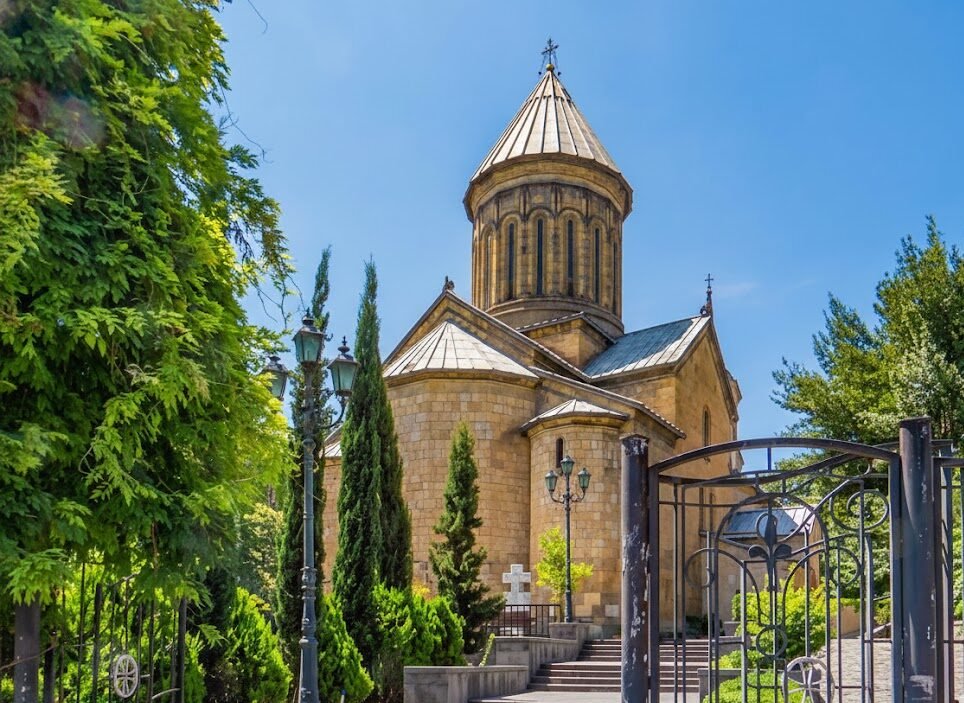
Situated near the banks of the Mtkvari River, Sioni Cathedral stands as one of the oldest churches in Tbilisi. This historic cathedral reflects Georgian Orthodox traditions and deep spiritual roots. Visitors admire its ancient stone walls and peaceful courtyard.
Dating back to the 6th century, Sioni Cathedral holds great importance in Georgia’s Christian history. The interior displays sacred relics, detailed frescoes, and traditional religious icons. Many cultural travelers include this landmark in their Tbilisi sightseeing itinerary.
Recognized as a key symbol of faith, the cathedral attracts pilgrims and tourists throughout the year. Its central location makes it easy to explore along with Old Town attractions. Religious heritage sites like this highlight the spiritual identity of Georgia.
Bridge of Peace & Rike Park: Modern Side of Tbilisi
Stretching across the Mtkvari River, the Bridge of Peace connects Old Town with the modern district of Rike Park. The glass and steel structure represents contemporary architecture in Georgia’s capital. Tourists walk across it to enjoy river views and skyline scenery.
Illuminated with LED lights at night, the bridge creates a beautiful atmosphere for evening strolls. Families and couples relax in nearby Rike Park, a popular green space in Tbilisi’s city center. Many visitors capture photos of this modern landmark during sunset.
Contrasting historic churches and ancient fortresses, the bridge highlights Tbilisi’s urban development. The surrounding park offers open spaces, fountains, and event areas for locals and tourists. Modern attractions like this add diversity to any Georgia travel guide.
Mtatsminda Park & Funicular Ride Experience
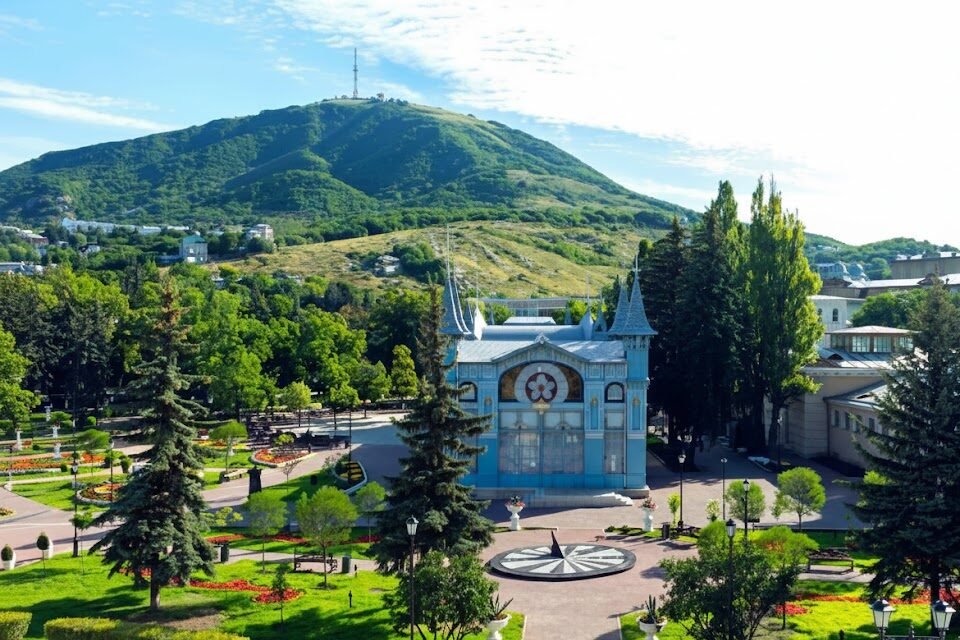
High above the capital, Mtatsminda Park offers one of the best panoramic views in Tbilisi. The hilltop amusement park attracts families, couples, and photographers throughout the year. Visitors enjoy city skyline views stretching across the Mtkvari River.
Travelers reach the park by taking the famous Mtatsminda Funicular from central Tbilisi. The historic tram ride climbs steep slopes and provides scenic viewpoints along the way. Many Georgia travel guides recommend this experience for sunset sightseeing.
Inside the park, guests explore rides, cafes, and entertainment areas with mountain backdrops. The open terraces create perfect photo spots overlooking Old Town and Narikala Fortress. This attraction combines leisure activities with unforgettable views of Georgia’s capital.
Chronicles of Georgia: Monumental Hidden Gem
On the outskirts of Tbilisi, the Chronicles of Georgia stands as a massive stone monument complex. The towering pillars display detailed carvings that tell stories of Georgian kings and religious scenes. Visitors often describe it as the “Georgian Stonehenge.”
Constructed in the late 20th century, the monument highlights important moments from Georgia’s history. The elevated location overlooks the Tbilisi Sea and the surrounding landscapes. Many travelers include this site in their off-the-beaten-path itinerary.
Surrounded by open space and dramatic architecture, the area creates a powerful and quiet atmosphere. Photographers capture the scale of the stone columns against the sky. This landmark adds historical depth to any Tbilisi travel experience.
Liberty Square & Rustaveli Avenue City Walk
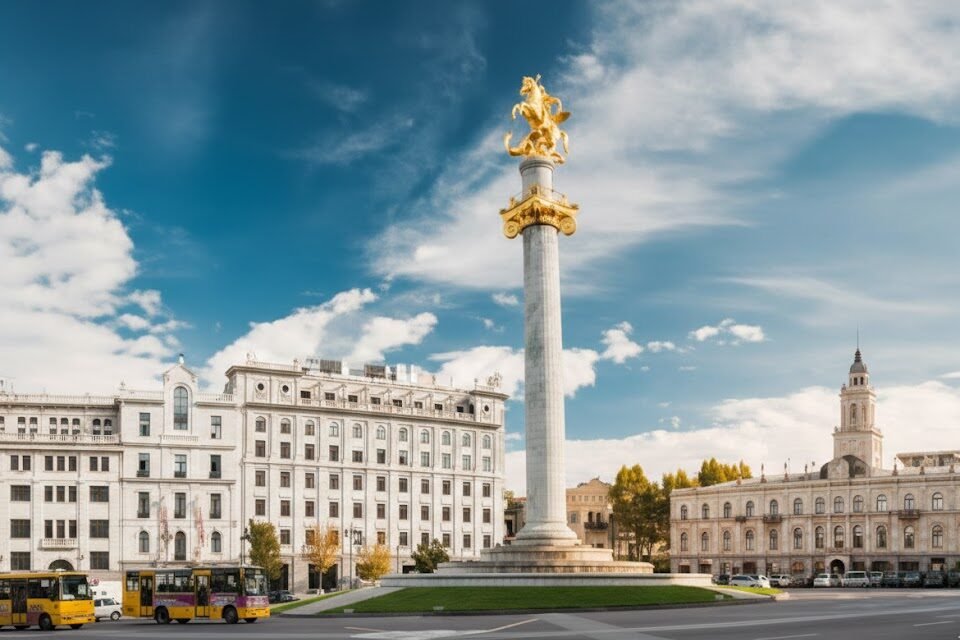
At the center of Tbilisi, Liberty Square serves as a major landmark and meeting point. The square reflects Georgia’s independence history and modern city life. Visitors start their walking tour here to explore nearby attractions.
Running from the square, Rustaveli Avenue stands as the main cultural boulevard of the capital. The avenue features museums, theaters, shopping centers, and government buildings. Travelers enjoy strolling along this busy street to experience urban Tbilisi.
Surrounded by cafes and historic architecture, the area blends political importance with daily city energy. Public events and celebrations often take place in this central district. This vibrant location remains an essential stop in every Tbilisi travel guide.
Gabriadze Theater & Iconic Clock Tower
Tucked away in Old Town, the Gabriadze Theater attracts visitors with its unique artistic style. The puppet theater reflects Georgian creativity and cultural expression. Tourists often gather here to watch performances and admire the design.
Next to the theater, the famous leaning clock tower stands as one of the most photographed spots in Tbilisi. The whimsical structure looks like a fairy tale building with detailed decorations. Many travelers stop here while exploring the historic streets.
Designed by artist Rezo Gabriadze, the theater complex highlights the artistic side of Georgia’s capital. The area creates a charming atmosphere with small cafes and cobblestone paths. This cultural landmark adds character to any Tbilisi sightseeing itinerary.
Tbilisi Botanical Garden: Nature Escape in the Capital
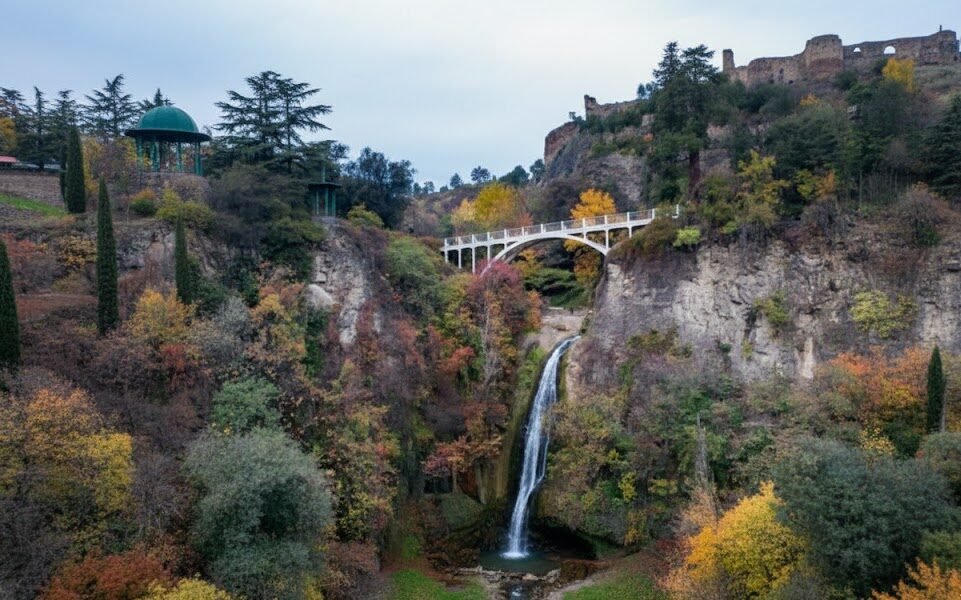
Behind Narikala Fortress, Tbilisi Botanical Garden spreads across a green valley in the city center. The garden features waterfalls, walking trails, and diverse plant species from the Caucasus region. Visitors explore this peaceful space to relax away from busy streets.
Covering a large area, the botanical garden offers scenic hiking paths and wooden bridges. Nature lovers enjoy fresh air while discovering rare trees and colorful flowers. Many Georgia travel guides recommend this attraction for outdoor activities in Tbilisi.
Throughout the year, the garden changes color with the seasons and offers beautiful photo opportunities. Families and couples spend quiet time surrounded by greenery and mountain views. This natural landmark adds balance to the historic and modern sights of Tbilisi.
Georgian Food & Wine Culture in Tbilisi
Across the city, traditional Georgian cuisine attracts food lovers with rich flavors and local ingredients. Popular dishes like khachapuri and khinkali highlight authentic culinary traditions. Restaurants in Old Town and Rustaveli Avenue serve classic meals with warm hospitality.
Famous for its ancient winemaking history, Georgia ranks among the oldest wine regions in the world. Visitors taste local wines made in traditional qvevri clay vessels. Wine bars in Tbilisi introduce travelers to unique grape varieties and tasting experiences.
Throughout the capital, vibrant cafes and family-owned restaurants create a lively dining scene. Food tourism plays an important role in every Tbilisi travel guide. Exploring Georgian food and wine culture completes the experience of visiting Georgia’s capital.
Best Day Trips from Tbilisi Across Georgia
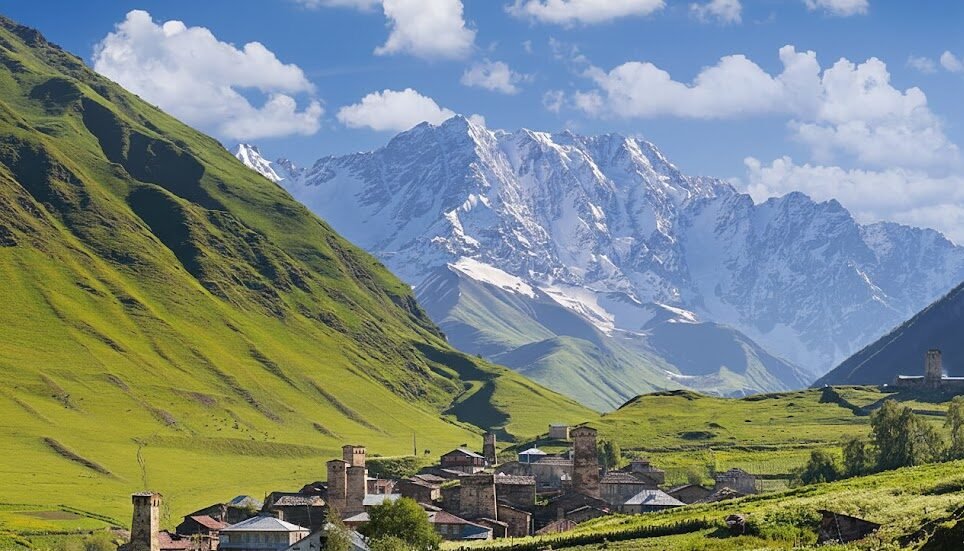
Beyond the capital city, Georgia offers scenic day trips filled with mountains, vineyards, and historic towns. Many travelers use Tbilisi as a base to explore the Caucasus region. Popular excursions include wine regions, monasteries, and countryside landscapes.
Among the top destinations, Svaneti attracts adventure lovers with dramatic peaks and medieval towers. The mountain town of Mestia serves as a gateway to hiking trails and alpine scenery. Nearby, Ushguli stands as one of the highest inhabited villages in Europe.
Closer to the capital, wine lovers visit Kakheti to experience Georgia’s ancient winemaking tradition. Tour operators offer guided trips that include wine tastings and visits to cultural heritage sites. These day tours add depth to any Tbilisi travel itinerary.
Where to Stay in Tbilisi for Every Budget?
Within the historic center, Old Town provides boutique hotels and guesthouses near major landmarks. Visitors choose this area for easy access to Narikala Fortress and sulfur baths. Staying here allows travelers to explore top attractions on foot.
Around Rustaveli Avenue, modern hotels offer comfortable rooms and convenient transport connections. Business travelers and families prefer this district for shopping and dining options. The city center location makes sightseeing simple and efficient.
For panoramic views, Mtatsminda and hillside neighborhoods provide quiet stays above the busy streets. Budget hostels and luxury apartments are available across the capital. Tbilisi offers accommodation options that suit every type of traveler in Georgia.
Conclusion
Tbilisi, Georgia, offers a perfect mix of history, culture, and natural beauty. From ancient landmarks like Narikala Fortress and Sioni Cathedral to modern attractions such as the Bridge of Peace and Mtatsminda Park, every corner of the city tells a story.
Visitors can enjoy traditional Georgian cuisine, vibrant markets, and day trips to Svaneti or Kakheti wine country. With its welcoming atmosphere, diverse landmarks, and scenic views, Tbilisi remains a must-visit destination in the Caucasus region.
FAQ
Q1: What is the best time to visit Tbilisi?
A: Spring (April–June) and autumn (September–October) offer pleasant weather, ideal for sightseeing and outdoor activities.
Q2: Which Tbilisi landmarks are must-sees for first-time visitors?
A: Key landmarks include Holy Trinity Cathedral (Sameba), Narikala Fortress, Mother of Georgia Monument, and the Old Town district.
Q3: How can tourists reach hilltop attractions in Tbilisi?
A: Cable cars, funiculars, and walking trails provide easy access to Narikala Fortress, Mtatsminda Park, and viewpoints.
Q4: Where can visitors experience Georgian cuisine and wine culture?
A: Old Town, Rustaveli Avenue, and local wine bars offer traditional dishes like khachapuri, khinkali, and regional wines.
Q5: Are day trips from Tbilisi worth exploring?
A: Yes, excursions to Svaneti (Mestia and Ushguli) or Kakheti wine country provide stunning landscapes and cultural experiences.
Leave a Reply