Author: admin@gmail.com

  • Taste of New Zealand

    Taste of New Zealand

    New Zealand on a Plate
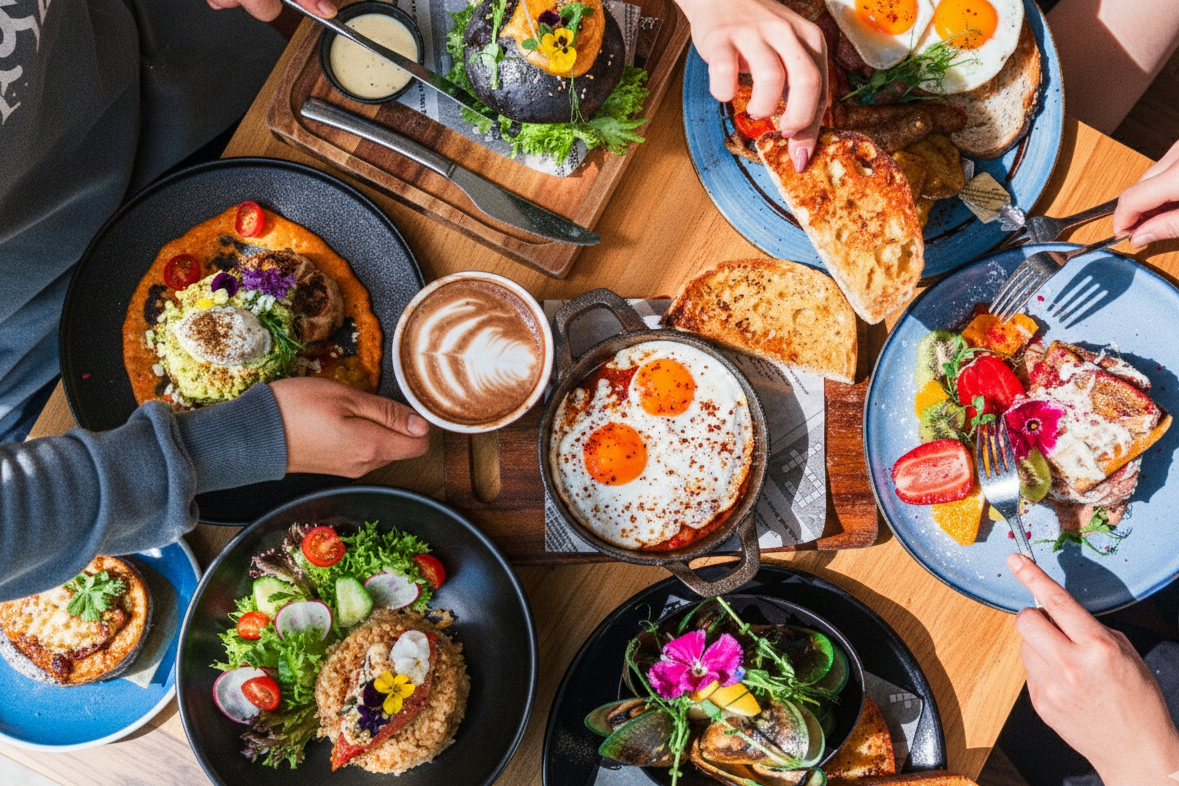
    New Zealand famous cuisine

    Let’s chat about New Zealand food and some awesome restaurants. You know, New Zealand is famous for its stunning scenery, vibrant culture, and super friendly people. But there’s another gem hiding in there the food. Kiwi cuisine is a fantastic mix of Maori traditions, British influences, and global flavors, all about keeping it fresh and simple.

    From traditional Maori cooking techniques to cozy comfort foods and fancy dining spots, the food scene here really shows off the connection to nature and community. In this guide, we’ll dive into some must-try dishes, both classic and modern, and check out the best places to eat in New Zealand for a true taste of the culture.

    Let’s break down what makes New Zealand food so special:

    1. Maori food traditions focus on earth-cooked meals with local ingredients.

    2. British culinary heritage brings in baked goodies, roasts, and pies.

    3. Modern multicultural influences add flavours from Asia, the Pacific, and Europe.

    All these elements come together to create a food culture that’s wholesome, seasonal, and really respects the land and sea. You can expect to find fresh seafood, top-notch lamb, dairy, fruits, and veggies taking center stage. The focus is always on quality ingredients instead of complicated cooking techniques, letting the natural flavors do their thing.
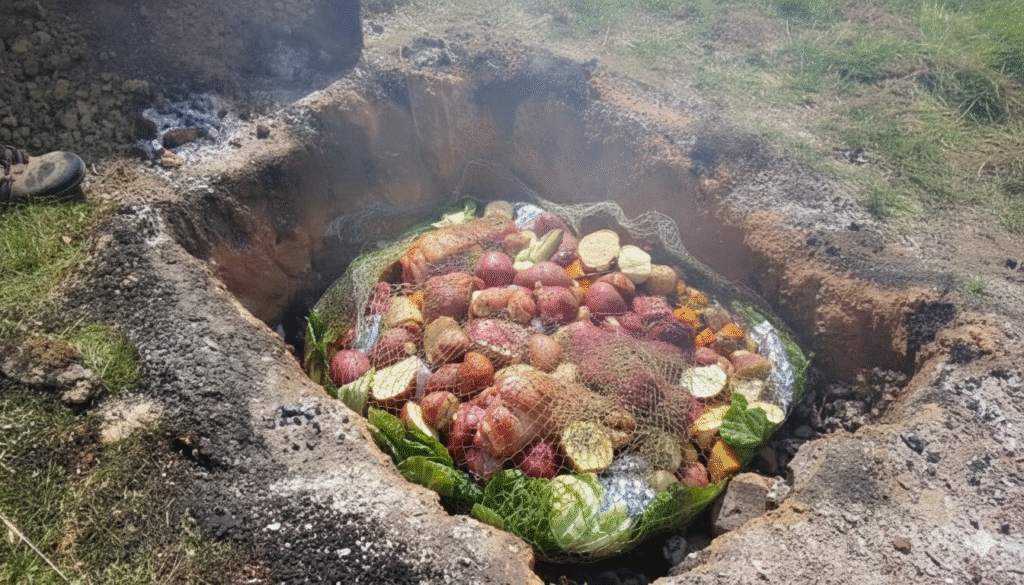
    New Zealand cuisine

    Now, if we’re talking about traditional Maori food, we can’t skip hangi. This age old cooking method uses an underground earth oven with hot stones to cook meat and veggies like kumara (sweet potato) and pumpkin. The food turns out super tender and smoky, making it a real communal experience often shared during celebrations, especially in Rotorua.

    Here are some iconic Kiwi dishes you definitely need to try:

    1. Pavlova: This light and airy dessert is a must-have at any gathering, topped with whipped cream and fresh fruit. It’s a symbol of Kiwi hospitality.  

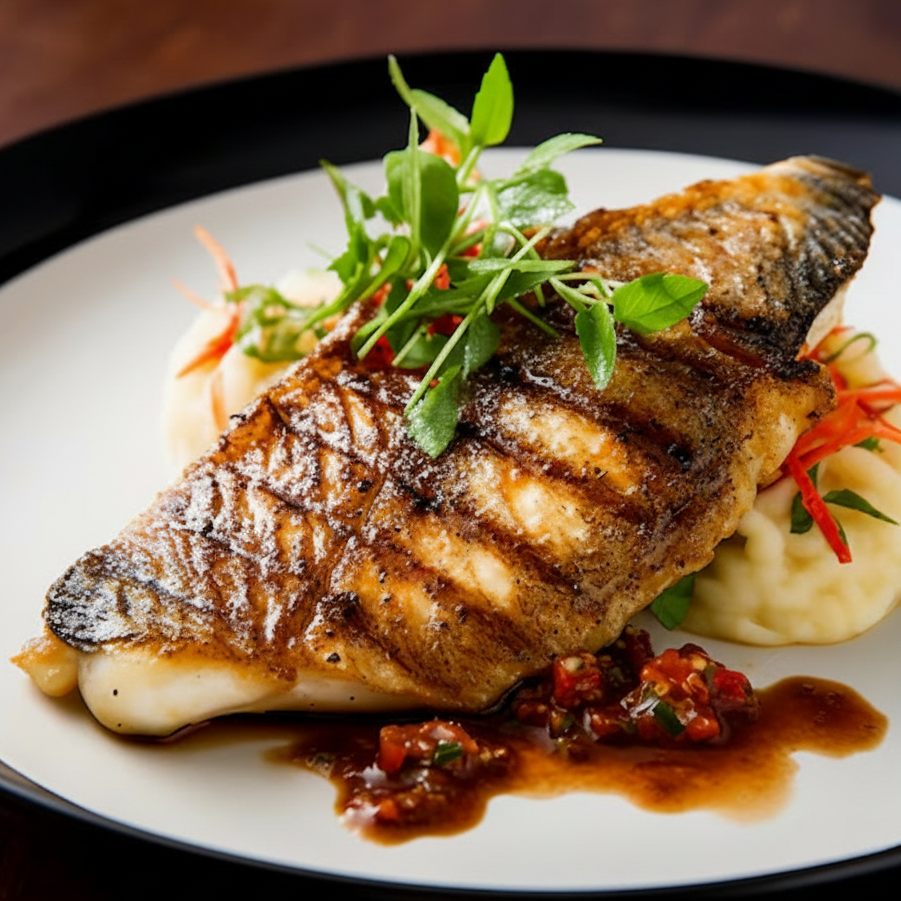
    2. New Zealand Lamb: Known for its tenderness and flavor, this lamb is often roasted or grilled with herbs. It’s super popular and a staple in Kiwi meals.

    3. Meat Pie: A classic comfort food filled with beef, lamb, or chicken, meat pies are found everywhere from bakeries to gas stations. It’s pretty much New Zealand’s unofficial national dish.

    4. Fish and Chips: With all that coastline, you can’t miss out on fish and chips. Using local fish, it’s a casual dining favorite enjoyed by the beach or for takeaway.

    5. Paua (Abalone) – A Maori Treat:  So, paua is this awesome type of abalone you can find in New Zealand waters, and it’s super important to Maori culture. People really love it for its rich flavor, and you’ll often find it in fritters, chowders, or fancy dishes. Plus, its beautiful shell is a big deal in Maori art and jewelry, which just adds to its cultural significance.

    6. Whitebait Fritters:  Whitebait fritters are a must-try seasonal treat made from these tiny, see-through fish mixed with egg and lightly fried. They’re simple but delicious and have a delicate flavor that’s especially loved in coastal areas.

    7. Hokey Pokey Ice Cream: You can’t talk about New Zealand food without mentioning hokey pokey ice cream. This classic dessert features creamy vanilla ice cream with crunchy honeycomb toffee pieces mixed in, and it’s a favorite among locals of all ages.

    Modern New Zealand Cuisine: A Blend of Old and New  

    New Zealand cuisine

    Modern New Zealand cuisine is all about mixing traditional ingredients with fresh techniques. Chefs focus on sustainability, using local ingredients, and creating seasonal menus. Plus, influences from Asian, Pacific Island, and Mediterranean cuisines have really added some exciting variety to the food scene. This creative mix has put New Zealand on the global culinary map, with some restaurants even getting international awards!

    Best Restaurants in New Zealand

    Amisfield Restaurant– Queenstown  

    Amisfield is one of the top-rated spots in New Zealand. Nestled near Lake Hayes in Queenstown, it offers a fancy tasting menu that showcases seasonal ingredients, wild foods, and local wines. This place has earned some serious international praise and provides an immersive dining experience that truly reflects the Central Otago landscape.

    Auckland – A Food Lover’s Paradise  

    As the largest city in New Zealand, Auckland has one of the most diverse food scenes in the country. Whether you’re into high-end dining or grabbing a bite from street vendors and seafood markets, Auckland really showcases the multicultural vibe of New Zealand cuisine. You’ll find everything from fresh seafood to modern Pacific-inspired dishes and contemporary spins on traditional Kiwi food.

    Wellington – The Food Capital of New Zealand  

    Wellington is often called New Zealand’s food capital, and for good reason. With its lively cafe scene, top-notch restaurants, and amazing coffee, this city has a fantastic blend of casual spots and upscale dining. The focus on fresh, local ingredients and creative menus makes it a must-visit for anyone who loves good food.  

    Coastal & Regional Dining Experiences  

    If you venture outside the big cities, New Zealand has some awesome regional food experiences to offer:  

    • Kaikoura is a hotspot for fresh crayfish right from the ocean.  
    • Marlborough is known for its green-lipped mussels and fabulous wines.  
    • The South Island is all about salmon, venison, and alpine cheeses.  

    These regional dishes really showcase the natural bounty of the land and sea.  

    Food Markets and Local Eating  

    To really dive into authentic New Zealand cuisine, you’ve got to check out the local food markets. Farmers’ markets all over the country have fresh produce, artisan bread, cheeses, honey, and ready-to-eat goodies. Plus, they’re a great way to chat with locals and find out what’s in season.  

    New Zealand Food Culture and Traditions  

    Food in New Zealand is all about community and lifestyle. Barbecues, or “barbies” as they call them, are popular hangouts where friends and family gather to enjoy grilled meats, salads, and seafood. Shared meals, dining outdoors, and friendly hospitality are what Kiwi food culture is all about. Whether it’s a picnic on the beach or a festive holiday meal, food brings everyone together.  

    Why New Zealand Cuisine Is Unique  

    What makes New Zealand cuisine special is its authenticity. It really focuses on:  

    • Fresh, local ingredients  
    • Honoring cultural heritage  
    • Sustainability and ethical sourcing  
    • Simple yet elegant cooking  

    All of this creates a food scene that’s both comforting and innovative.  

    Conclusion:

    New Zealand’s cuisine tells the story of its land, people, and history. Trying out famous New Zealand dishes and dining experiences lets travelers connect with Kiwi culture on a deeper level. Whether you’re enjoying a meal at an award-winning restaurant, grabbing fish and chips by the seaside, or sharing a homemade dessert with locals, every meal in New Zealand has a story to tell.
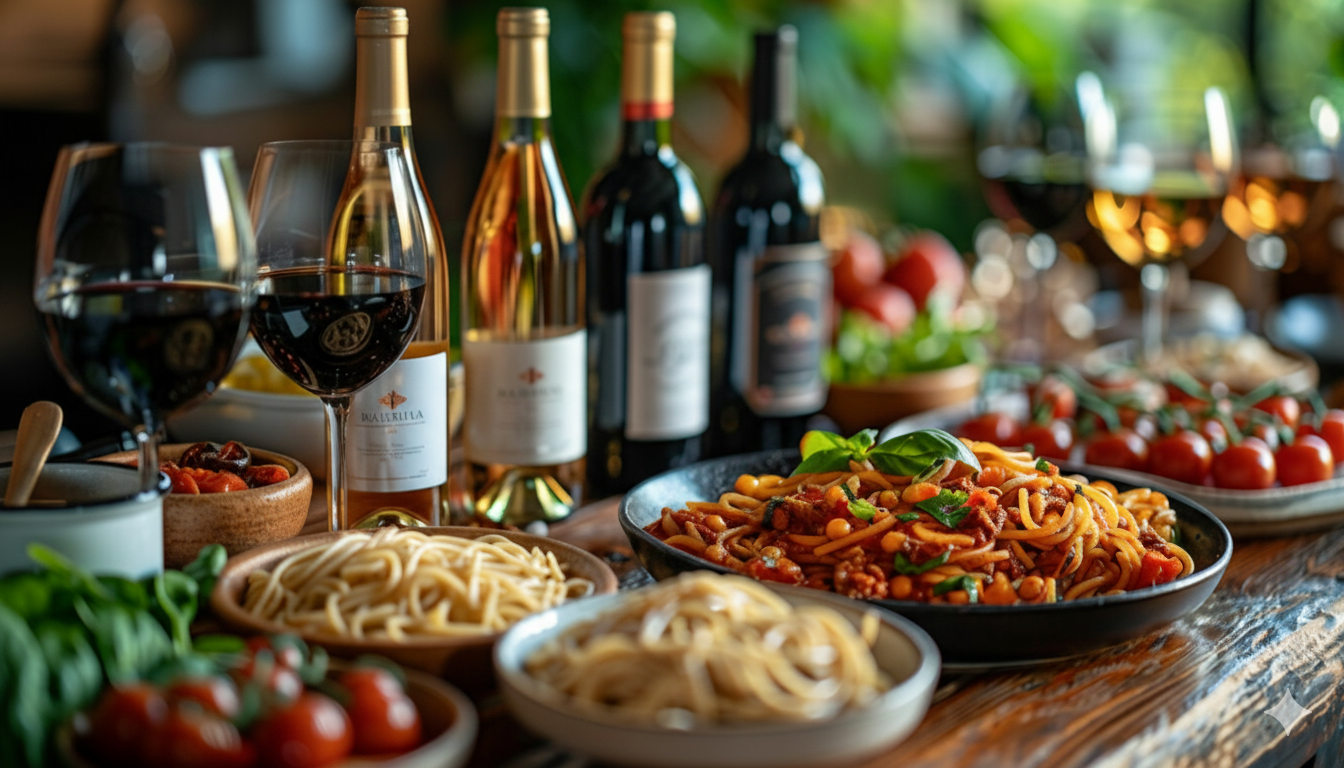
  • Exploring Italian Cuisine

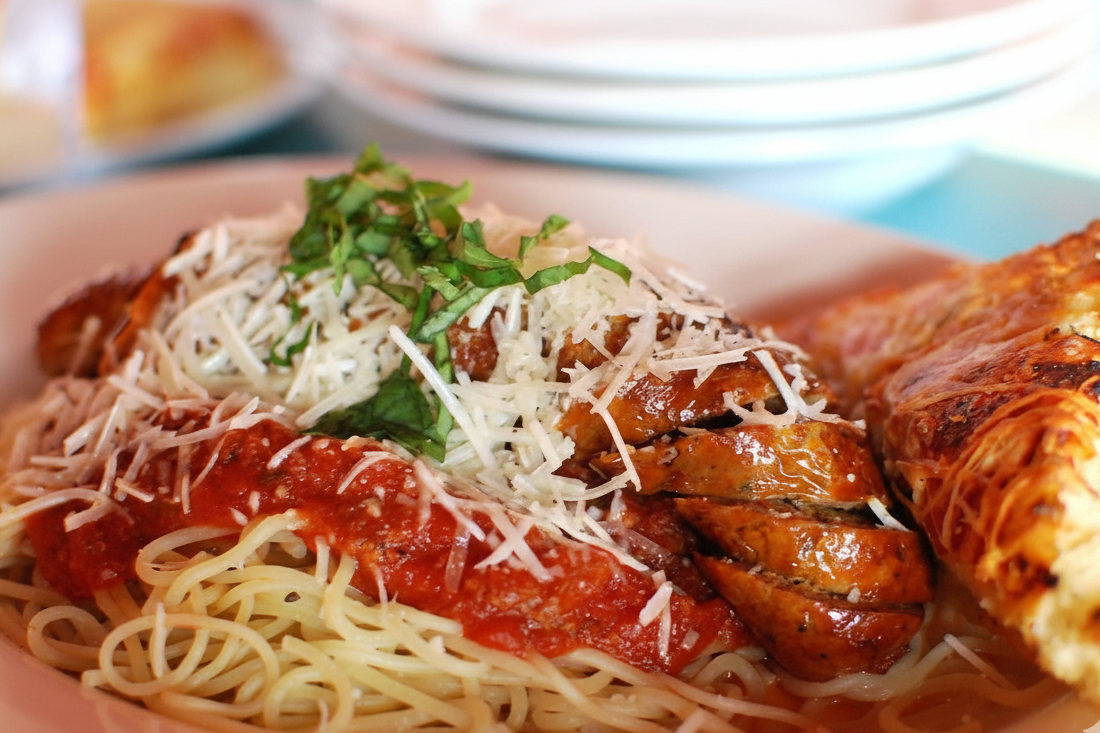
    Exploring Italian Cuisine

    Italian Food Guide

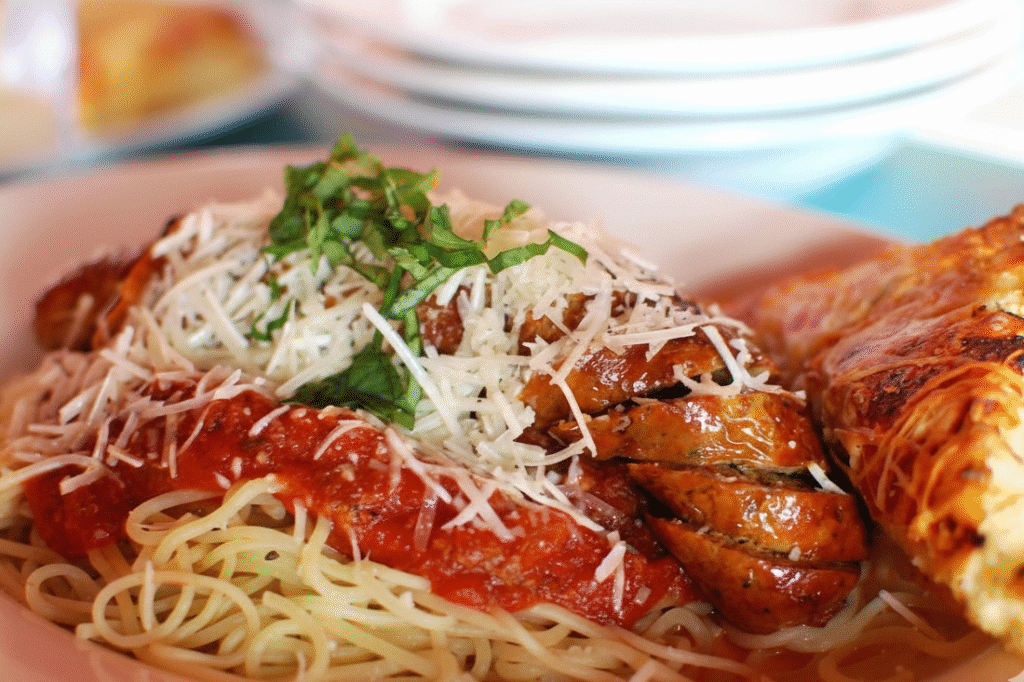
    Italian cuisine

    Famous Dishes And Best Restaurants

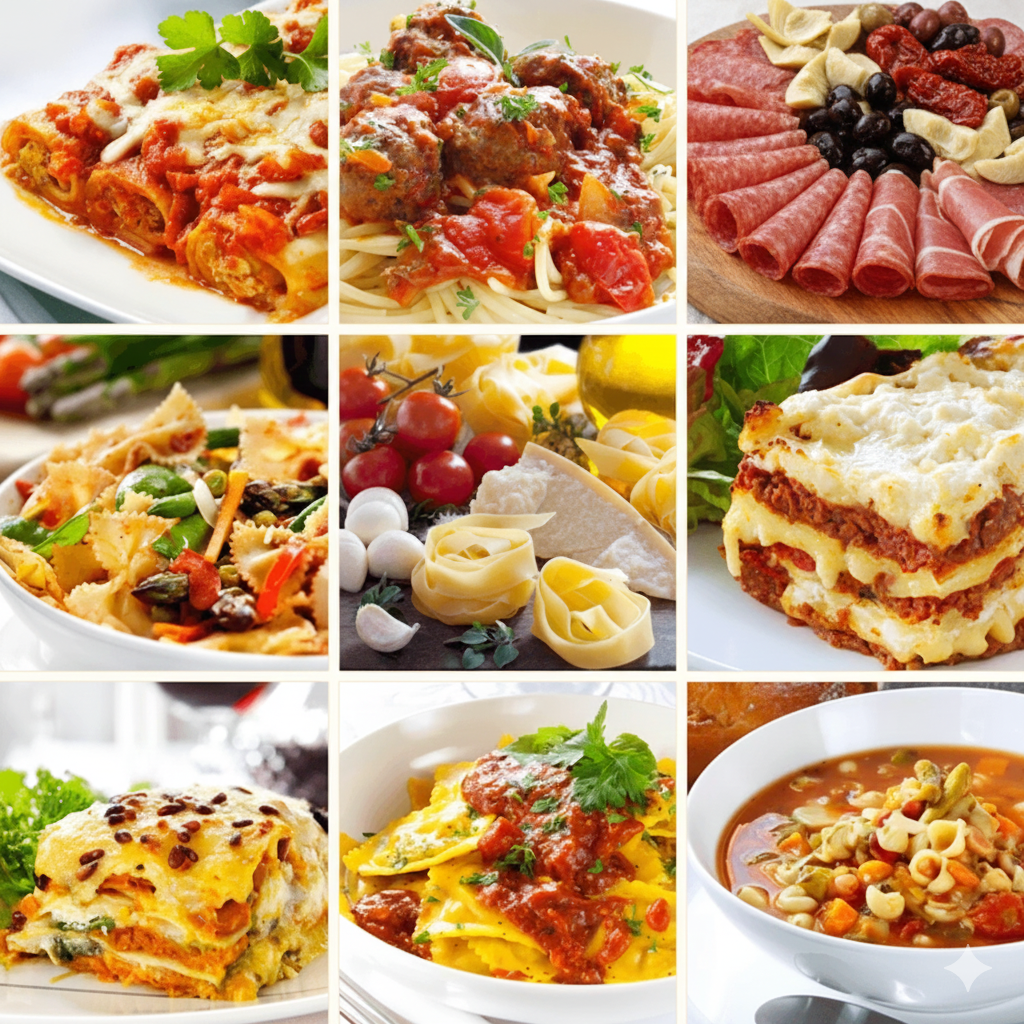
    Italy is more than just a country.Rather, it is a living celebration of gastronomy, tradition & culture.Italian cuisine has conquered the world with its simplicity, authenticity, and bold flavors.

     From artisan pasta and wood-fired pizza to regional cuisine and world-famous restaurants, Italian cuisine reflects centuries of history and passion.This guide focuses on famous Italian dishes, traditional dishes, iconic restaurants and the cultural importance of Italian gastronomy.

    The essence of Italian cuisine

    Italian cuisine is based on fresh, high-quality ingredients such as olive oil, tomatoes, garlic, basil, cheese and seasonal produce.

     Unlike complex cooking styles, Italian cuisine focuses on simplicity, allowing the ingredients to shine naturally.Each region of Italy has its own culinary personality, making Italian cuisine diverse yet unified.

    Famous Italian dishes loved all over the world

    Italian cuisine

    1.Pizza – Italy’s global icon

    Pizza, which originated in Naples, is Italy’s most famous dish.

    Traditional Neapolitan pizza is made with thin crust, San Marzano tomatoes, mozzarella di bufala, fresh basil, and olive oil. Variations such as margherita, marinara, and quattro formaggi are currently popular all over the world.

    2.Pasta is at the heart of Italian cuisine

    There are over 350 types of pasta in Italy, each served with a specific sauce. Popular dishes include:

    Spaghetti Carbonara (Rome)

    Penne arrabbiata

    Bolognese lasagna

    Fettuccine alfredo

    Fresh pasta is most often made by hand using traditional methods that have been passed down from generation to generation.

     3. Risotto – a hearty dish from northern Italy

    Risotto is a creamy rice dish made with arborio or carnaroli rice.Famous versions include the saffron-flavored risotto alla Milanese and the coastal seafood risotto.

    4.Gelato – Italy’s sweet treasure

    Italian ice cream is thicker and richer than regular ice cream.Popular flavors include pistachio, hazelnut, stracciatella, and lemon.Ice cream parlors, or gelaterias, are an integral part of Italian street culture.

    5.Tiramisu – classic Italian dessert

    Tiramisu, made with espresso, mascarpone, cocoa powder, and ladybugs dipped in eggs, originated in the Veneto region and remains one of Italy’s most popular desserts.

    Traditional and cultural Italian cuisine

    It is deeply regional, reflecting geography and history.

    Northern Italy

    • Polenta
    • Risotto
    • Ossobuco
    • Butter based sauce

    Central Italy

    • Carbonara
    • Amateur
    • Porchetta

    Southern Italy

    • Spicy tomato sauce
    • Eggplant parmigiana
    • Seafood dishes
    • Cooking with olive oil

    Island cuisine

    Sicily: arancini, cannoli

    Sardinia: Pecorino cheese, seafood stew.

    These traditional Italian cuisines are cultural symbols and are often prepared during festivals and family celebrations.

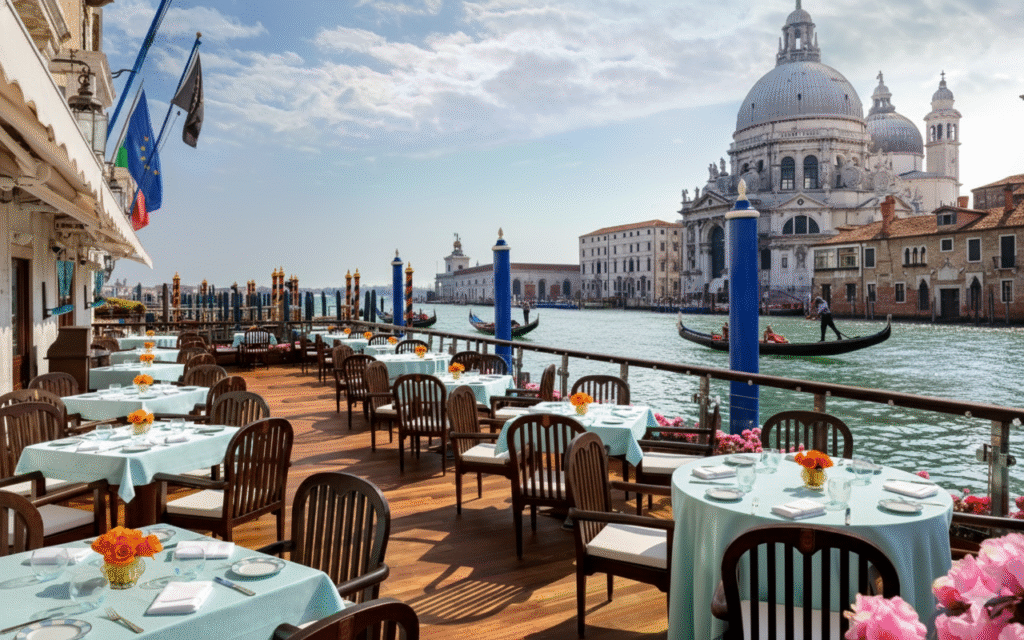
     Famous Italian restaurants and food culture

    Italy is home to some of the world’s most famous restaurants, from Michelinstarred fine dining restaurants to rustic trattorias.

     Types of Italian restaurants

    Trattoria is a simple family restaurant serving regional cuisine.

    Osteria – A simple restaurant serving traditional cuisine.

    The Ristorante is a formal dining venue with a carefully selected menu.

    Pizzeria – Specialty pizzeria.

    Famous restaurants in Italy

    Osteria Francescana (Modena) is a world-renowned Michelin-starred restaurant.

    Da Enzo al 29 (Rome) – Famous for Roman classics.

    Antica Pizzeria Da Michele (Naples) – Legendary pizza

    Italian restaurants emphasize slow food, fresh ingredients, and authentic flavors over quick service.

    Italian food and wine pairings

    Wine plays an essential role in Italian cuisine. Each region produces wines that go well with local cuisine.

    Chianti pasta with red sauce

    Barolo where you can enjoy rich meat dishes

    Prosecco and snacks

    Sausage lambrusco

    Pairing food and wine creates a complete Italian culinary experience.

     Italian food culture around the world

    Italian cuisine has had a greater influence on global food culture than any other food.Italian restaurants can be found in every major city, offering both traditional and contemporary food.

    However, authentic Italian food emphasises; seasonal ingredients, regional recipes, minimal processing, traditional preparation

    Travelers visiting Italy often find that the authentic Italian flavor is simpler but richer than the international version.

     Why Italian food is timeless

    Italian cuisine has endured because it brings people together. Recipes are passed down from generation to generation, food brings communities together and cuisine reflects love, history and tradition.Whether it’s a simple pasta dish or a sumptuous multi-course meal, Italian cuisine has a story to tell.

    Final thoughts

    Italian cuisine continues to inspire the world.Discovering Italian cuisine is a journey into history, passion and unforgettable flavours.

    If you want to understand Italy, start with the table.I can surely say that, you will love these amazing dishes.

  • Top Travel Destinations

    Top Travel Destinations

    Places You Must Visit in 2026

    travel

    As global travel becomes increasingly accessible and interest in exploration rises, 2026 is anticipated to be an extraordinary year for memorable adventures. Whether your aspirations include pristine lakes, snow-capped mountains, historic cities, or tropical coastlines, the world is teeming with stunning locales awaiting your discovery.  

    This guide highlights five of the most remarkable destinations to consider for 2026. Each place boasts natural beauty, rich cultural experiences, engaging attractions, and unforgettable journeys that leave a lasting impact on every visitor.  

    Norway, Australia, Italy, Turkey, and New Zealand consistently rank among the top travel destinations worldwide. Their diverse landscapes, rich histories, culinary delights, architectural wonders, and distinctive cultures cater to adventurers, photographers, couples, families, and solo travelers alike.  

    Let us delve into what makes these five countries essential destinations for your travel plans in 2026.

    1. Norway: A Destination of Fjords, Mountains, and Exceptional Natural Beauty

    Norway stands out as one of the most captivating countries globally, renowned for its stunning scenery, dramatic landscapes, and invigorating environment, making it an ideal destination for outdoor enthusiasts.

    travel
    travel
    travel

    Reasons to Consider Visiting Norway in 2026

    Norway presents some of the most picturesque vistas on the planet. Its distinctive blend of fjords, mountains, glaciers, waterfalls, lakes, and the northern lights creates a remarkable paradise. Whether you are exploring urban areas or embarking on road trips through the countryside, Norway promises unforgettable experiences.

    Key Attractions in Norway

    • Geirangerfjord: A UNESCO World Heritage site celebrated for its steep cliffs, lush vegetation, and crystal-clear waters.
    • Sognefjord: The longest fjord in Norway, providing scenic boat rides and tranquil landscapes.
    • Jotunheimen National Park: An ideal destination for hikers, climbers, and nature aficionados, featuring towering peaks and glacial lakes.
    • Oslo: The capital city, abundant in museums, modern architecture, and waterfront charm.
    •  Tromso: Renowned as one of the premier locations to view the Northern Lights.
    • Bergen: Known for its vibrant wooden houses and stunning coastal scenery.

    Who Should Consider Visiting Norway?

    This destination appeals to nature lovers, adventure seekers, photographers, hiking fans, and anyone in pursuit of serene and revitalizing landscapes.

    2. Australia: A Diverse Paradise of Beaches, Cities, and Natural Wonders

    Australia stands out as one of the most stunning and diverse countries globally, renowned for its pristine beaches, vibrant wildlife, contemporary cities, tropical islands, and dramatic outback. It draws millions of visitors each year.

    Travel

    Reasons to Visit Australia in 2026

    Australia presents a unique combination of natural beauty and urban life. From exploring the underwater wonders of the Great Barrier Reef to embarking on scenic road trips along the Great Ocean Road, the nation caters to travelers in search of both adventure and relaxation.

    Key Destinations in Australia

    •  Sydney: Home to the iconic Sydney Opera House, Harbour Bridge, and picturesque coastal walks.
    • Great Barrier Reef: The largest coral reef system in the world, teeming with remarkable marine life.
    • Tasmania: Celebrated for its rugged natural landscapes, hiking opportunities, and unspoiled beauty.
    • Melbourne: The cultural hub, renowned for its art scene, culinary offerings, sports, and vibrant cafe culture.
    •  Blue Mountains: A tranquil retreat featuring cliffs, waterfalls, and lush forest trails.
    •  Uluru (Ayers Rock): A revered landmark and one of Australia’s most iconic natural attractions.

    Regardless of the region selected, Australia’s warm climate and outdoor-friendly environment make every visit rewarding.

    Who Should Consider Visiting Australia?

    This destination is ideal for beach enthusiasts, wildlife lovers, adventure seekers, families, backpackers, and couples in search of a breathtaking getaway.

    3.Italy: A Timeless Destination of Culture, Cuisine, and Scenic Landscapes  

    Italy stands as a prominent destination renowned for its extensive history, exceptional cuisine, iconic architecture, artistic legacy, and stunning natural scenery, making it one of the most frequently visited countries worldwide.  

    travel
    travel

    Reasons to Visit Italy in 2025  

    Italy offers an ideal combination of gastronomy, art, history, fashion, architecture, and nature. From picturesque villages to world-renowned cities, every region of Italy possesses its unique charm.  

    Key Destinations in Italy  

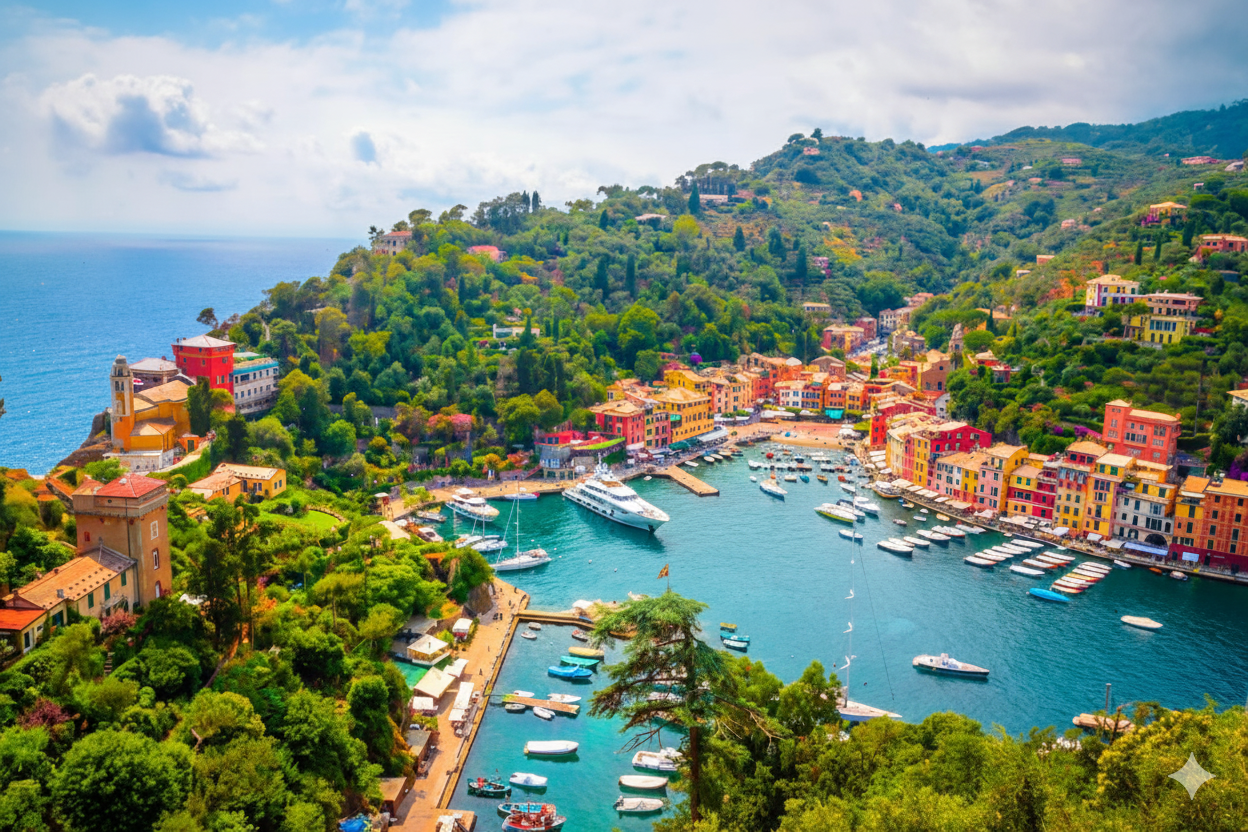
    •  Amalfi Coast:  A breathtaking coastline adorned with pastel-hued villages and Mediterranean vistas.  
    •  Florence: The epicenter of the Renaissance, featuring remarkable museums and architectural wonders.  
    • Naples: A lively city celebrated for its pizza, historic streets, and cultural riches.  
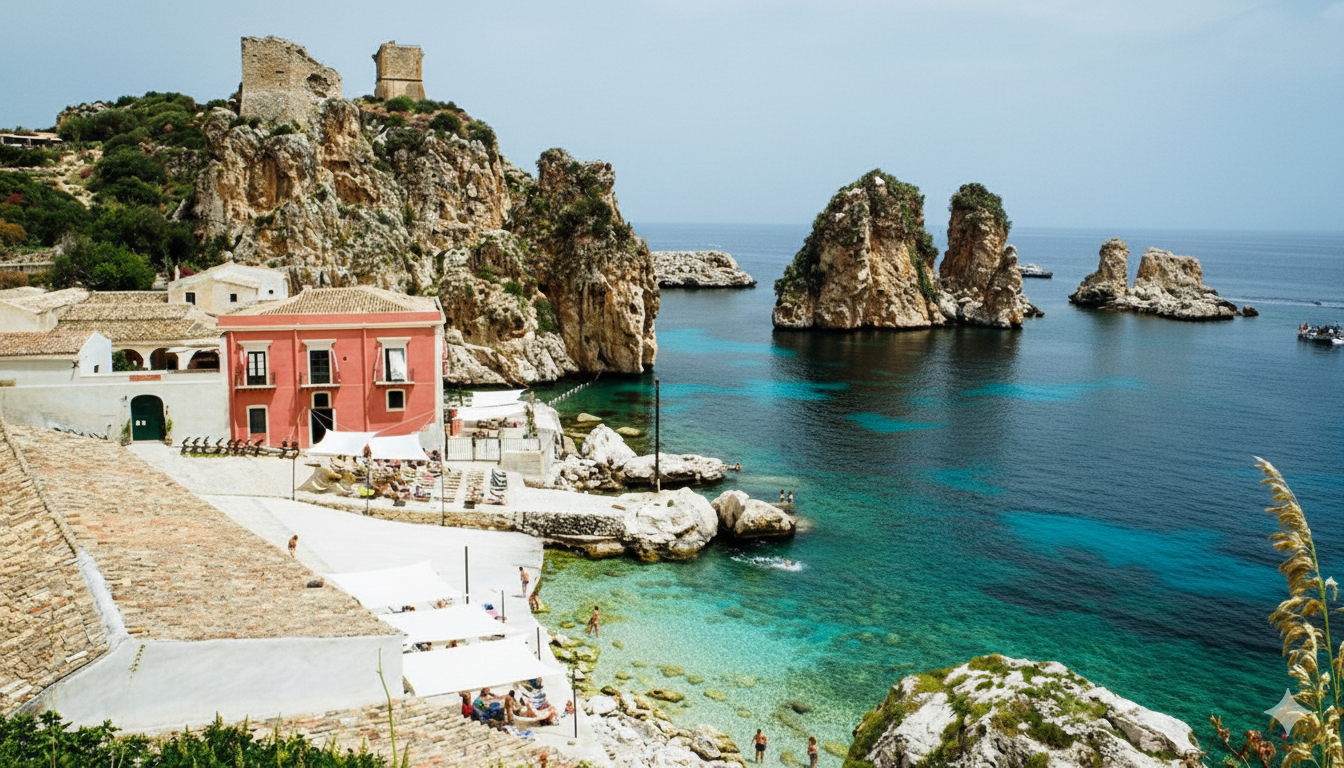
    •  Sicily: An enchanting island boasting beaches, volcanoes, temples, and a deep historical significance.  
    •  Lake Como: A luxurious haven surrounded by mountains and shimmering lakes.  
    • Rome: The Eternal City, home to the Colosseum, Vatican City, and centuries of history.  

    Who Should Consider Visiting Italy?  

    Italy is ideal for food enthusiasts, art lovers, newlyweds, families, and travelers who value culture, history, and exquisite architecture.

    4.Turkey: A Convergence of Cultures and Living History  

    Turkey is a remarkable nation where Eastern and Western traditions intersect. Renowned for its rich culture, historic architecture, warm hospitality, and varied landscapes, Turkey has established itself as one of the premier travel destinations globally.  

    travel

    Reasons to Consider Turkey in 2026

    Turkey presents a comprehensive array of attractions in a single locale historical landmarks, stunning beaches, majestic mountains, spiritual sites, and vibrant nightlife. Its distinctive combination of the ancient and contemporary renders it an intriguing destination.  

    Key Destinations in Turkey  

    • Istanbul: An enchanting city featuring mosques, palaces, bazaars, and a blend of European and Asian influences.  
    • Antalya: A Mediterranean haven with picturesque beaches, waterfalls, and luxury resorts.  
    •  Cappadocia: Renowned for hot-air balloon excursions over its unique rock formations and fairy chimneys.  
    •  Pamukkale: Famous for its striking white thermal terraces resembling snowy hills.  
    • Konya: A city of spiritual significance, celebrated for the Whirling Dervishes.  
    •  Bodrum: Ideal for beach activities, nightlife, and seaside leisure.  
    • Safranbolu: A historic Ottoman town recognized as a UNESCO World Heritage site.  
    • Fethiye: Known for its beautiful beaches, the Blue Lagoon, and a variety of adventure sports.  

    Target Audience for Turkey  

    Turkey appeals to history enthusiasts, culinary aficionados, budget-conscious travelers, beach lovers, and cultural explorers.

    5. New Zealand: A Destination for Nature Enthusiasts and Adventure Aficionados

    New Zealand is renowned for its stunning natural beauty, with every trail, lake, and mountain exuding an untouched charm. Its dramatic landscapes, serene environment, and abundance of adventure activities make it an ideal locale for those who appreciate the outdoors.

    travel
    travel

    Reasons to Consider New Zealand in 2026

    The country is home to remarkable natural phenomena, including luminous caves, majestic mountains, and unspoiled lakes. Its tranquil atmosphere, welcoming culture, and breathtaking vistas create an experience akin to paradise.

    Key Attractions in New Zealand

    •  Queenstown: Known as the adventure capital, it offers activities such as skydiving, bungee jumping, and scenic lake cruises.
    •  Waitomo Glowworm Caves: An enchanting subterranean realm illuminated by thousands of glowworms.
    • Rotorua: Famous for its geothermal pools, geysers, and rich Maori heritage.
    •  Milford Sound: A striking fjord celebrated for its waterfalls, cliffs, and boat excursions.
    • Lake Tekapo: Renowned for its turquoise waters and exceptional stargazing opportunities.
    • Wanaka:  A tranquil town nestled among lakes and mountains.
    • Bay of Islands: A tropical haven ideal for water sports, wildlife encounters, and beautiful beaches.

    Ideal Visitors to New Zealand

    This destination appeals to adventure enthusiasts, hikers, photographers, couples seeking romance, and travelers who value serene natural settings.

    Conclusion

    Each of the five destinations Norway, Australia, Italy, Turkey, and New Zealand provides unique and inspiring experiences for every traveler. Their captivating beauty, rich cultural heritage, and memorable adventures make them exceptional places to explore in 2026. From Norway’s fjords to Australia’s coral reefs, Italy’s historical Allure to Turkey’s cultural treasures, and New Zealand’s enchanting landscapes to its exhilarating activities, each travel destination offers a dreamlike experience. If you are planning your next travel itinerary, consider including these remarkable countries. Visiting them will not only rejuvenate your mind but also enrich your soul and expand your worldview.

  • Indigenous Australian Cuisine

    Indigenous Australian Cuisine

    A Complete Guide To Famous Australian Dishes

    Australian cuisine

    Australia is way more than just amazing scenery, cool animals, and gorgeous beaches. It’s also a seriously awesome place for food. Over time, Australian cuisine has become this incredible mix of different cultures, cooking styles, and tastes. Right now, it’s a blend of traditional Aboriginal ingredients, European traditions, and Asian ideas, creating dishes that are lively, fresh, and totally memorable.

    So, whether you’re a total foodie, someone who loves trying new things, or you’re planning a trip focused on eating, Australia has a whole universe of flavors waiting for you. From famous seafood and native bush foods to fancy modern restaurants and food from all over the world served on the street, Australian cuisine really shows off the country’s diverse character.

    In this guide, we’re going to cover:

    •  Well-known Australian cuisines
    • Traditional Aboriginal foods and ingredients
    • How Australia became such a mix of food cultures
    • Top restaurants in the big cities
    • What’s making Australia a big deal in the food world

    Let’s get into the tasty world of Australian food!

    What’s So Special About Australian Food?

    Three main things have shaped what Australian cuisine is today:

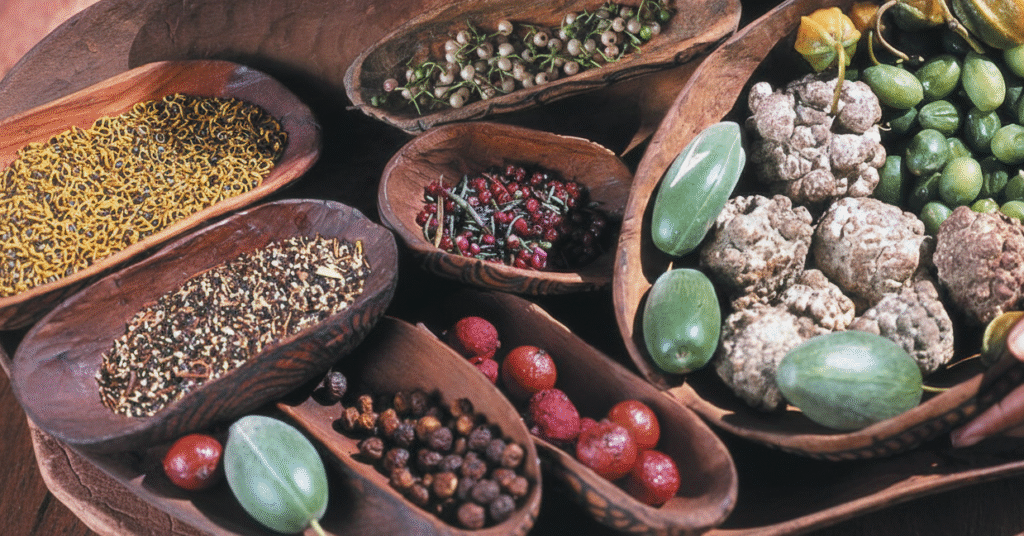
    1. Traditional Aboriginal Food (Bush Tucker)

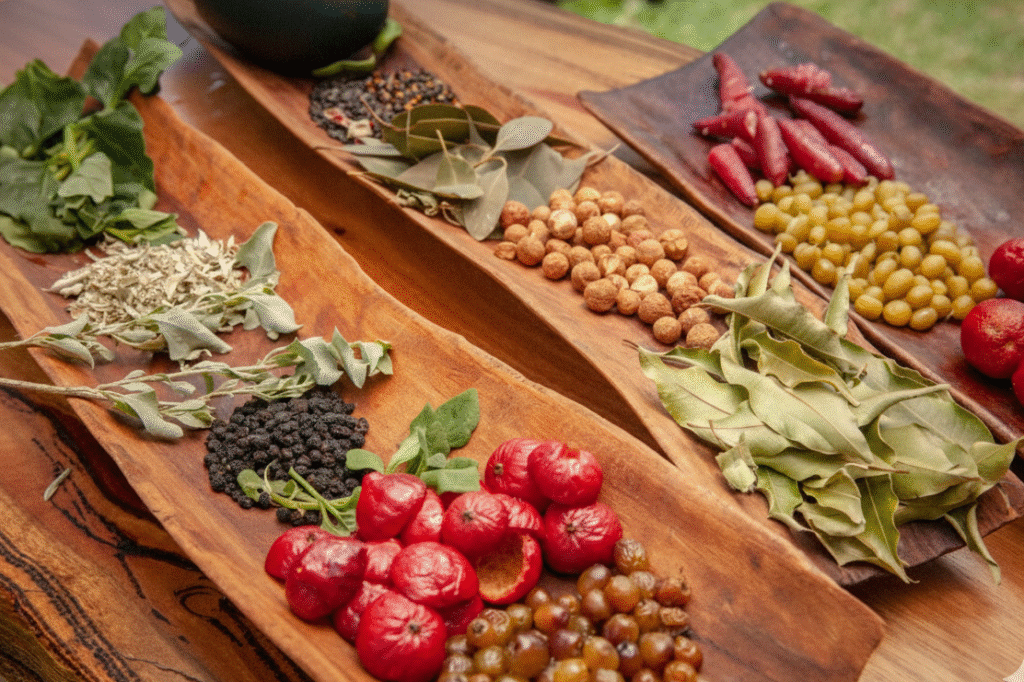
    For ages, the Aboriginal people of Australia lived off the land, using local plants, seeds, meats, and fruits. Lots of these ingredients like wattleseed, lemon myrtle, finger lime, and kangaroo are now showing up in restaurants everywhere.

    2. British and European Flavors

    When Europeans first settled in Australia, they brought things like pies, roasts, baked goods, and dishes made with dairy. These are still a big part of what people consider comforting food in Australia.

    3. Global Influences

    Australia today is a melting pot of cultures, with influences from Italian, Greek, Chinese, Vietnamese, Middle Eastern, Thai, Indian, and African communities shaping its food scene. This has resulted in a cuisine that feels both familiar and unique, offering a comforting yet inventive culinary experience.

    Must-Try Iconic Australian Foods

    Australia boasts a rich and varied food culture, featuring several signature dishes. Here are some of the most well-known:

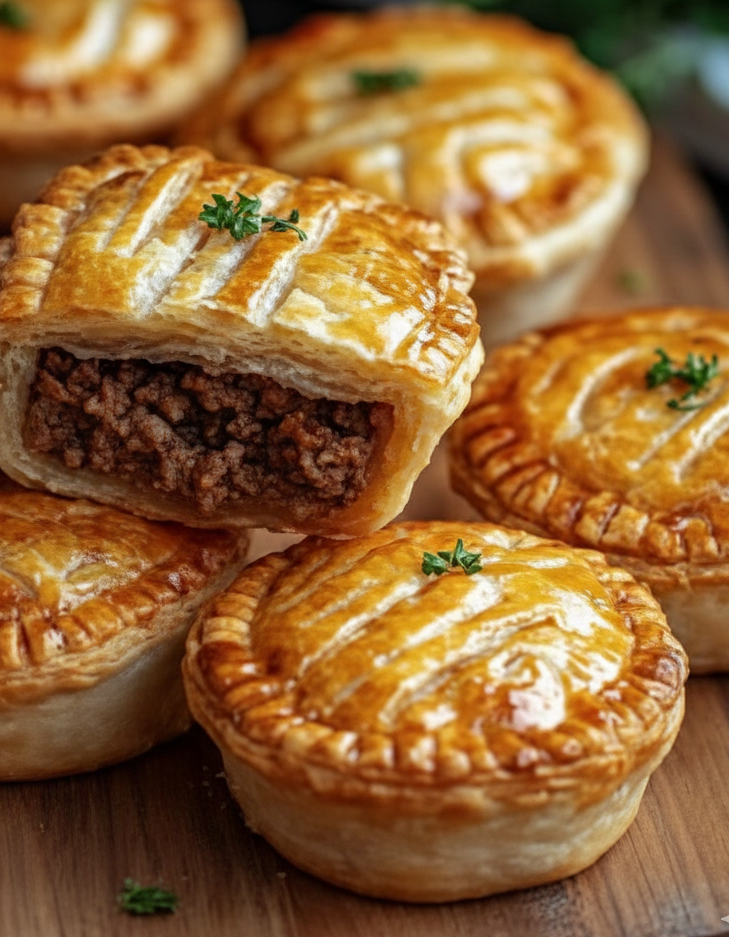
    1. Meat Pie

    Australian cuisine

    This quintessential Australian comfort cuisine typically contains minced beef, gravy, and onions, often with the addition of cheese. It’s a popular choice at sporting events and local bakeries.

    Suggested places to sample:

    Harry’s Café de Wheels in Sydney

    Pie Face, with numerous locations

    2. Vegemite on Toast

    Vegemite is a quintessential Australian spread. Its distinctive salty, savory taste is a hit with locals, though it can be an acquired taste for visitors but it’s definitely worth a try!

    3. Barramundi

    This delicious white fish is a cornerstone of Australian coastal cooking. It’s commonly prepared by grilling, pan-frying, or served with a lemon butter sauce.

    Australian cuisine

    Suggested places to sample:

    Catalina in Sydney

    Rick Shores on the Gold Coast

    4. Lamingtons

    These are soft sponge cakes covered in chocolate and desiccated coconut. They are a simple, sweet treat deeply embedded in Australian culinary tradition.

    5. Pavlova

    This dessert, made from meringue and topped with cream and fruit, is considered a national treasure, although the origin debate between Australia and New Zealand continues.

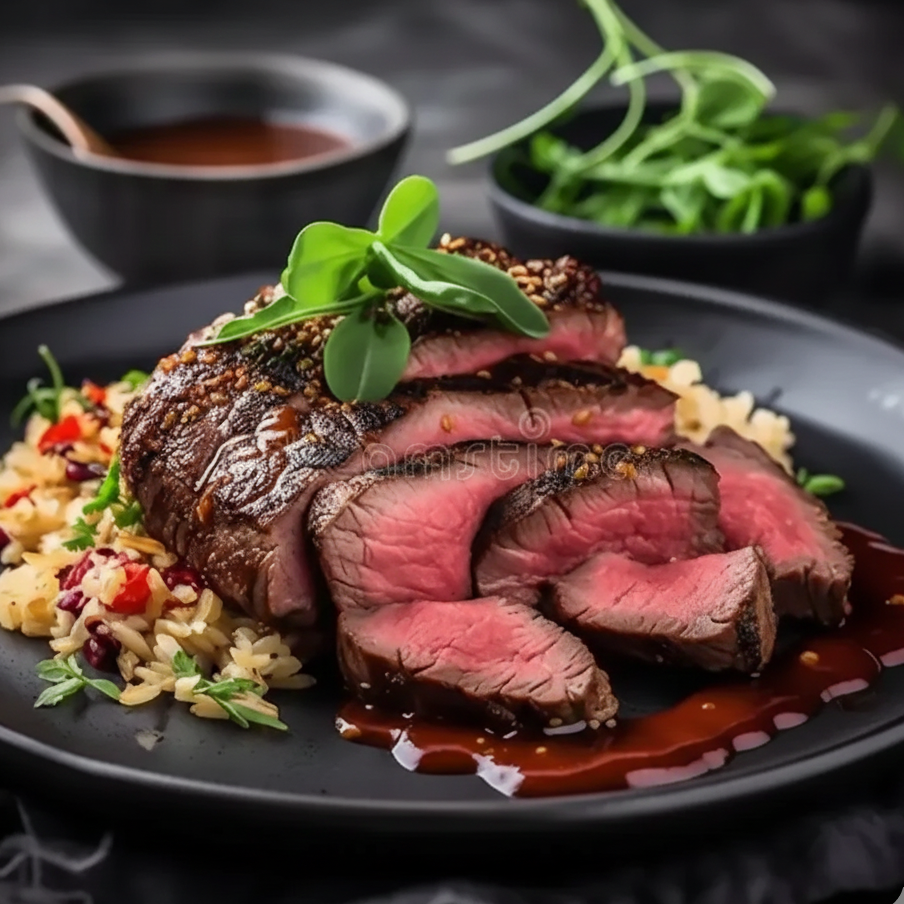
    6. Kangaroo Steak

    Kangaroo meat is a lean, flavorful, and protein-rich option. It’s frequently grilled or featured in sophisticated dishes at upscale restaurants.

    7. Tim Tams

    These are Australia’s most popular chocolate biscuits. A fun way to enjoy them is the “Tim Tam Slam” with a hot coffee!

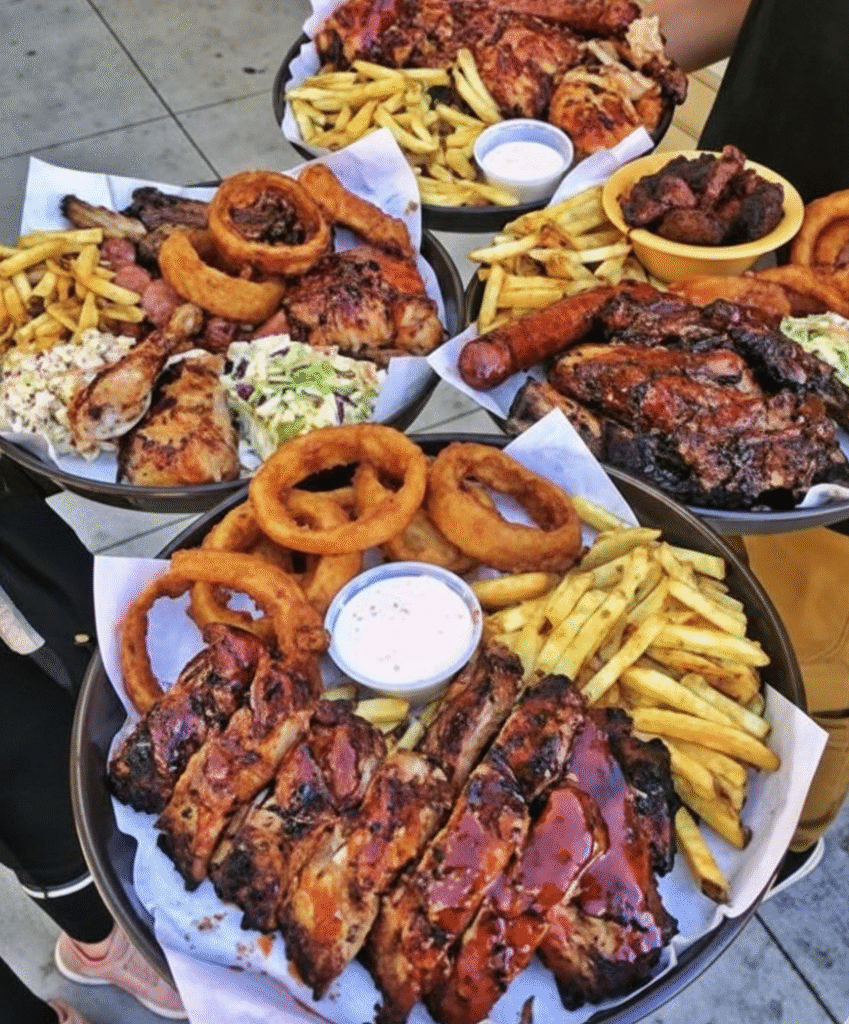
    8. Aussie BBQ

    Barbecues are a beloved pastime in Australia, with sausages, prawns, steaks, lamb chops, and skewers being popular weekend fare.

    9. Fish and Chips

    Given Australia’s extensive coastline, seafood plays a significant role in its cuisine. Enjoying crispy fish and chips by the sea is a classic Australian experience.

    Indigenous Bush Tucker: Traditional Flavors Rediscovered

    Australian cuisine

    Australian cooking is increasingly incorporating ingredients from indigenous bush foods,

    Quandong is a delicious native Australian fruit often found in jams and desserts. More and more restaurants are now highlighting Australia’s Indigenous food traditions, mixing old ways with new ideas.

    Australia’s Culinary Gems:

    Top Restaurants for Genuine and Contemporary Food.Australia boasts a lively and varied food scene that’s known worldwide. Here are the must-visit spots for an amazing food journey.

    Top Restaurants in Sydney

    1. Quay

    This is one of Australia’s most acclaimed upscale restaurants, famous for its innovative plates and gorgeous views of the Harbour.

    What it’s known for:
    • Snow Egg dessert
    • Modern Australian tasting menus

    2. Bennelong

    Found within the Sydney Opera House, Bennelong offers elegant Australian cuisine with strong tastes.

    Must-tries:
    • Sydney rock oysters
    • Beef short rib
    • A new take on Pavlova

    3. Firedoor

    All food here is prepared over an open fire, infusing the dishes with a unique smoky richness.

    What to expect:
    • Wood-fired seafood
    • Dry-aged steaks

    Top Restaurants in Melbourne

    1. Attica

    Considered one of the world’s leading restaurants, Attica features native Australian ingredients and imaginative cooking.

    Don’t miss:
    • Kangaroo tail
    • Native herbs and flowers
    • Creative tasting menu

    2. Chin Chin

    This energetic place serves up vibrant Thai-Australian fusion meals packed with flavor.

    Fan favorites:
    • Sticky pork
    • Pad seuw
    • Kingfish sashimi

    3. Vue de Monde

    Experience high-end dining with spectacular panoramic views of Melbourne’s cityscape.

    Here’s what makes some places stand out:
    •  Seasonal tasting menus
    •  Unique Australian ingredients

    Top Restaurants in Brisbane & Gold Coast

    1. Rick Shores (Gold Coast)

    Enjoy a meal right on the beach with Asian-Australian fusion and fresh seafood.

    You’ve got to try:
    • Bug roll
    • Crispy fish

    2. Gerard’s Bistro (Brisbane)

    This place offers modern Middle Eastern flavors.

    Top Restaurants in Perth

    1. Wildflower

    Found in Perth’s Como Hotel, this spot highlights native Australian ingredients.

    Give these a go:
    •  Marron
    •  Dishes flavored with native herbs

    2. Long Chim

    A vibrant Thai eatery that’s famous worldwide.

    Top Restaurants in Adelaide

    1. Orana

    They’re known for celebrating Indigenous ingredients and tastes.

    2. Africola

    This lively African-inspired restaurant serves up bold, smoky food.

    Top Restaurants in Tasmania

    1. Franklin (Hobart)

    A restaurant that cooks with wood fire, serving seasonal Australian cuisines using local ingredients.

    2. Stillwater (Launceston)

    Offers a high-end dining experience featuring Tasmanian seafood and produce.

    Street Food and Casual Bites in Australia

    Australia also has great street food and casual dining options. Some popular choices are:

    •  Sausage sizzle (you’ll find these at markets and fundraisers)
    •  Bao buns
    •  Food truck burgers
    •  Fresh seafood at places by the coast
    •  Asian-style noodles and dumplings

    Because of its diverse population, you can taste authentic flavors from all over the globe think Vietnamese pho, Greek gyros, Italian gelato, Indian curries, Korean BBQ, and lots more.

    Best Food Markets in Australia

    If you want to dive into the local food scene, make sure to check out these markets:

    •  Queen Victoria Market (Melbourne)
    •  Sydney Fish Market
    •  Fremantle Markets (Perth)
    •  Salamanca Market (Hobart)
    •  Adelaide Central Market

    These markets have everything from fresh produce to fancy artisan foods and snacks from different cultures.

    My Thoughts:

    These flavorful dishes invite visitors to experience Australia through taste, memory and tradition making the culinary journey as unforgettable.

  • Traditional Norwegian Cuisine

    Traditional Norwegian Cuisine

    A Culinary Journey Through Norway

    Norway is famous not just for its breathtaking fjords and the mesmerizing northern lights. It also has a lively culinary scene that beautifully blends age old preservation methods with contemporary cooking styles.The flavors of Norwegian cuisine are incredibly diverse, ranging from fresh Arctic seafood to hearty mountain stews.

    This variety reflects the country’s creativity and resilience, all while paying homage to its stunning natural surroundings.

    Exploring Norway’s culinary landscape feels like embarking on a cultural adventure. Each dish tells a story shaped by the nation’s dramatic geography and rich history. Whether you’re wandering the charming streets of Bergen or taking in the views over Geirangerfjord. The food experience truly captures the heart and soul of Norway.

    Brunost:

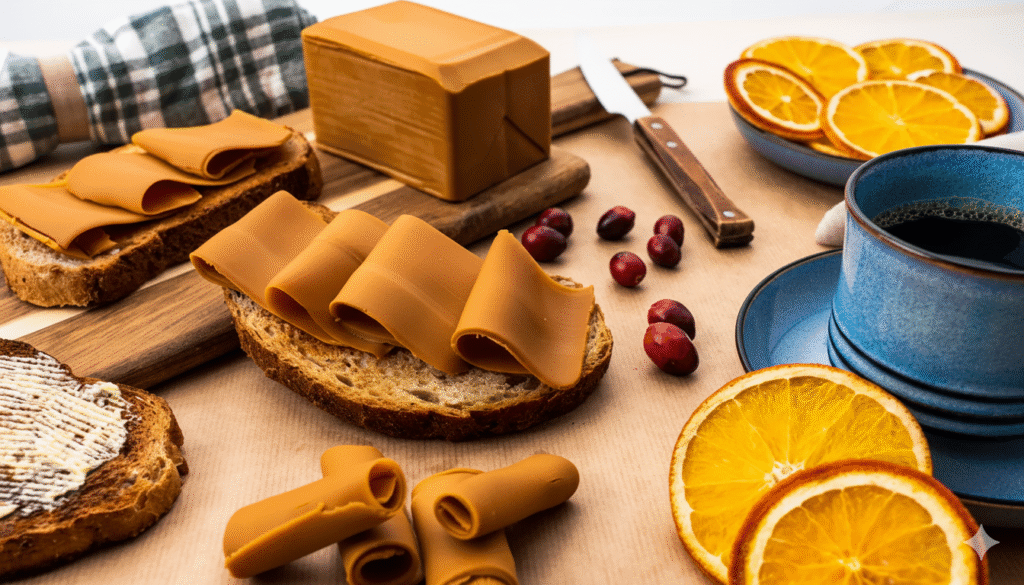
    Brunost or “brown cheese” is a cherished Norwegian delicacy known for its caramel like flavor and creamy texture. Made from a blend of cow’s and goat’s milk, it is heated and reduced to create a sweet, slightly tangy cheese.

    Its deep amber color makes it a standout on cheese boards, and it is commonly enjoyed in Norwegian households on crispbread or with fruit. Brunost’s unique taste, derived from the Maillard reaction during cooking, has gained international appeal, making it a popular specialty in gourmet shops and a representation of Norwegian culture.

    Prime Spots For Brunost:

    For those seeking to enjoy exceptional Brunost (brown cheese) at a restaurant or cafe in Norway. Both locals and visitors highly recommend the following establishments.

    • Haralds Vaffels in Olaf Ryes Plass 3, 0552 Oslo, Norway.
    • Vaffelvogna in  Karl Johans gate 8, 0154 Oslo, Norway.

    Lefse:

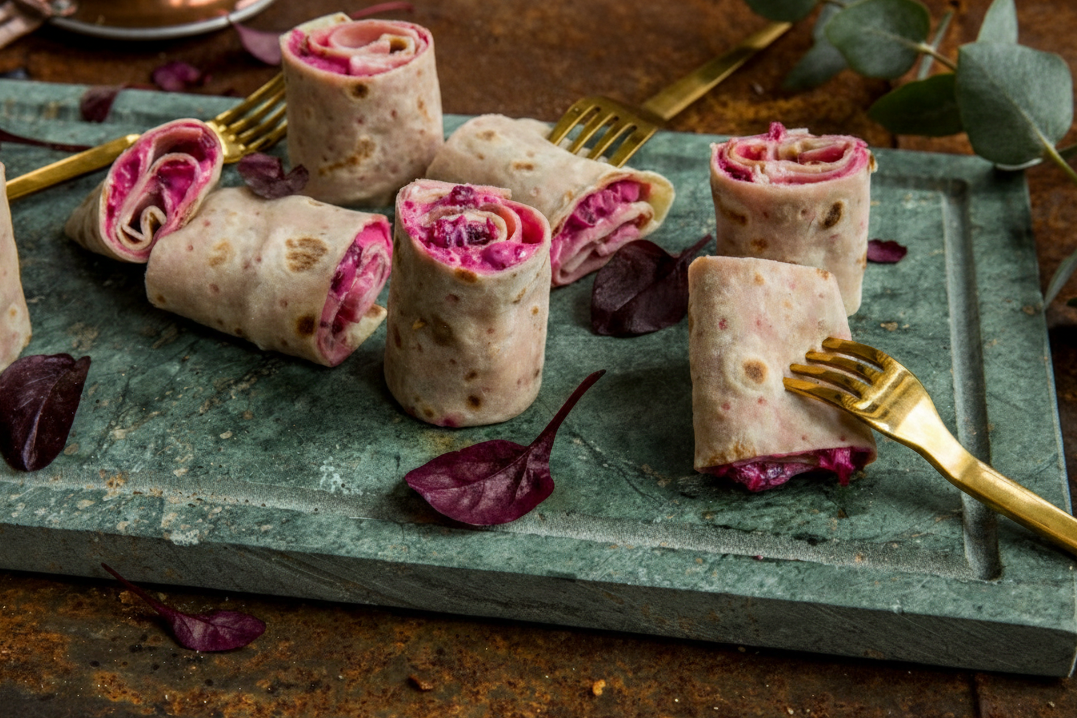
    Norwegians value Lefse as a traditional delicacy recognized for its soft texture and comforting flavor, crafted from potatoes, flour, butter, and cream. They roll it out thin. They cook it on a griddl. People commonly served with butter, sugar, or cinnamon.
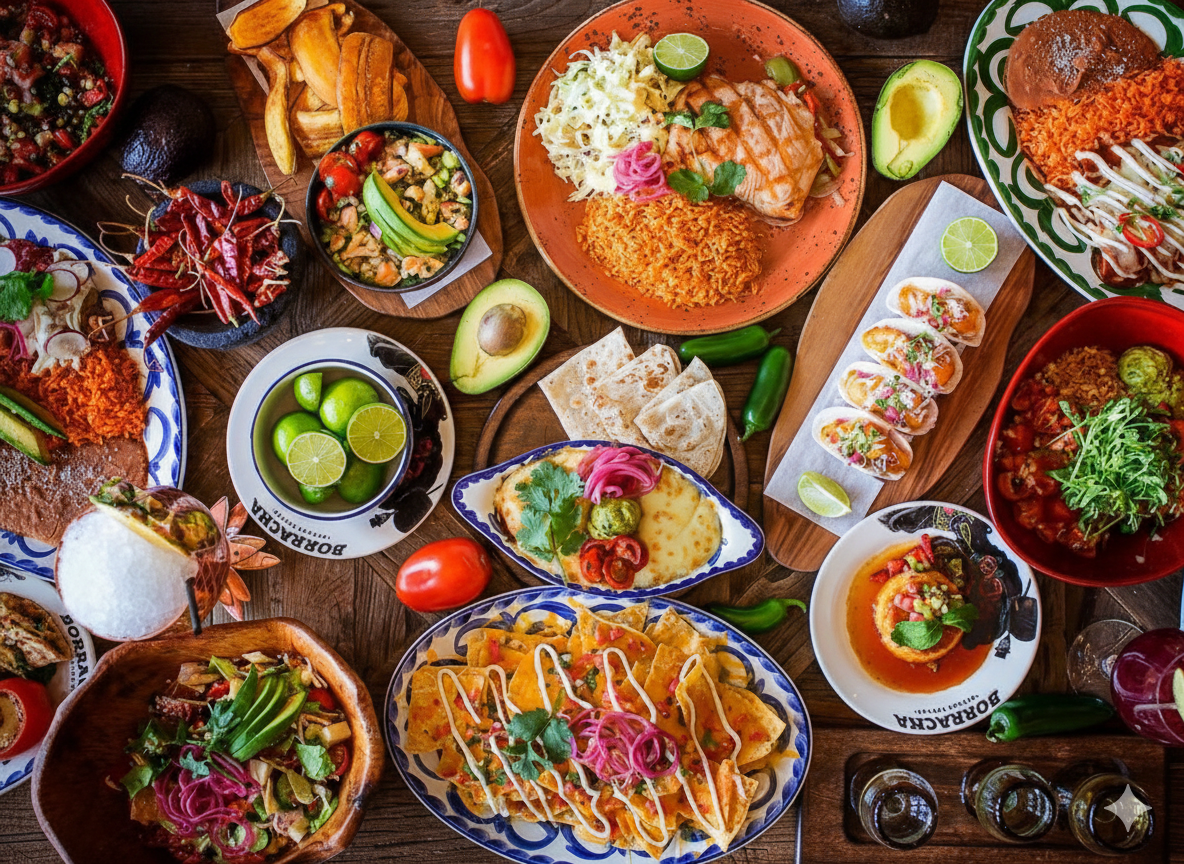
    Various regions in Norway present their own interpretations, with Eastern Norway tending towards sweeter varieties while the west showcases larger, rustic versions. Celebrated as a representation of Norwegian heritage and home baking, lefse remains a staple during holidays, family gatherings and festive markets, making it a nostalgic favorite among Norwegians and a recommended experience for visitors.

    Prime Spot For Lefse:

    Several cafes and restaurants in Norway are renowned for serving this traditional dish, alongside other classic Norwegian cuisine, as opposed to merely offering grocery-store or homemade varieties. Below are a few establishments frequently recommended as reliable choices for enjoying Lefse.

    • Steinsto Frukt in Fyksesundvegen 768, 5612 Steinsto, Norway.
    • Leveld Lefsebakeri in Nordbygdvegen 793, 3570 Al, Norway.

    Smoked Salmon:

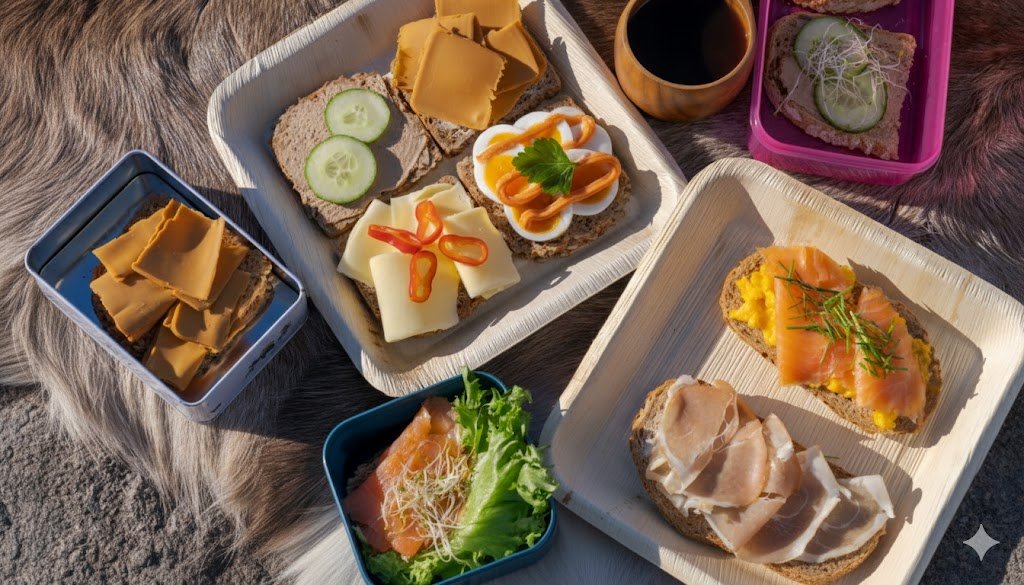
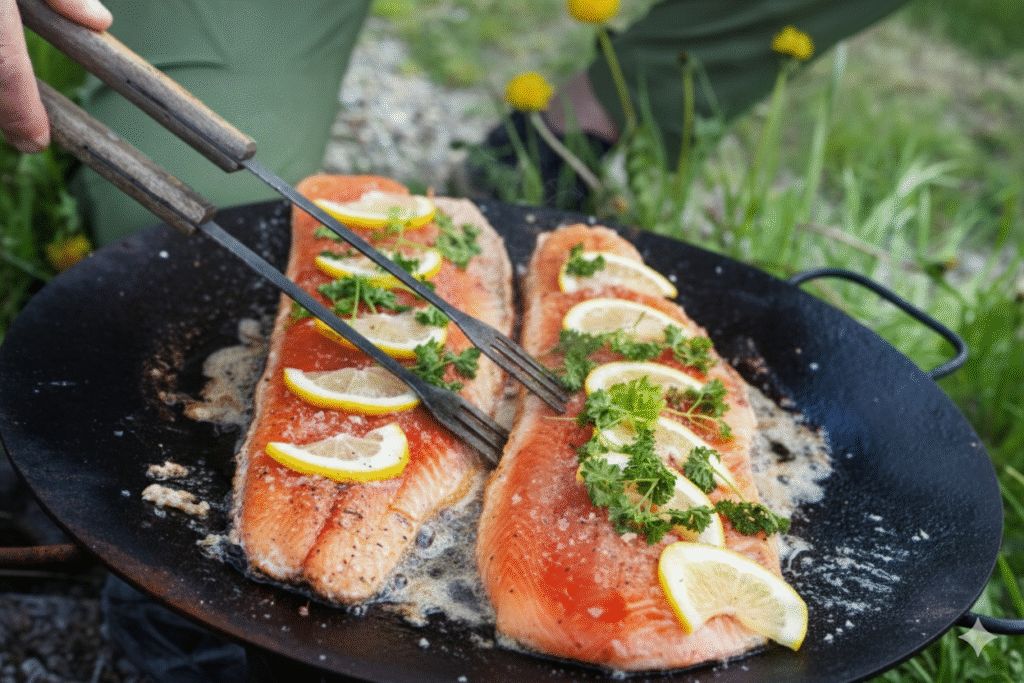
    Norwegian highly regard smoked salmon also known as rokt laks, as a delicacy. Its robust flavor appeals to many food lovers firm texture, and refined smokiness set it apart. Sourced from the pristine fjords of Norway.

    Norwegian food

    Producers traditionally cold-smoked it over wood, resulting in a subtle and clean taste. Renowned both domestically and internationally. Chef’s commonly serve it in sandwiches, salads, or as an upscale appetizer. It represents Norway’s esteemed seafood tradition.

    Prime Spot For Smoked Salmon:

    these restaurants offer exceptional smoked salmon in Norway. They rank among the finest and most renowned for seafood, particularly salmon, rokt laks, and gravlaks.

    • The Salmon in  Strandpromenaden 11, 0252 Oslo, Norway.
    • Engebret Cafe in Bankplassen 1, 0151 Oslo, Norway.

    Pinnekjott:

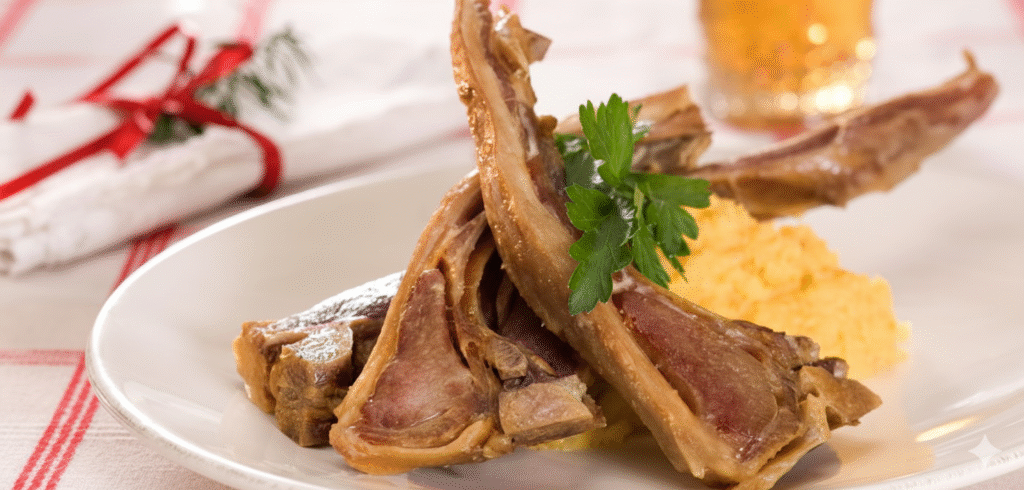
    Pinnekjott is a highly regarded traditional dish in Norway, particularly recognized as a Christmas specialty in the western and northern regions. This dish consists of salt-cured and dried lamb ribs, which are traditionally steamed over birch sticks.

     Its rich, savory flavor and tender texture hold significant cultural importance, often associated with family gatherings and long-standing holiday traditions. For many Norwegians, pinnekjott transcends being merely a meal.It represents a symbol of heritage, regional identity, and the lasting flavors of rural Norwegian cuisine.

    Prime Spot For Pinnekjott:

    Below is a selection of renowned restaurants in Norway where you can enjoy quality Pinnekjott, complete with their addresses, featuring a curated list of top choices in Bergen and Oslo.

    • Wesselstuen in Ovre Ole Bulls plass 6, 5012 Bergen, Norway.
    • Gamle Raadhus in Nedre Slottsgate 1, 0151/0157, Oslo, Norway.

    Farikal:

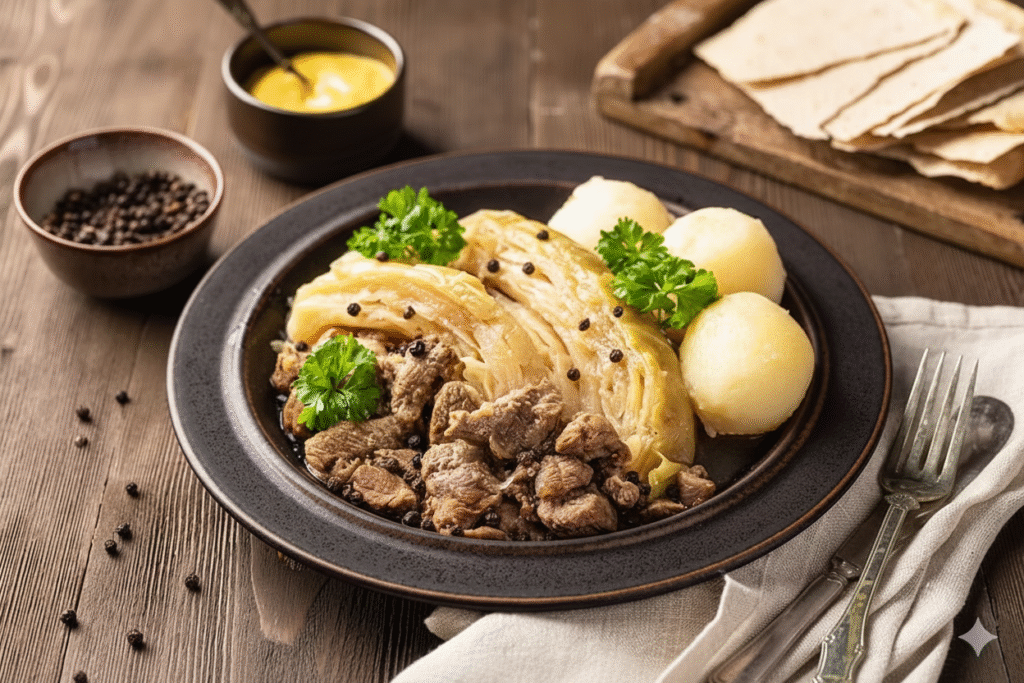
    Norwegians consider Farikal as thier national dish. People know it for its simple preparation.Its rich flavor makes it widely loved.This dish holds the strong cultural significance. This dish features slow cooked lamb or mutton layered with cabbage, black peppercorns, and salt, reflecting Norway’s rustic culinary traditions.

    Each autumn, families gather to enjoy Farikal as part of a seasonal tradition, highlighted by the annual Farikalens Festdag celebration. Its delicious taste derives its popularity. It represents Norwegian identity, evoking nostalgia and the warmth of communal home cooked meals.

    Prime Spot For Farikal:

    Below is a list of notable restaurants in Norway where you can experience authentic Farikal during the appropriate season.

    • Stortorvets Gjaestgiveri in Grensen 1, 0159 Oslo, Norway.
    • Kaffistova in Kristian IVs gate 2, 0164 Oslo, Norway.

    Fiskekaker:

    Fiskekaker are a beloved staple of traditional Norwegian cuisine, characterized by their mild flavor, soft texture, and versatility. Made from finely ground white fish like cod, pollock, or haddock, mixed with milk, flour, and light seasonings, they reflect the simplicity of coastal Norwegian cooking.

    Unlike special occasion dishes, fiskekaker are commonly found in supermarkets and school lunches, making them a regular part of everyday life for families across the country. Their widespread appeal is rooted in Norway’s maritime heritage, where fish is a vital food source, and for many Norwegians, these cakes evoke comfort and nostalgia associated with home-cooked meals.

    Prime Spot For Fiskekaker:

    Here are some best spots for Fiskekaker in Norway that you should must visit

    • Sostrene Hagelin in Strandgaten 3, 5013 Bergen, Norway.
    • Damsgardstuene in Damsgardsveien 120, located in the Laksevag district of Bergen.

    Raspeballer:

    Raspeballer, also known as komler, kumler, or potetball, is a traditional Norwegian comfort food with deep roots in rural heritage. These potato dumplings, made from grated potatoes and flour, often include salted meat and were originally staples for farming and fishing communities.

    Today, rasballer remain popular, especially in western Norway, where many restaurants celebrate a weekly “komledag” dedicated to the dish. Their enduring appeal is linked to cultural significance, nostalgic flavors, and community connections, making them a cherished representation of home cooked, traditional cuisine that reflects regional identity and familial heritage.

    Prime Spot For Raspeballer:

    Here are some of the best and most recommended spots in Norway where you can try authentic Raspeballer  including restaurants with good reputation for serving traditional versions

    • Bryggeloftet & Stuene in Bryggen 11, 5003 Bergen, Norway.
    • Kumlegaarden Resturant in Niels Carlsens gate 11, 1440 Drobak, Norway.

    My Thoughts:

    These traditional dishes invite visitors to experience Norway through taste, memory and tradition making the culinary journey as unforgettable as the landscapes themselves.

  • Explore Famous Mexico’s  Street Food

    Explore Famous Mexico’s Street Food

    Street Food Quest Of Mexico

    Mexican food has an amazing history that's a mix of Indigenous traditions and global influences

    History About Food:

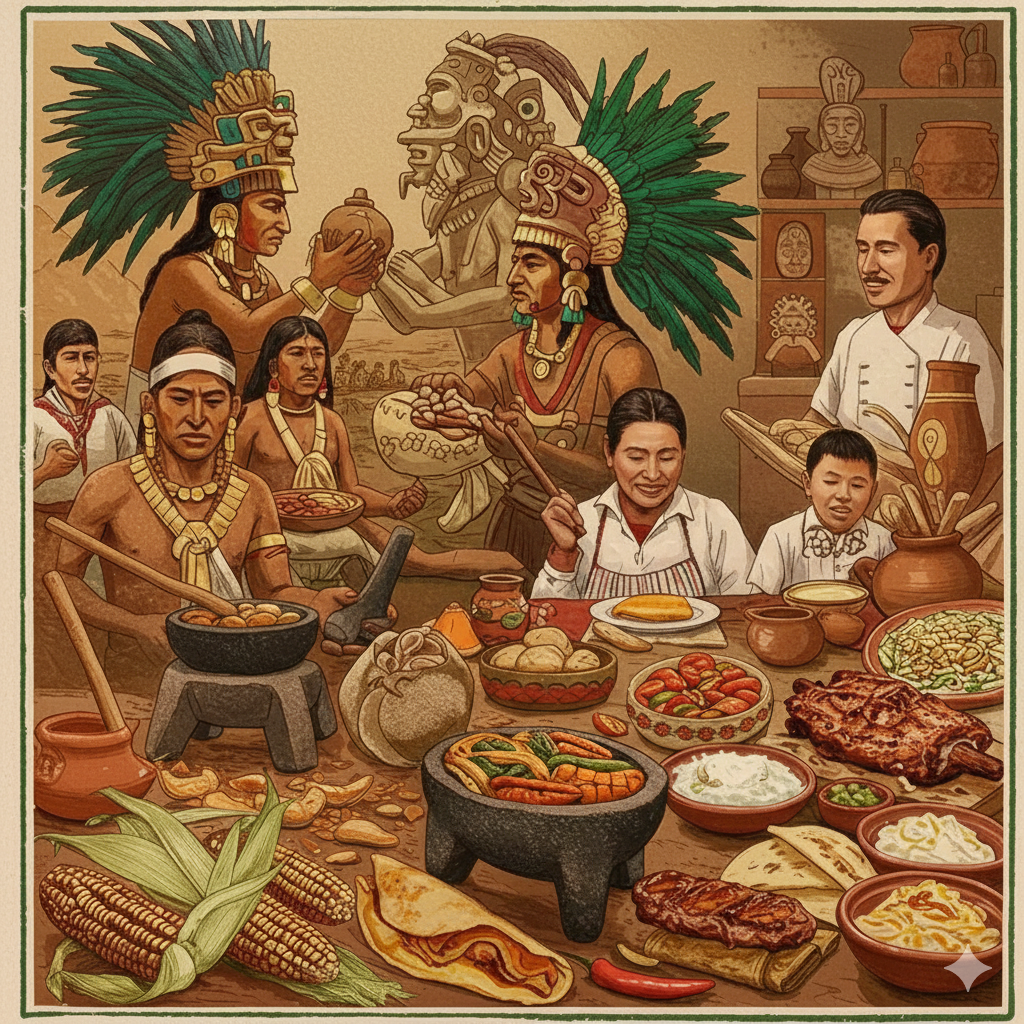
    Mexican food has an amazing history that’s a mix of Indigenous traditions and global influences. Way before the Spanish showed up, the Maya and Aztecs were already whipping up delicious meals using things like corn, beans, chilies, squash, cacao, and tomatoes. They had some cool cooking techniques too, like nixtamalization and stone grinding, which helped them make tortillas and tamales.

    history of mexican food

    Then the Spanish arrived in the 16th century and brought along rice, wheat, dairy, and new meats.Which mixed with Indigenous cookingto create popular dishes like tacos, stews, moles, and salsas. Over the years, different regions added their own unique flavors. Making Mexican food famous all over the world for its rich taste and deep history.

    Famous Cuisines Of Mexico:

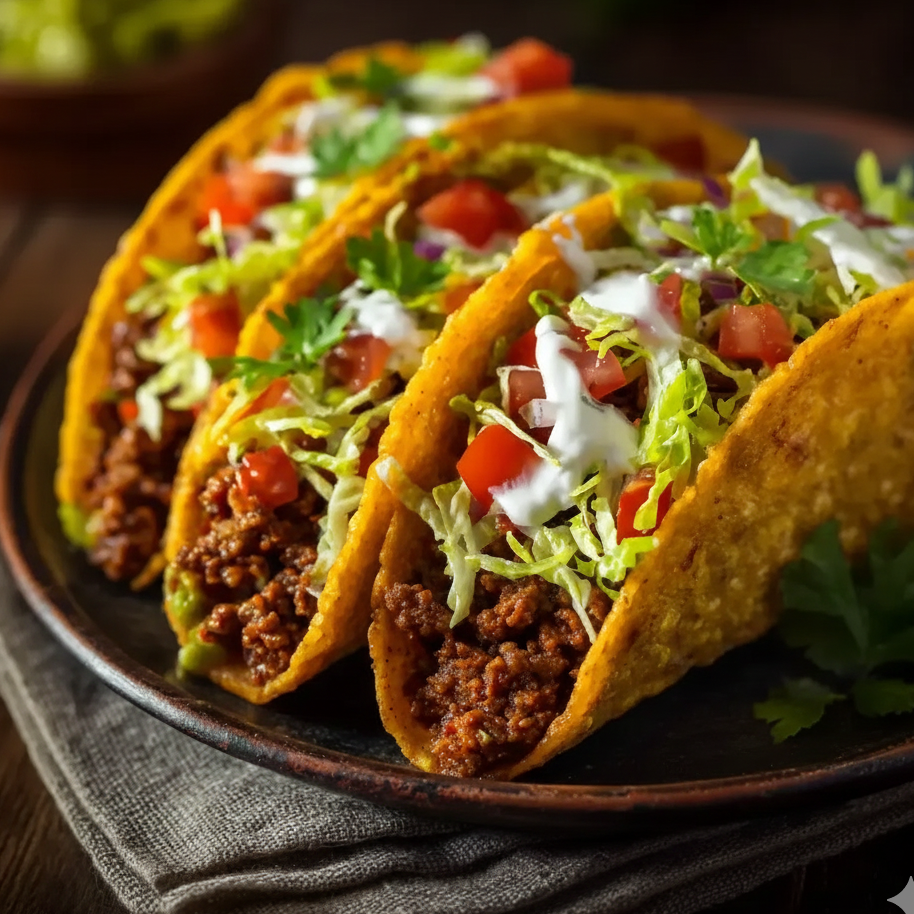
     Tacos:

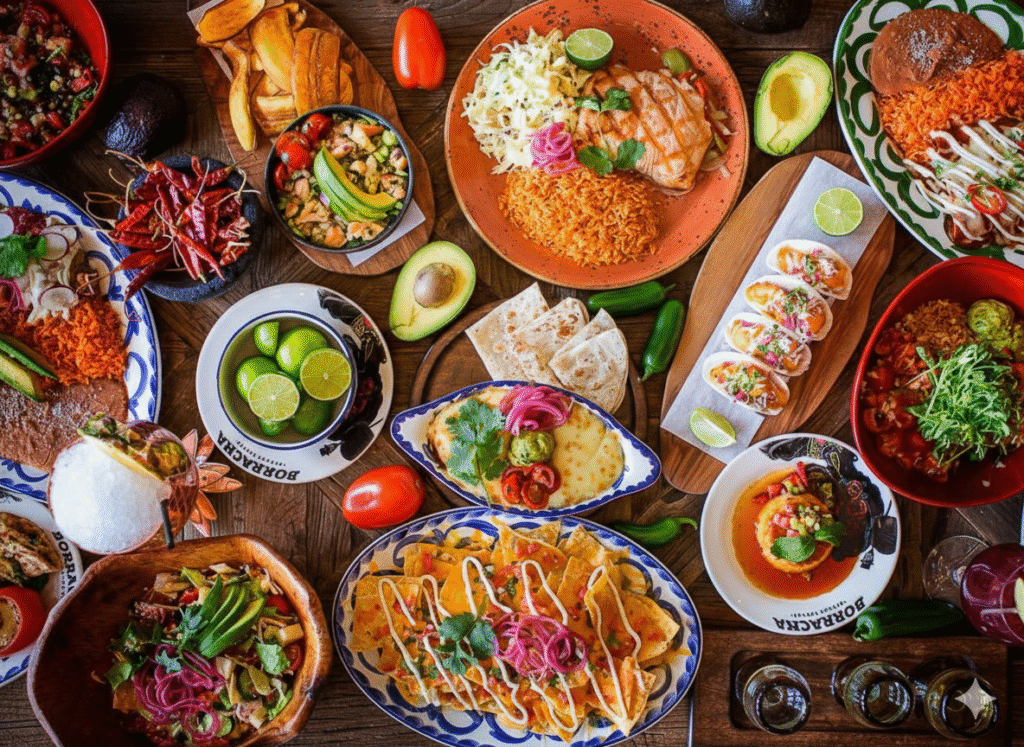
    Tacos are super famous in Mexico, and it’s easy to see why. They’re basically soft corn tortillas stuffed with yummy seasoned meats, fresh toppings, and zesty salsas.

    famous cuisine of mexico

    The whole taco thing goes way back to ancient Indigenous cultures that used tortillas like little utensils to scoop up food. Then when the Spanish came along, they brought new meats like pork and beef, which led to classic fillings like carnitas, barbacoa, and al pastor. As time went on, different regions in Mexico created their own taco styles, each with its own awesome flavors, making tacos a beloved part of Mexican street food and culture.

    Best Spot:

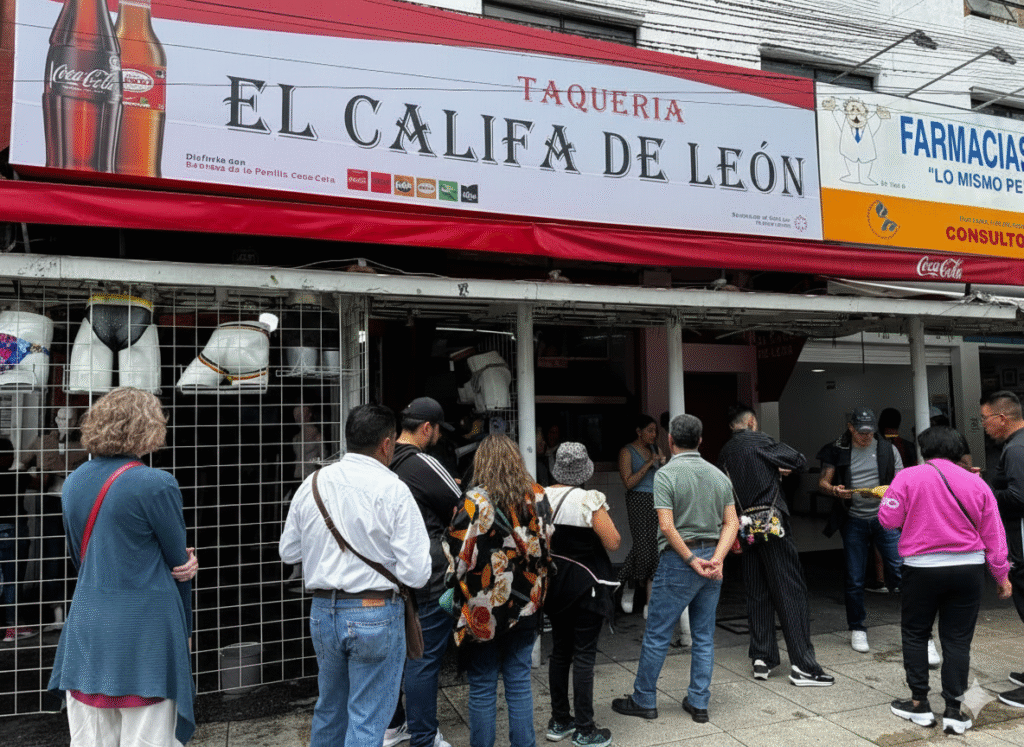
    So, back in 1968, Juan Hernandez Gonzalez started Taqueria El Califa de Leon, inspired by the famous bullfighter Rodolfo Gaona. Even though it was a small and pretty basic spot, they really nailed it with their quality ingredients and traditional cooking styles. Fast forward to 2024, and they totally made history by earning a Michelin star, becoming the first taco stand in Mexico to get that kind of recognition.

    Taqueria El Califa de Leon is famous for its straightforward but amazing tacos, especially the “Gaonera.” It features thinly sliced beef fillet that’s grilled just right and served on handmade corn tortillas. They also whip up some other delicious options like bistec (beef steak), costilla (beef rib), and chuleta (pork chop), all paired with two fresh salsas one green and one red.

     Torta:

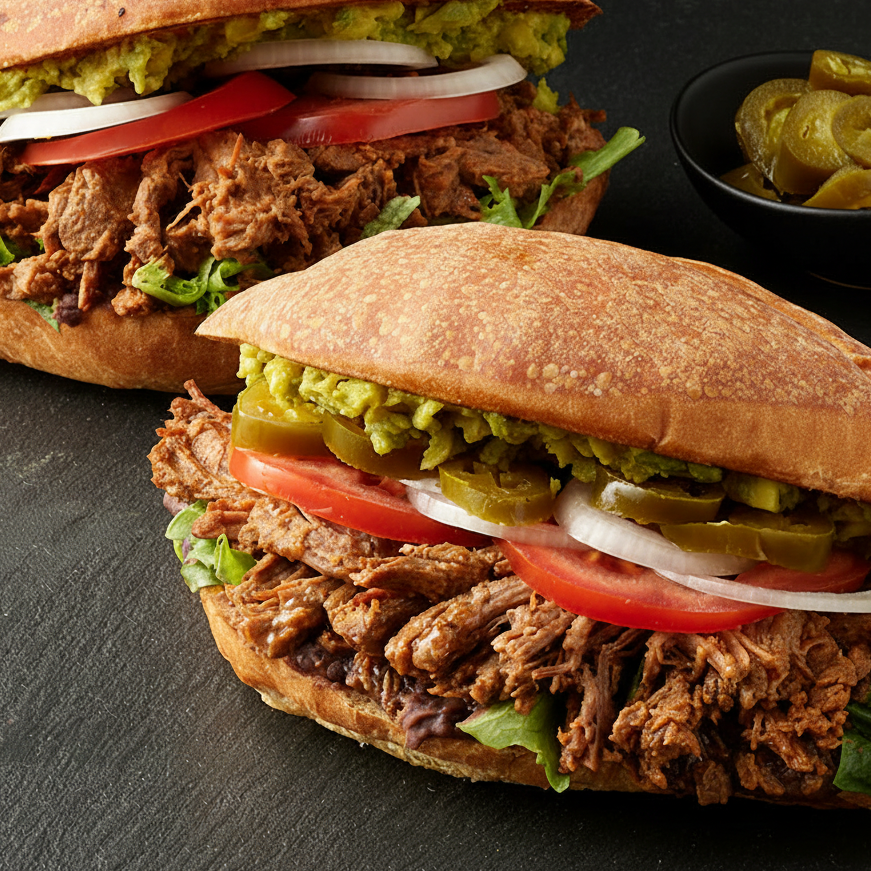
    The torta is a tasty mix of different culinary influences that started popping up in the late 1800s and early 1900s when Mexican chefs began putting their own twist on European bread. They added local ingredients and traditions, turning the torta into a cozy comfort food that really speaks to Mexican food’s culture. These days, it’s a delicious representation of Mexico’s diverse influences and its awesome street food scene.

    famous food of mexico

    The torta is a beloved Mexican street food, consisting of a crispy roll filled with various ingredients such as meats, cheeses, and avocado. Its versatility allows for regional variations, with each area of Mexico offering unique twists like Puebla’s cemita and Guadalajara’s torta ahogada. Mexico city’s torta de tamal, a popular breakfast option, exemplifies the dish’s adaptability and appeal.

    Best Spot:

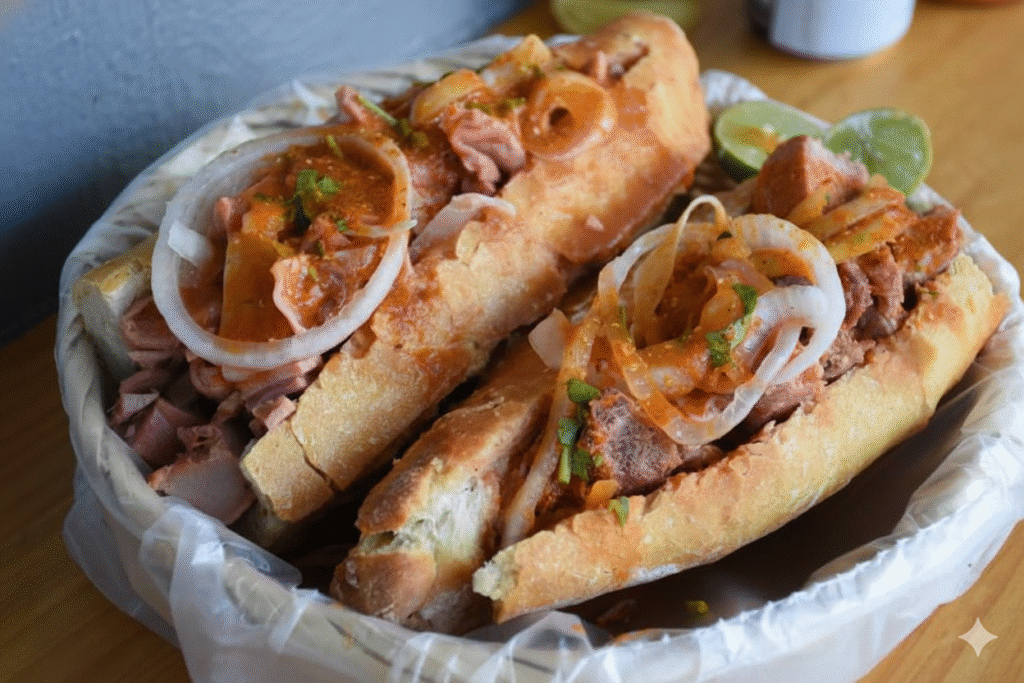
    If you’re looking for a great spot to grab a torta in Mexico, you can’t go wrong with Tortas Tono in Guadalajara, Founded back in 1990 as a tiny stand in Colonia Providencia with just a couple of folks running it, Tortas Tono has really taken off and become a beloved local chain with several spots all over the city.

    Tortas Tono in Guadalajara is super famous for its torta ahogada. They make this amazing sandwich made with crunchy, salty birote bread. Then they stuffed it with pork cuts like buche, carnitas, lengua, and costilla. They drench the sandwich in a spicy tomato-chile sauce.

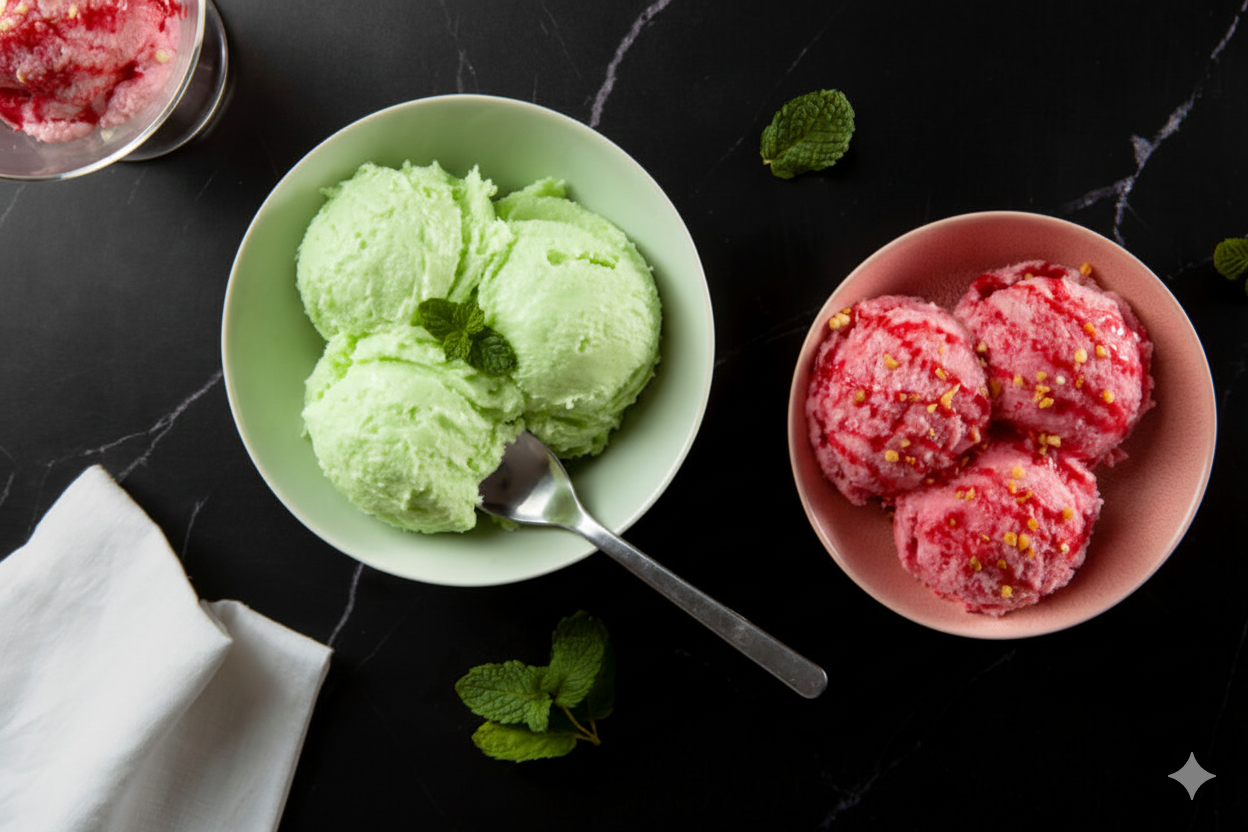
      Raspados & Nieves:

    They are traditional Mexican street desserts with rich histories and unique flavors.

    Raspados consist of finely shaved ice topped with vibrant fruit syrups and customizable extras like chili powder and condensed milk.

    famous mexican food

    Artisans hand-churn Nieves, especially the traditional nieve de garrafa. They create a smooth creamy texture through this method. They often use flavors like Oaxaca-style chocolate and guava.

    Their roots date back to pre-Hispanic times when indigenous people mixed ice with fruits and honey, a practice later enhanced by Spanish methods. Today, both desserts are emblematic of Mexico’s cultural heritage, showcasing regional fruits and street-food traditions.

    Best Spot:

    If you’re in Guadalajara, make sure to visit Nieves de Garrafa Chapalita for some tasty raspados and nieves de garrafa.They hand-churn their traditional, handmade “nieve de garrafa,”.They use a metal drum surrounded by ice and salt.

    This unique method results in a creamy, smooth texture that’s hard to resist. With over 30 flavors available, ranging from classic fruits to creative options like tequila and Nutella, there’s something for everyone. Locals consider it the perfect blend of tradition and modernity, especially during hot weather.

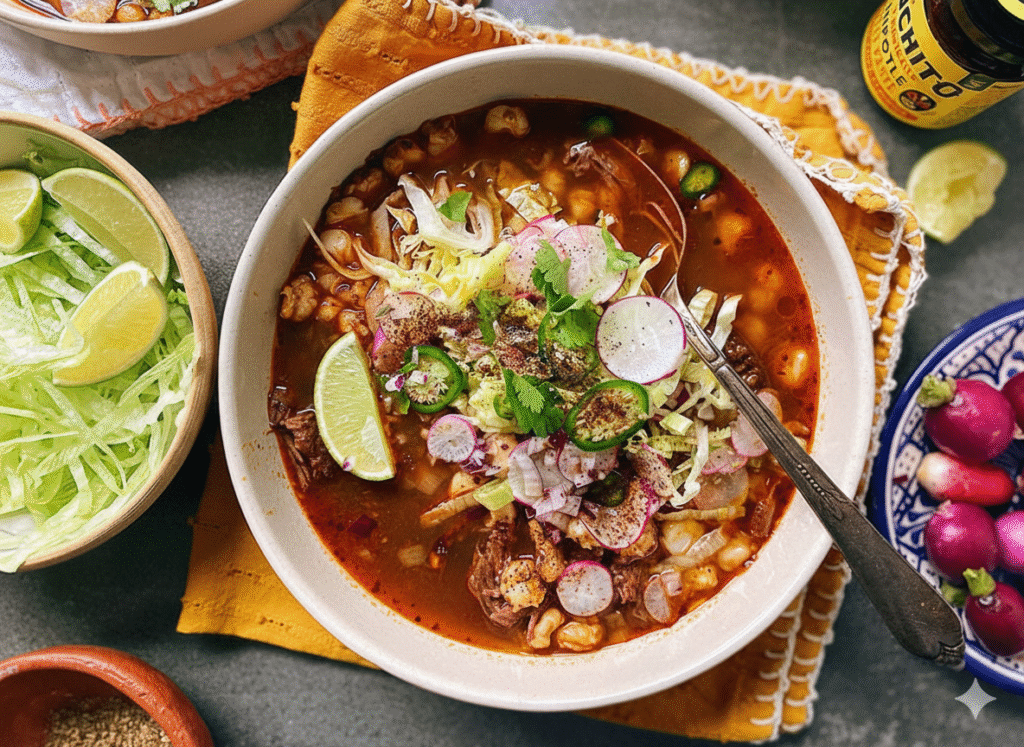
     Pozole:

    Pozole goes way back to pre-Hispanic times when the Mexica used to whip it up for ceremonies and special occasions. Over the years, the recipe changed a bit thanks to both indigenous and Spanish influences. Now, it’s a fun, communal dish that everyone in Mexico loves, especially during big celebrations like Mexican Independence Day and family meals on the weekends.

    famous food of mexico

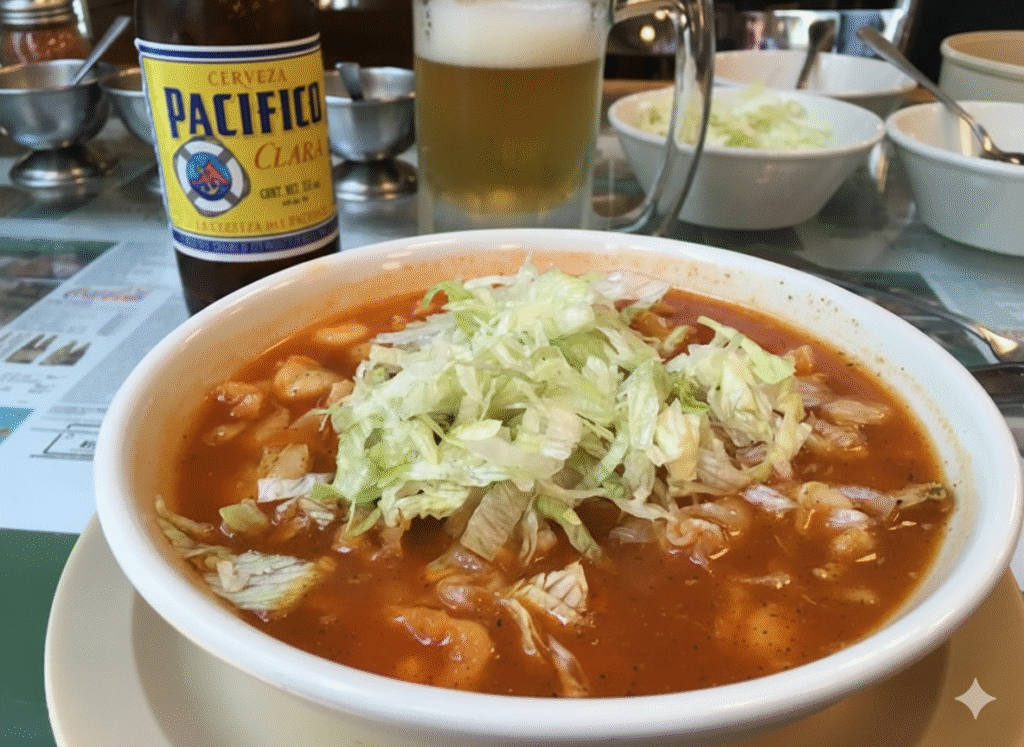
    Pozole is a beloved traditional Mexican dish known for its rich flavor and history, made with nixtamalized hominy corn simmered with pork, chicken, or pork shoulder. It comes in various styles, including rojo, verde, and blanco, each incorporating different chilies and herbs. To enhance its presentation and taste, pozole is served with vibrant toppings like lettuce, radish, onion, lime, oregano, and tostadas.

    Best Spot:

    La Casa de Tono in Mexico city is a renowned spot for pozole. Established in 1985 by Antonio Campos in his family’s home.

    The restaurant is celebrated for its cozy, family atmosphere. Patrons can enjoy generous bowls of pozole blanco or rojo. The pozole is topped with various fresh ingredients.

    It is known for being affordable, making it accessible to a wide range of customers. Over the years, La Casa de Tono has expanded into a beloved chain throughout the city. The restaurant embodies the warm, comforting experience of pozole, which is a significant part of Mexican food culture.

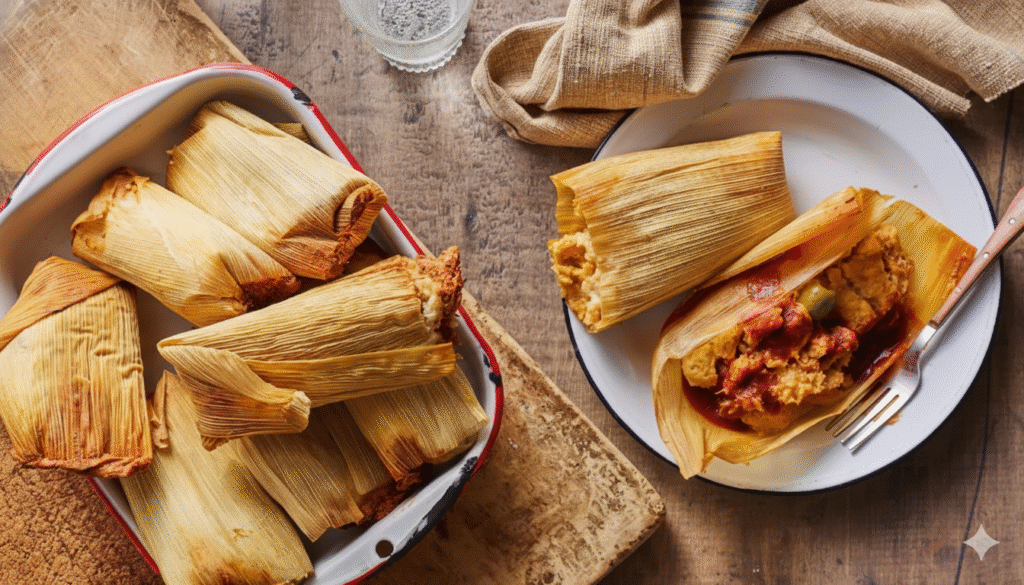
      Tamales:

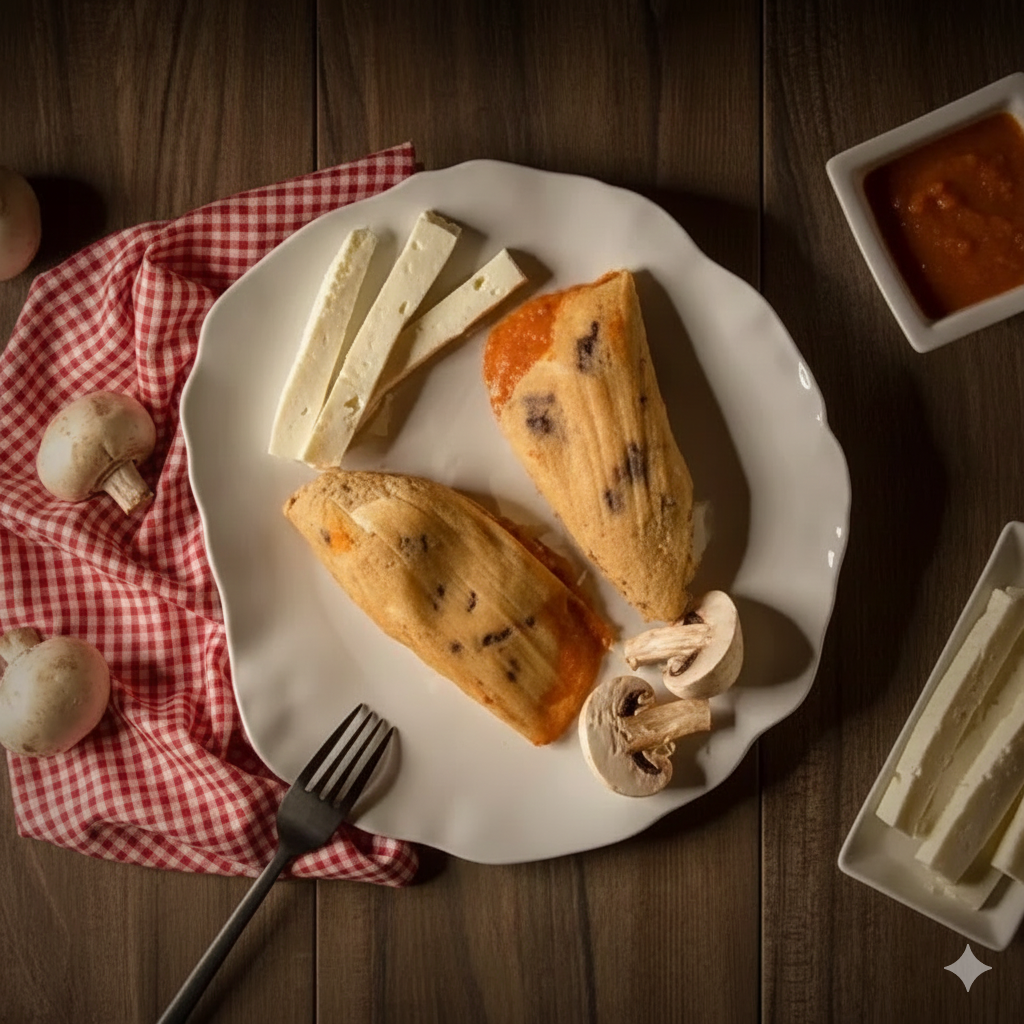
    Tamales are highly regarded in Mexico for their versatility and rich cultural heritage. Made from masa and filled with various ingredients, they are typically wrapped in corn husks or banana leaves and steamed. The fillings and styles of tamales can vary significantly by region, offering options from spicy pork to sweet corn.

    famous mexican food

    Historically, tamales date back to pre-Hispanic times, serving as convenient food for warriors and travelers. The introduction of new ingredients by the Spanish transformed tamales into a beloved staple of Mexican cuisine and celebrations.

    Best Spot:

    If you’re looking for a great spot to grab tamales in Mexico city check out Tamales Flor de Lis. Tamales Flor de Lis in Mexico City, established in 1917 by the Andrade Marroquín brothers. They offer authentic tamales made using traditional family recipes.

    They prepare their tamales with masa de maiz ground on a metate. The tamales wrapped in corn husk or banana leaf. They featuring a wide range of flavors from savory to sweet. This long-standing establishment is a must-visit for those looking to experience genuine Mexican culinary tradition.

    Conclusions:

    These are my awesome recommendations for diving into Mexico’s lively street food scene. These dishes and spots aren’t just about grabbing a bite. 

    Visiting these places, it feels like stepping into the colorful heart of Mexico. The sights, sounds, and smells coming together for an unforgettable experience. Once you try these foods, you won’t just like them. You’ll totally fall in love and keep coming back for more of Mexico’s amazing culinary delights.

  • Baking And Sweetness

    Baking And Sweetness

    A Tale Of Baking And Sweetness

    The tales of baking and sweetness,tips for baking and sweetness

    Baking is not merely a culinary skill, it represents a narrative rich in warmth, creativity, and lasting memories that endure long after the final bite. No matter if you are an experienced baker or on the other hand a novice embarking on your sweet journey.“A Tale of Baking and Sweetness” embodies an experience that encompasses enticing aromas, diverse textures, and emotions that unite individuals.

    This blog delves into the captivating world of baking, tracing its nostalgic beginnings to contemporary inspirations, while providing practical tips, valuable insights, and the sheer delight of crafting sweet treats at home.

    The Artistry of Baking:

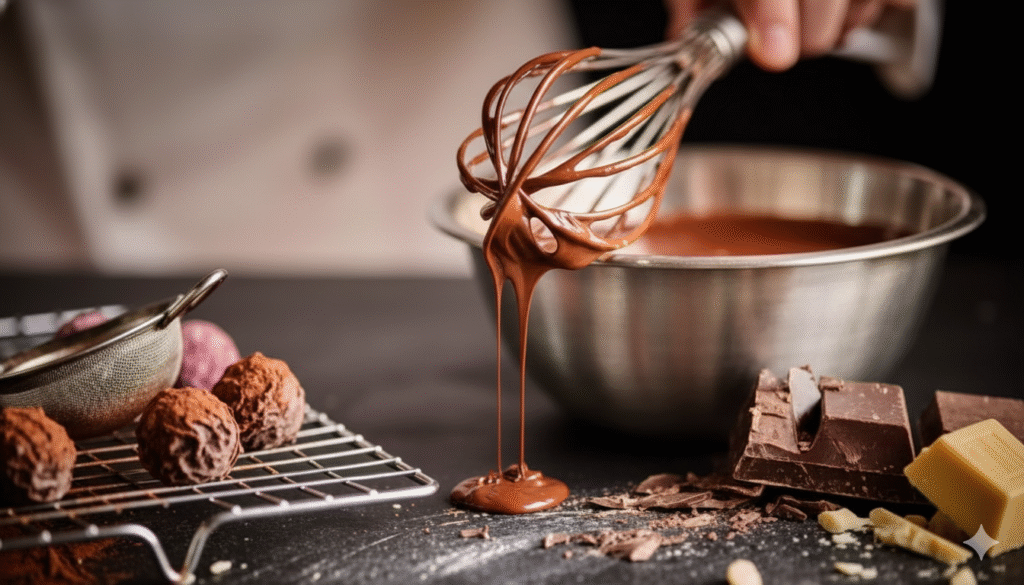
    Baking and sweetness possesses a distinctive ability to evoke deep emotions. For many, baking serves as a therapeutic ritual measuring, mixing, kneading, and decorating provide a sense of calm and joy.

    baking and sweetness

    The aroma of freshly baked cookies, warm cinnamon rolls, or fluffy sponge cakes often evokes cherished memories of childhood celebrations, family gatherings, or cozy winter evenings. These delightful scents narrate stories of love and connection, establishing baking as a universal expression of sweetness.

    A Historical Overview:

    The history of baking spans several centuries, beginning with ancient civilizations that utilized clay ovens for bread-making, and continuing through medieval kitchens that prepared pastries for nobility. Baking and sweetness has consistently played a vital role in human culture.

    The Ancient Foundations

    Early baking practices were centered around basic ingredients such as grains, honey, and nuts, which laid the groundwork for the development of cakes, pastries, and cookies.

    The Middle Ages and Renaissance

    With the expansion of trade and exploration in baking and sweetness, access to sugar, spices, and diverse flavors increased. This era saw the emergence of luxurious fruit cakes, sweet breads, and tarts-treats that represented affluence and celebration.

    Contemporary Baking

    In the present day, baking represents a fusion of tradition and innovation. Utilizing global ingredients, advanced tools, and inventive techniques, both home bakers and professionals are able to explore a vast array of options, ranging from rustic loaves to intricate pastries that resemble miniature works of art.

    The progression of baking reflects societal changes, yet one constant remains the joy of sweetness unites individuals.

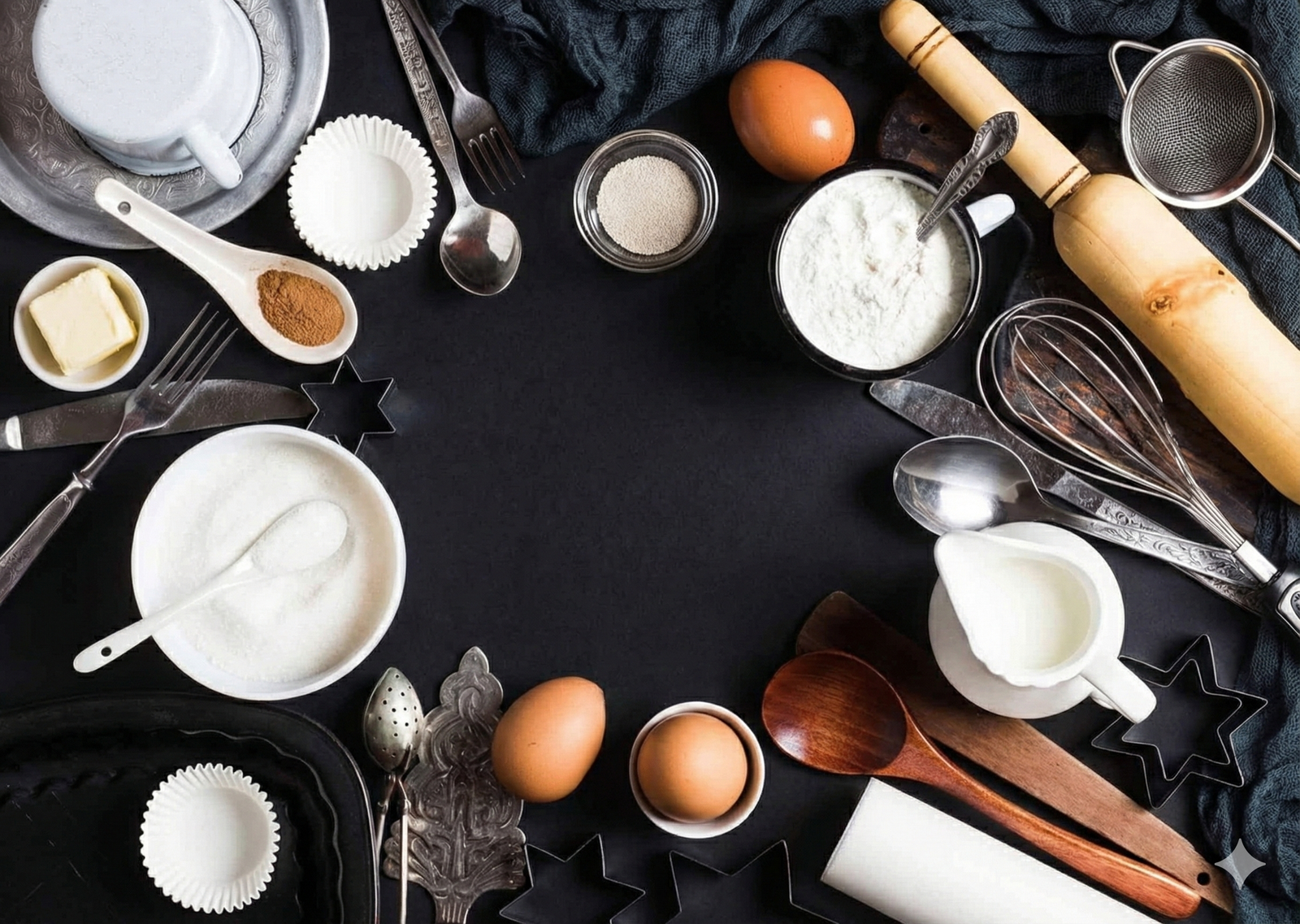
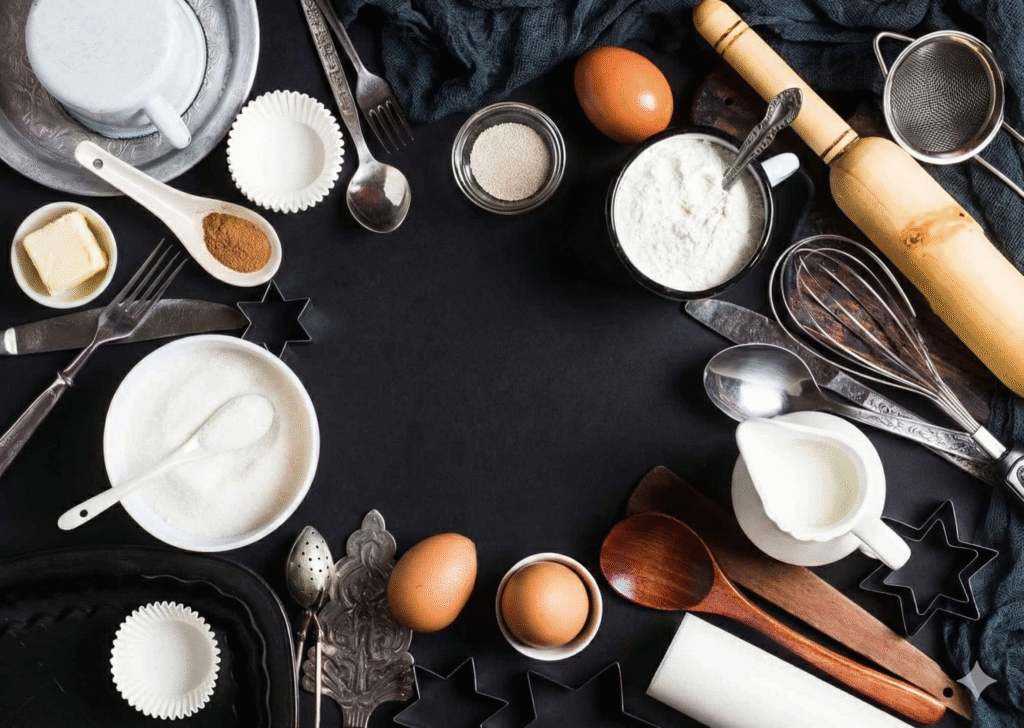
    The Essential Components of Every Baked Narrative:

    Flour the structural base

    Flour provides the essential structure and stability for cakes, cookies, and breads. The specific type used be it cake flour, all-purpose, or whole wheat can significantly alter both the texture and flavor of a recipe.

    Sugar the essential sweetener

    Sugar serves a purpose beyond mere baking and sweetness, influences moisture, color, and tenderness. For instance, brown sugar contributes warmth and depth, while powdered sugar achieves an ideal finish for frostings.

    Butter the flavor en-richer

    Butter adds richness to recipes, delivering a delightful aroma and a smooth texture. The process of creaming butter with sugar often marks the beginning of exceptional baked goods.

    Eggs the cohesive elements

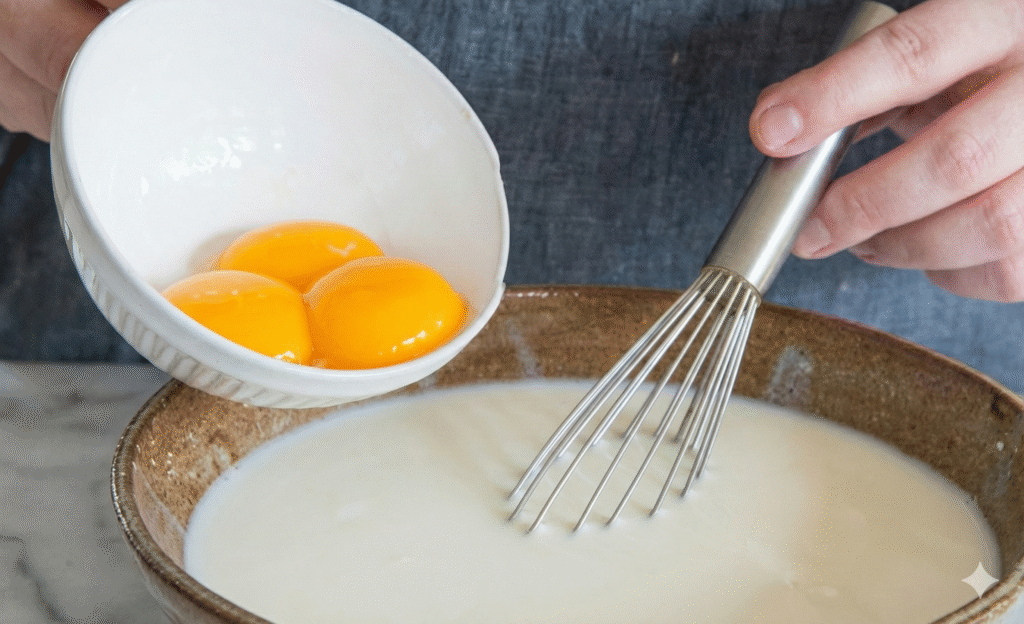
    Eggs provide necessary structure and moisture, facilitating batter rise, binding ingredients, and imparting a desirable gold hue.

    The Transformative Agents

    Baking soda, baking powder, and yeast inject life into dough and batters, enabling them to rise and evolve.

    Spices the flavor Enhancers

    Cinnamon, nutmeg, cardamom, and vanilla contribute inviting aromas and warmth, enriching the unique characteristics of your baked creations.

    Collectively, these ingredients weave the sweet narrative that emerges from every oven.

    Baking and sweetness as a Creative Outlet:

    Baking and sweetness serves as a remarkable avenue for creative expression, merging scientific principles with imaginative flair and combining precision with passion. The possibilities are vast ranging from flavors and textures to colors and decorations each variation narrating a unique story.

    Cake Decorating

    Cake decorating represents a sophisticated form of edible artistry. Bakers utilize colors, shapes, and textures to transform a basic sponge cake into an impressive centerpiece for various celebrations.

    Pastry Crafting

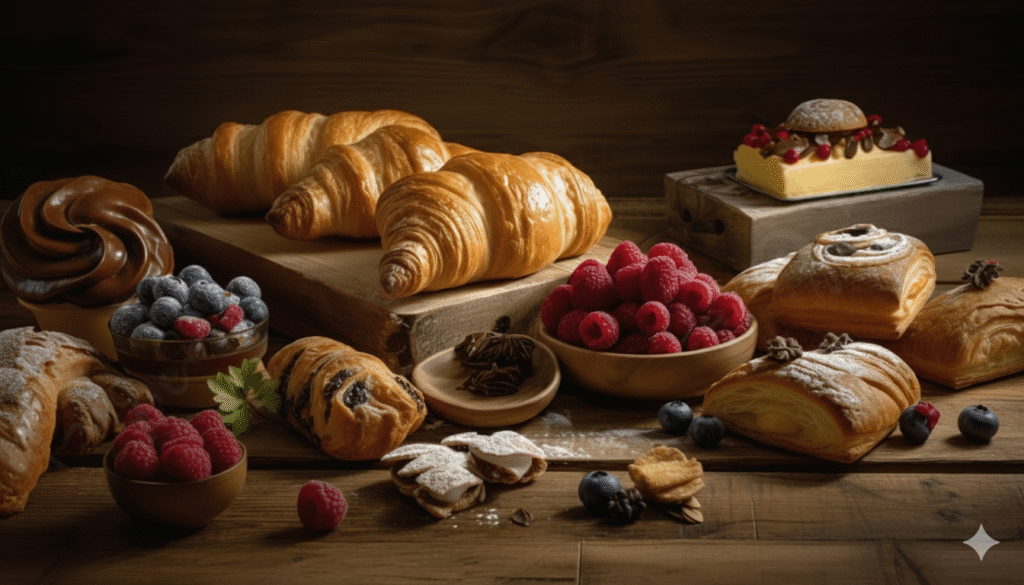
    Crafting pastries demands both skill and patience. However, the end products such as flaky croissants, airy choux buns, and glossy fruit tarts justify the effort invested. Mastering pastry making cultivates precision and dedication, attributes that enhance any baker’s expertise.

    Cookie Creativity

    Cookies are straightforward yet remarkably adaptable. They offer opportunities to experiment with shapes, fillings, chocolate chunks, icings, glazes, and spices in the class of baking and sweetness. Additionally, cookies serve as ideal gifts, party favors, and festive treats.

    Through baking, individuals can infuse their personalities into every creation, ensuring that each treat is distinctly their own.

    The baking and sweetness industry has become more accessible thanks to technology. Home cooks can get professional results with the help of smart ovens, digital scales, silicone molds, and step-by-step video instructions.
    The history of baking is still developing, with fresh chapters brimming with creativity and joy.

    The Joy of Sharing:

    One of the most wonderful aspects of baking is the act of sharing your creations. Across various cultures, sweets represent celebration, appreciation, and affection. A homemade pie taken to a neighbor, cupcakes made for a friend’s birthday, or cookies exchanged during festive seasons forge genuine connections.

    Baking is a simple endeavor that conveys significant messages:

    • I value you.
    • I dedicated time for you.
    • You are important.

    This emotional bond is what elevates baking from a hobby to a narrative of community, warmth, and sweetness.

    Delightful and Simple Baked Treats to Begin Your Sweet Journey

    the tales of baking and sweetness, sugar ,cookies, cakes,cream,oven

    If you feel inspired to embark on your baking adventure, here are a few classic treats that are ideal for both novices and experienced bakers.

    Traditional Chocolate Chip Cookies

    Crispy around the edges, soft in the middle, and packed with chocolate, these cookies are the ultimate comfort snack.

    Vanilla Sponge Cake

    A light and fluffy cake that complements any frosting, filling, or fruit perfectly.

    Banana Bread

    A moist and tasty quick bread that is both delightful and easy for beginners.

    Cinnamon Rolls

    Warm, sticky, and fragrant ideal for brunch or a cozy afternoon.

    Lemon Bars

    Sweet yet zesty, featuring a buttery crust that dissolves in your mouth.

    Each recipe has its own magic and imparts valuable baking techniques along the way of baking and sweetness.

    Advice for Successful Baking:

    To assist you in honing your skills, here are some essential tips:

    Accurate measurements Room-temperature ingredients  Facilitates easier mixing and enhances texture.

    Avoid over-mixing Excessive mixing results in dense and tough baked goods.

    Preheating the oven Guarantees even baking from the outset.

    Allowing baked goods to cool adequately Improves flavor and texture.

    Applying these tips fosters consistency and assurance, allowing your baking and sweetness journey to thrive.

    The Pleasure of Contemporary Baking:

    The present-day world offers limitless inspiration for bakers. Social media shows various creative trends, such as:

    • Mirror-glazed cakes
    • Geometric pastries
    • Airbrushed buttercream
    • Layered milk bread
    • Sculpted cookies

    Yet, despite modern techniques, the essence of baking and sweetness remains unchanged joy, creativity, and sweetness.

    Technology has further increased accessibility to baking and sweetness. Smart ovens, digital scales, silicone baking molds, and step-by-step video tutorials empower home bakers to achieve professional results.

    The baking and sweetness narrative continues to develop, creating new chapters filled with creativity and joy.

    Baking as a Lifestyle:

    Baking doesn’t have to be limited to special occasions. Incorporating it into your regular routine brings little moments of joy and sweetness throughout the week. You could:

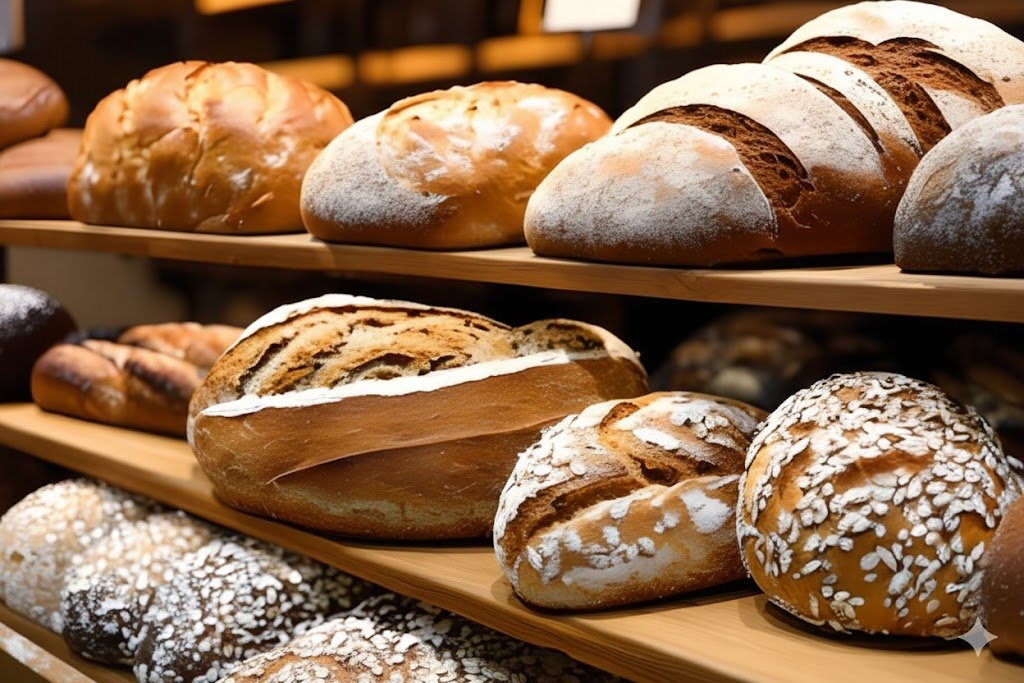
    • Bake bread on weekends
    • Try out a new cookie recipe with your kids
    • Share homemade treats with friends
    • Create seasonal goodies
    • Experiment with flavors from across the globe

    These small gestures turn ordinary days into delightful experiences.

    In Conclusion: 

    Baking brings warmth to homes, grins to faces, and sweetness to the spirit. So, heat up your oven, collect your favorite ingredients, and begin crafting your own delicious chapter in this timeless story.

    Personally I find joy in baking where creativity meets sweetness. Each baking recipe lets me experiment with flavors of sweetness.