
Vegetarian Main Meals List
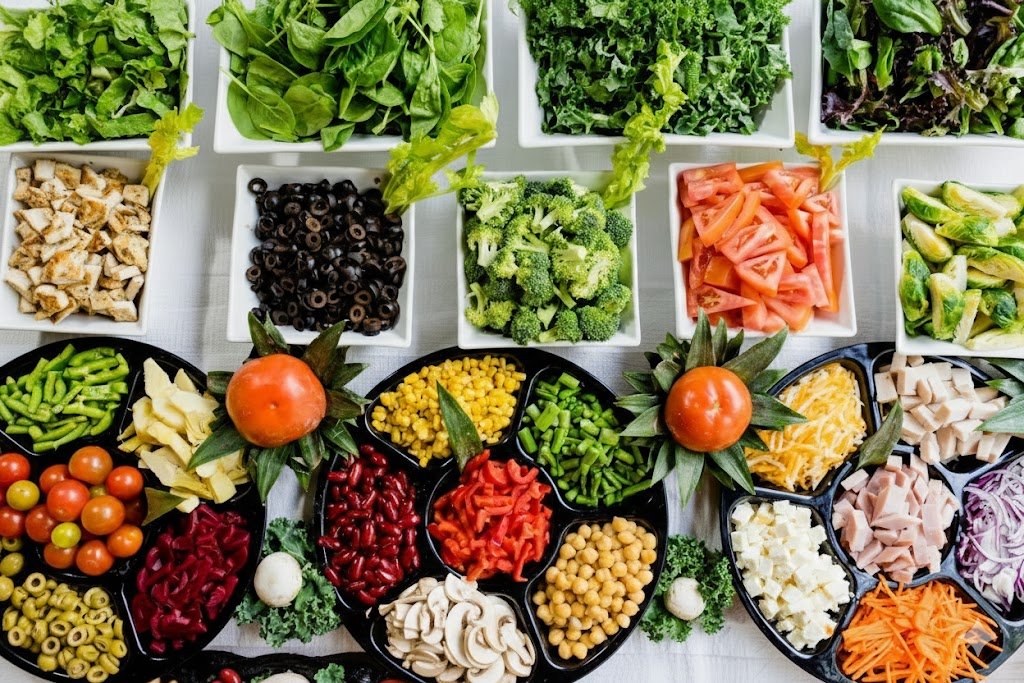
Many people believe that a vegetarian diet cannot provide enough protein for the body. This idea is completely wrong, and nutrition science has proven it time and again. Plant-based protein sources are powerful, accessible, and delicious, and this article will show exactly why.
Skipping meat does not mean skipping nutrition. Millions of athletes, bodybuilders, and everyday people thrive on high-protein vegetarian foods without touching a single piece of chicken or fish. The secret lies in knowing which foods to eat and how to combine them smartly.
Packed with real food options, this guide covers the top 10 high-protein vegetarian foods that support muscle growth, energy, and overall health. Every food on this list is easy to find, simple to cook, and backed by solid nutritional data. Get ready to rethink everything about plant-based eating and protein.
Why Protein Matters on a Vegetarian Diet?
Protein is one of the most essential nutrients the human body needs every single day. It builds and repairs muscles, supports the immune system, and keeps hunger under control for longer. Without enough daily protein intake, the body starts breaking down muscle tissue to meet its own demands.
Getting enough protein on a vegetarian diet requires a little more awareness but absolutely no suffering. The body needs a steady supply of amino acids, the building blocks of protein, to function properly. Many plant-based foods deliver these amino acids in impressive amounts when eaten regularly and in the right combinations.
Understanding the difference between complete proteins and incomplete proteins makes vegetarian eating even more effective. Complete proteins contain all nine essential amino acids, while incomplete proteins are missing one or more. The good news is that eating a variety of plant-based protein sources throughout the day easily covers all amino acid needs.
What Makes a Food “High Protein”? Understanding the Benchmark
Defining a food as “high protein” depends on how much protein per 100g or per serving it actually delivers. Nutrition experts generally consider a food high in protein when it provides at least 10 grams per 100 grams or a significant amount per standard serving size. This benchmark helps separate genuinely protein-dense vegetarian foods from those that only seem nutritious on the surface.
Counting protein is not just about grams of protein per calorie matters just as much, especially for people managing their weight. A food can have a decent protein count but still fall short if it comes loaded with excess fat or empty calories. The best high-protein plant foods strike a smart balance between protein content, calorie count, and overall nutritional value.
Worth noting is the concept of bioavailability, which refers to how much protein the body can actually absorb and use. Animal proteins generally have higher bioavailability, but many nutrient-dense vegetarian foods close this gap significantly through proper preparation methods. Choosing the right foods and preparing them well makes all the difference in maximizing plant protein absorption.
Top 10 Vegetarian Protein Powerhouses
Lentils
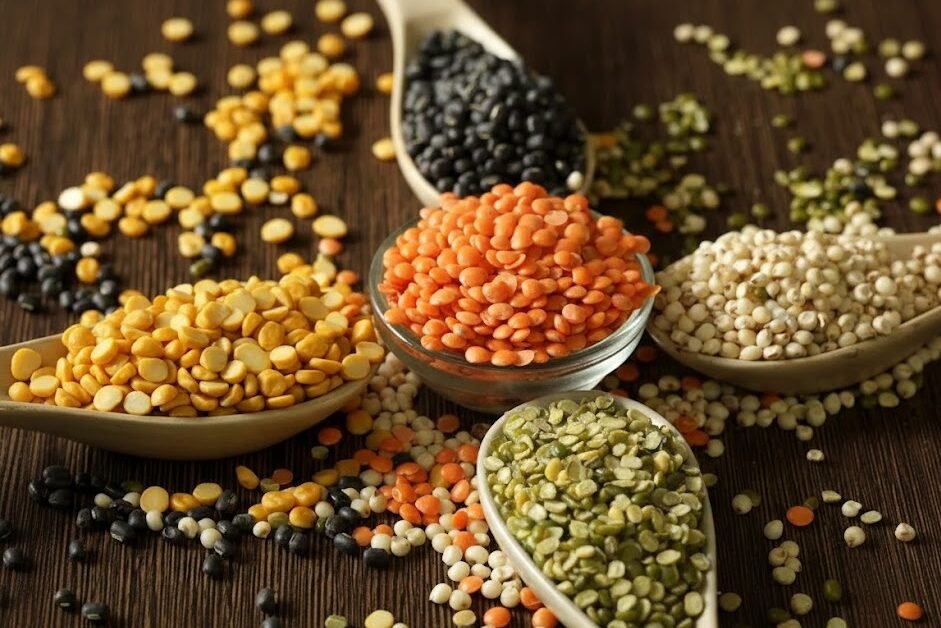
Loaded with goodness, lentils deliver approximately 18 grams of protein per cooked cup, making them one of the most powerful high-protein legumes available to vegetarians. Few plant-based protein sources match the nutritional punch that lentils consistently deliver per serving.
Remarkably versatile in the kitchen, lentils work beautifully in soups, stews, curries, and salads without losing their nutritional value. Dishes like Spicy Root & Lentil Casserole and Melting Afghan Chickpea Curry showcase just how satisfying lentil-based meals can be.
Soaking lentils before cooking significantly improves their protein bioavailability and reduces cooking time at the same time. This simple preparation step also lowers anti-nutrients like phytic acid, allowing the body to absorb more of the available plant protein. Red, green, and black lentil varieties all offer strong protein content.
Chickpeas
Arguably one of the most popular high-protein legumes in the world, chickpeas provide around 15 grams of protein per cooked cup alongside impressive amounts of fiber and complex carbohydrates. Their mild, nutty flavor makes them incredibly easy to incorporate into dozens of different dishes.
Brilliant in both hot and cold recipes, chickpeas shine in everything from creamy hummus to crispy pan-fried fritters. Recipes like Greek Zucchini Tots and Melting Afghan Chickpea Curry demonstrate just how much flavor and protein chickpeas bring to everyday cooking.
Canned and dried chickpeas both deliver strong protein per serving, though dried chickpeas cooked from scratch offer slightly better nutritional density. Tossing them into Pearl Couscous Salad or blending them into dips adds effortless protein to any meal without extra effort.
Tofu
Standing out among all vegetarian protein foods, tofu is one of the rare plant sources that qualifies as a complete protein, meaning it contains all nine essential amino acids the body cannot produce on its own. Made from condensed soy milk, tofu delivers around 8–10 grams of protein per 100 grams, depending on its firmness.
Firm tofu works best for grilling, stir-frying, and baking, while silken tofu suits smoothies, sauces, and creamy desserts perfectly. Adding tofu to dishes like Spicy Asian Zucchini stir-fries or noodle bowls creates a satisfying, protein-rich vegetarian meal in under 30 minutes.
Nutritionally, tofu also provides calcium, manganese, and selenium alongside its impressive plant-based protein content. Regularly including tofu in a vegetarian diet for muscle building supports lean muscle maintenance and recovery just as effectively as many animal-based options.
Edamame
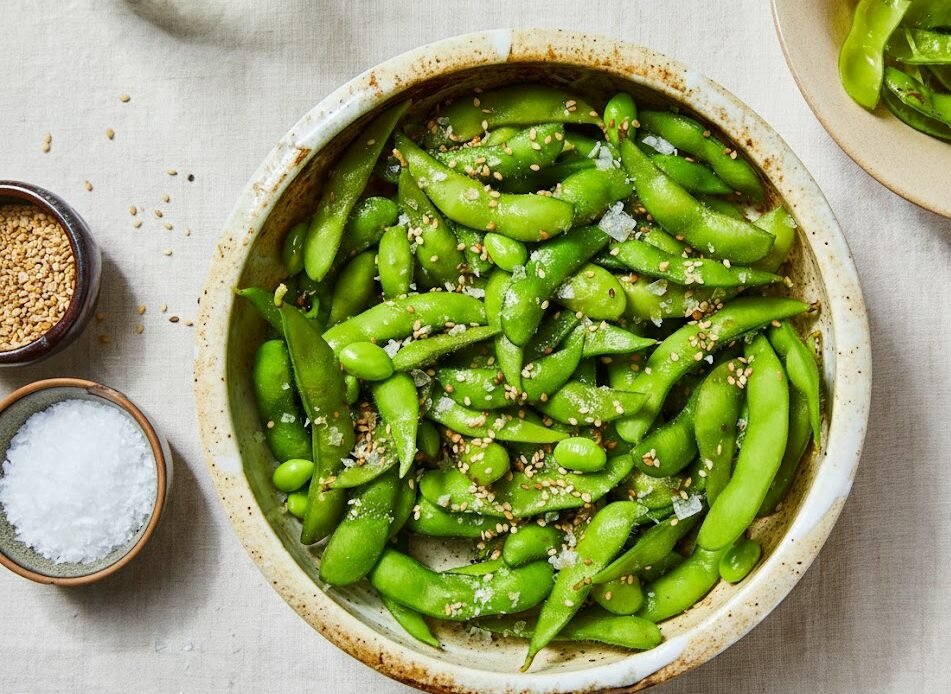
Surprisingly powerful for something so simple to eat, edamame packs around 11 grams of protein per 100 grams and qualifies as a complete protein source thanks to its soy origins. These young green soybeans are incredibly easy to prepare, just steam or boil and season with a pinch of sea salt.
Tossing edamame into salads, grain bowls, and stir-fries instantly elevates both the protein content and the visual appeal of any dish. Meals built around edamame nutrition deliver a clean combination of protein, fiber, and healthy fats that keep energy levels steady throughout the day.
Beyond protein, edamame contains significant amounts of vitamin K, folate, and manganese, which support bone health and cellular function. The health benefits of young soybeans extend well beyond the gym; they actively support heart health and hormonal balance when eaten as part of a balanced diet.
Greek Yogurt & Cottage Cheese
Perfect for lacto-vegetarians seeking reliable, high-quality protein, Greek yogurt delivers approximately 10 grams of protein per 100 grams, while cottage cheese pushes even further with 11–14 grams per 100 grams. Both foods provide complete protein with excellent amino acid profiles that rival many meat-based sources.
Thick, creamy, and incredibly flexible, Greek yogurt works just as well in savory dips and dressings. Cottage cheese blends seamlessly into baked dishes, pasta fillings, and even pancake batter, adding protein without changing the flavor dramatically. Recipes like Spinach Ricotta Stuffed Shells highlight exactly how dairy-based proteins can anchor a truly satisfying.
Choosing full-fat or low-fat versions depends entirely on individual health goals, but both deliver strong protein per serving with valuable calcium and probiotics included. The live cultures in Greek yogurt actively support gut health and immune function alongside its impressive protein content for vegetarians.
Quinoa
Unlike most grains, quinoa stands in a class of its own by delivering all nine essential amino acids, earning its title as one of the few complete protein plant foods in the grain category. Choosing quinoa over rice or pasta instantly upgrades the protein quality of any meal without sacrificing taste or texture.
Naturally gluten-free and quick to cook in under 15 minutes, quinoa fits effortlessly into salads, grain bowls, soups, and side dishes. Swapping it into recipes like Pearl Couscous Salad or using it as a base for roasted vegetables creates a genuinely nutrient-dense vegetarian meal with minimal effort.
Rinsing quinoa thoroughly before cooking removes its natural bitter coating called saponin, which dramatically improves flavor and digestibility. The protein in quinoa is also more bioavailable than that of many other grains, meaning the body absorbs and uses it more efficiently.
Hemp Seeds & Other Protein-Rich Seeds
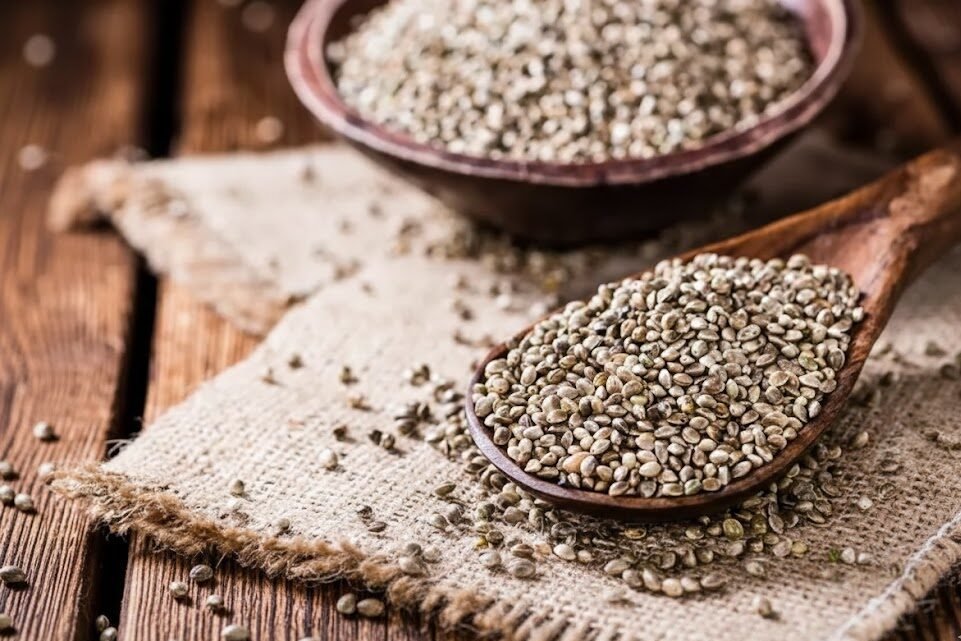
Tiny but tremendously powerful, hemp seeds deliver an extraordinary 10 grams of protein per just 3 tablespoons, making them one of the most concentrated plant-based protein seeds available anywhere. They also qualify as a complete protein, containing all nine essential amino acids in a highly digestible form.
Beyond hemp, several other seeds deserve serious attention in any high-protein vegetarian diet. Pumpkin seeds offer around 9 grams of protein per ounce, chia seeds contribute 5 grams per ounce alongside omega-3 fatty acids, and sunflower seeds add both protein and vitamin E to the nutritional picture.
Stirring hemp or chia seeds into dressings for dishes like Maple Sweet Potato Salad with Whipped Tahini adds a quiet but meaningful protein boost that most people never even notice. The healthy fats in these seeds also support brain function, hormone production, and cardiovascular health alongside their impressive protein content.
Black Beans & Other Legumes
Delivering around 15 grams of protein per cooked cup, black beans rank among the most reliable and affordable high-protein vegetarian foods on the planet. Their rich, earthy flavor and thick, satisfying texture make them a natural fit for everything from tacos and quesadillas to soups and grain bowls.
Expanding beyond black beans, the broader legume family, including kidney beans, navy beans, pinto beans, and butter beans, all offer impressive bean protein content with similar nutritional benefits. Adding legumes to recipes like Mushroom Quesadillas or Veggie Shepherd’s Pie with Sweet Potato Mash creates hearty, deeply satisfying dishes that prove vegetarian food never needs to feel like a compromise.
Cooking dried beans from scratch rather than relying solely on canned versions improves both protein bioavailability and overall flavor significantly. Building meals around black beans and legumes supports not just protein goals but also long-term heart health, blood sugar stability, and sustained digestive wellness.
Nutritional Yeast
Flying under the radar for many new vegetarians, nutritional yeast packs a remarkable 8 grams of complete protein per just 2 tablespoons, earning its nickname “nooch” among devoted plant-based cooks. Few ingredients in the vegetarian protein toolkit offer this combination of protein, B vitamins, and savory umami flavor in such a small serving size.
Sprinkling nutritional yeast over pasta, popcorn, roasted vegetables, and soups creates an instant cheesy, nutty depth of flavor without any actual dairy. Recipes like Pasta Primavera or Butternut Squash & Sage Risotto become even more nutritionally complete with a generous spoonful of nutritional yeast worked into the sauce.
Unlike processed vegan cheese substitutes, nutritional yeast is a whole food ingredient with a clean, minimal ingredient list and zero artificial additives. Its nooch nutrition facts also include zinc, selenium, and several B vitamins beyond B12, making it a genuinely well-rounded nutritional addition.
Eggs
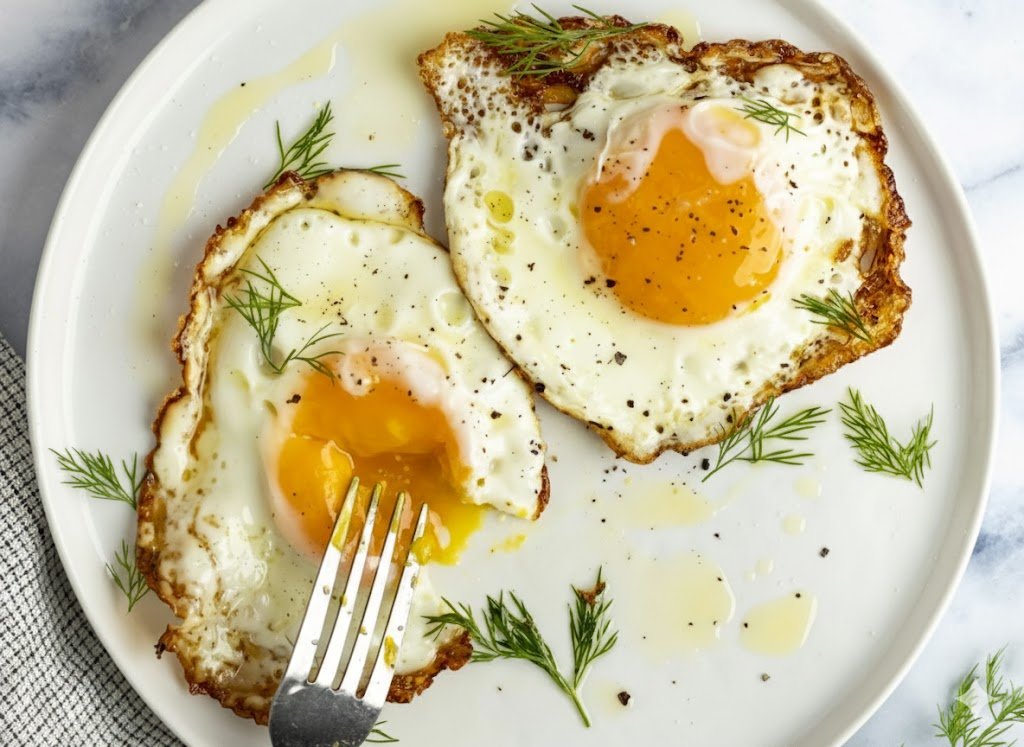
Recognized globally as one of nature’s most perfect foods, eggs deliver approximately 6 grams of protein per egg and around 13 grams per 100 grams, with a biological value that surpasses almost every other food source on earth. For lacto-ovo vegetarians, eggs represent an unmatched combination of protein quality, nutritional density, and everyday kitchen versatility.
Whole eggs contain all nine essential amino acids in proportions that the human body uses almost perfectly, making them a genuinely complete protein source with no supplementation required. Eating whole eggs rather than just egg whites delivers far greater nutritional value and keeps hunger at bay significantly longer throughout the day.
Scrambled, poached, baked, or folded into frittatas and breakfast bowls, eggs adapt to virtually every cooking style and cuisine with remarkable ease. Their ability to bind, enrich, and elevate other ingredients makes them indispensable in high-protein vegetarian recipes ranging from quick weekday breakfasts to elaborate weekend brunches.
Conclusion
Adopting a high-protein vegetarian diet does not require relying on processed shakes or supplements, but rather focusing on nutrient-dense whole foods like lentils, tofu, quinoa, and eggs. These top 10 vegetarian foods provide the essential amino acids and energy the body needs to thrive long-term. If you’re curious about how your food choices reflect your personality, you can explore this detailed guide here: https://explorezone.researchskillcenter.com/your-favorite-food-personality/
Q1: Can I build muscle on a vegetarian diet without protein supplements?
Yes, absolutely. By eating a variety of high-protein vegetarian foods like lentils, tofu, Greek yogurt, and eggs, you can easily consume enough protein. Consistency and caloric intake are key, not supplements.
Q2: Do I need to combine proteins at every single meal?
No, you do not. The old myth about “protein combining” has been debunked, as long as you eat a variety of plant-based protein sources throughout the day.
Q3: Which vegetarian food has the most protein per 100g?
Seitan (wheat gluten) is often the highest, with around 25g per 100g, followed closely by hemp seeds, tempeh, and certain cheeses like Parmesan or Swiss.
Q4: Is soy safe to eat every day for protein?
Yes, for most people, soy is safe and beneficial. Research shows that moderate consumption of tofu, edamame, and soy milk does not negatively affect hormones.
Q5: What is the best high-protein vegetarian breakfast?
A combination of Greek yogurt with hemp seeds, eggs, scrambled tofu with spinach, or oatmeal cooked with milk and topped with nut butter offers excellent protein.
Leave a Reply