Faith and Festivities of Eid al-Fitr
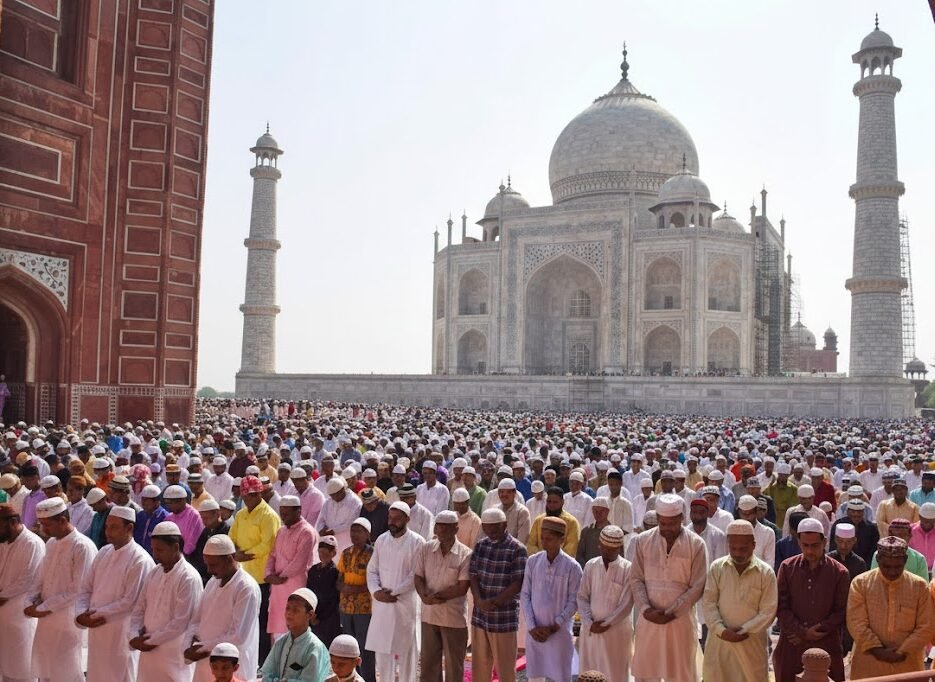
Across the Muslim world, Eid al-Fitr marks the joyful end of Ramadan fasting and celebrates spiritual success. This Islamic festival blends deep faith with vibrant cultural traditions. Families gather to honor gratitude, unity, and renewed devotion.
Unlike ordinary holidays, this day reflects the spiritual growth achieved through self-discipline in Ramadan. Muslims express happiness after completing a month of prayer, charity, and reflection. Communities celebrate while remembering the core Islamic values of gratitude and compassion.
For believers, Faith and Festivities of Eid represent both worship and celebration. The festival strengthens community bonds and promotes peace among people. It stands as one of the most meaningful Islamic celebrations worldwide.
Historical Roots of Eid in Islamic Tradition
Historically, the origin of Eid dates back to early Islamic history in the 2nd year of Hijrah. The first Eid prayer was led by Prophet Muhammad (S.A.W) in Madinah. This event established Eid al-Fitr as a formal religious celebration for the Muslim community.
During that time, Muslims replaced pre-Islamic festivals with two significant Eids. Islamic teachings introduced Eid al-Fitr and Eid al-Adha as days of worship and lawful joy. These celebrations strengthened unity within the early Muslim society.
Over centuries, different cultures added local customs while preserving the religious foundation. The core elements of Eid prayer, charity, and gratitude remained unchanged. Today, Muslims worldwide continue to follow the same Islamic tradition of Eid celebration.
Spiritual Significance After Ramadan Fasting
After 30 days of fasting during Ramadan, Muslims celebrate Eid al-Fitr as a reward for patience and devotion. The month builds self-discipline, taqwa, and spiritual growth through daily prayers and reflection. Eid highlights the success of completing this sacred journey.
Through consistent worship, believers strengthen their connection with Allah during Ramadan. They practice Quran recitation, charity in Islam, and nightly prayers to purify the heart. Eid arrives as a moment of gratitude and renewed faith.
Because of this spiritual training, Eid al-Fitr carries deep religious meaning. The festival encourages believers to continue good deeds beyond Ramadan. It reinforces the values of Islamic devotion, gratitude, and community unity.
Moon Sighting and Chand Raat Traditions
As the Islamic calendar follows the lunar cycle, Muslims wait for the sighting of the Eid moon to confirm the end of Ramadan. Religious authorities announce the new moon to begin Eid celebrations. This tradition connects the festival to the Islamic lunar calendar.
On Chand Raat, markets stay open late as families prepare for the big day. People shop for clothes, sweets, and gifts to welcome Eid with joy. Communities celebrate this night as part of their Eid cultural traditions.
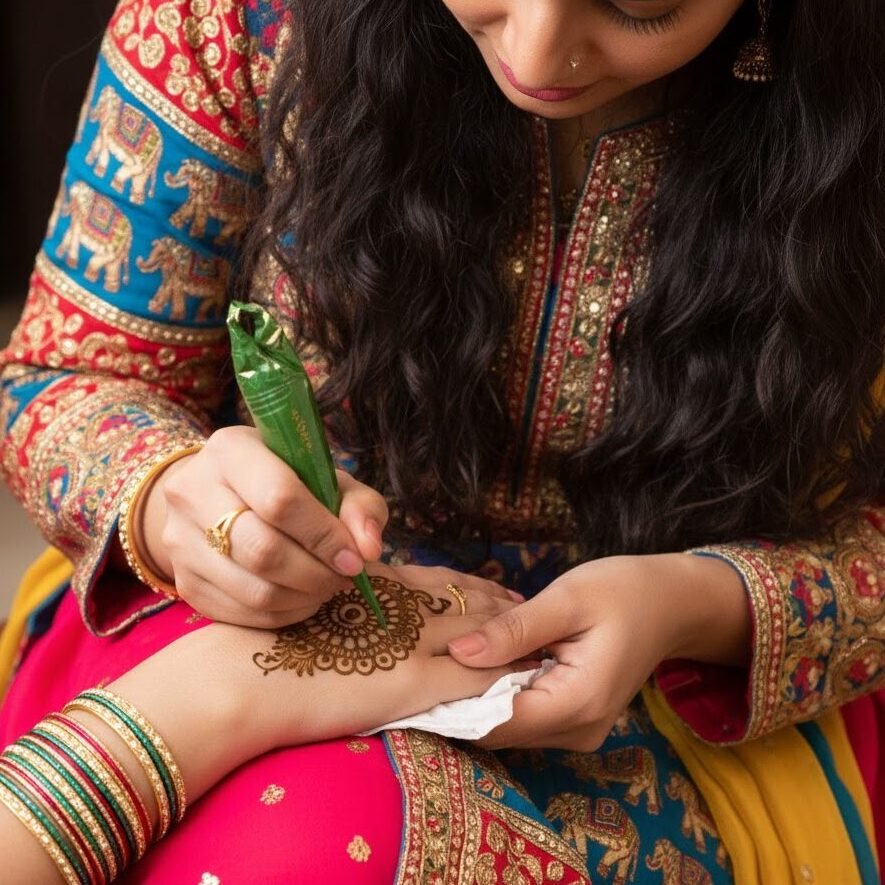
Across many countries, excitement fills the streets once the moon appears. Children enjoy festive lights while women apply henna as a symbol of happiness. Chand Raat reflects the vibrant spirit of Eid preparations and Muslim celebrations.
Eid Morning Sunnah and Prayer Rituals
Early in the morning, Muslims perform Ghusl (ritual purification) to prepare for Eid al-Fitr. They wear clean or new clothes as part of the Sunnah practices of Eid. Families eat something sweet before leaving for the mosque.
Before the prayer begins, worshippers gather in open grounds or mosques for Eid Salah in congregation. The community stands together and offers two units of prayer with extra takbeers. This special prayer strengthens unity and reflects the beauty of Islamic worship.
After completing the prayer, the imam delivers the Eid Khutbah (sermon) to guide the community. People listen carefully and reflect on lessons about gratitude and faith. The Eid morning rituals highlight obedience, discipline, and shared Muslim traditions.
Zakat al-Fitr and Acts of Charity
Importantly, Islam requires Muslims to give Zakat al-Fitr before the Eid prayer. This obligatory charity ensures that poor families can also enjoy the festival. It promotes equality and fulfills an essential duty in Islamic charity.
Through this act, believers purify their fast from any mistakes made during Ramadan. They distribute food or money to those in need as part of Sadaqah and community support. Charity strengthens compassion and social responsibility.
As a result, Eid al-Fitr becomes a celebration for everyone, not only the wealthy. The practice of helping others builds unity within society. Zakat al-Fitr reflects the true spirit of generosity in Islam.
Traditional Eid Clothing and Modest Fashion
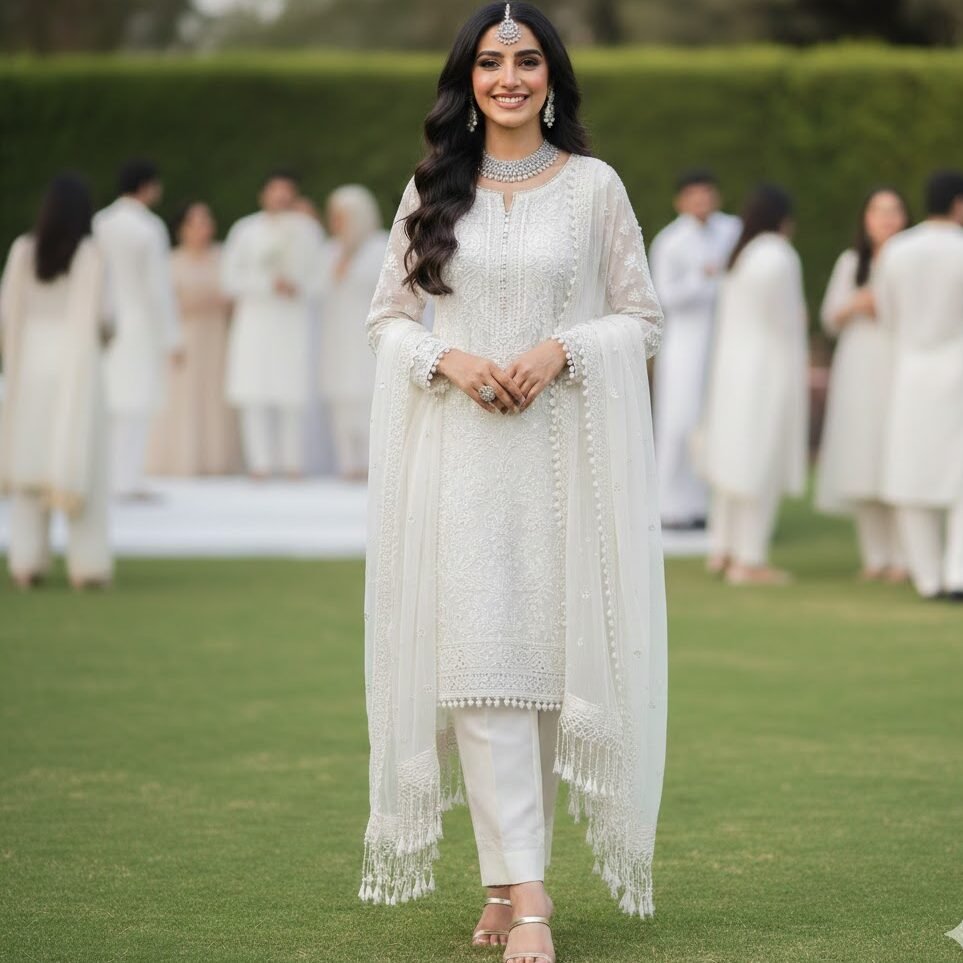
During Eid, Muslims wear their finest traditional clothing to celebrate the festival. Men often choose kurta pajama, thobe, or shalwar kameez, while women wear colorful dresses or abayas with hijabs. Dressing elegantly shows respect for the sacred day and Islamic fashion customs.
Cultural variations influence Eid attire across regions. In some countries, embroidery, jewelry, and festive colors are popular additions. Families enjoy shopping for Eid outfits to honor both faith and tradition.
Modern trends blend modesty with style, allowing Muslims to express personal taste. Children wear bright festive clothing, reflecting joy and family celebrations. These clothing practices highlight the intersection of Islamic tradition and contemporary fashion.
Festive Foods and Sweet Delicacies
Eid al-Fitr is incomplete without special festive foods and desserts. Sweet dishes like Sheer Khurma, Seviyan, and dates are served in almost every household. Sharing these treats strengthens family bonds and community ties.
Regional differences create unique culinary experiences for Eid. Each country offers local specialties, from rice-based meals to meat dishes. Families prepare traditional Eid dishes to celebrate both faith and culture.
Hospitality plays a major role during Eid celebrations. Guests are invited to enjoy meals together, emphasizing generosity and joy. These Eid culinary traditions highlight the festival’s social and cultural significance.
Family Gatherings, Eidi, and Social Bonding
Families celebrate Eid by visiting relatives and friends, strengthening family relationships. Children receive Eidi (money) as a symbol of love and blessings. Sharing time and gifts enhances the joy of Islamic celebrations.
Communities organize meals and social events to connect neighbors and friends. These gatherings encourage unity and reflect the values of brotherhood and generosity in Islam. People exchange greetings and express gratitude for each other’s company.
Traditions like giving Eidi and hosting feasts promote strong social bonds. Elders guide younger members about faith and cultural practices. Eid fosters a sense of belonging and strengthens Muslim community ties.
Eid Celebrations Across Different Countries
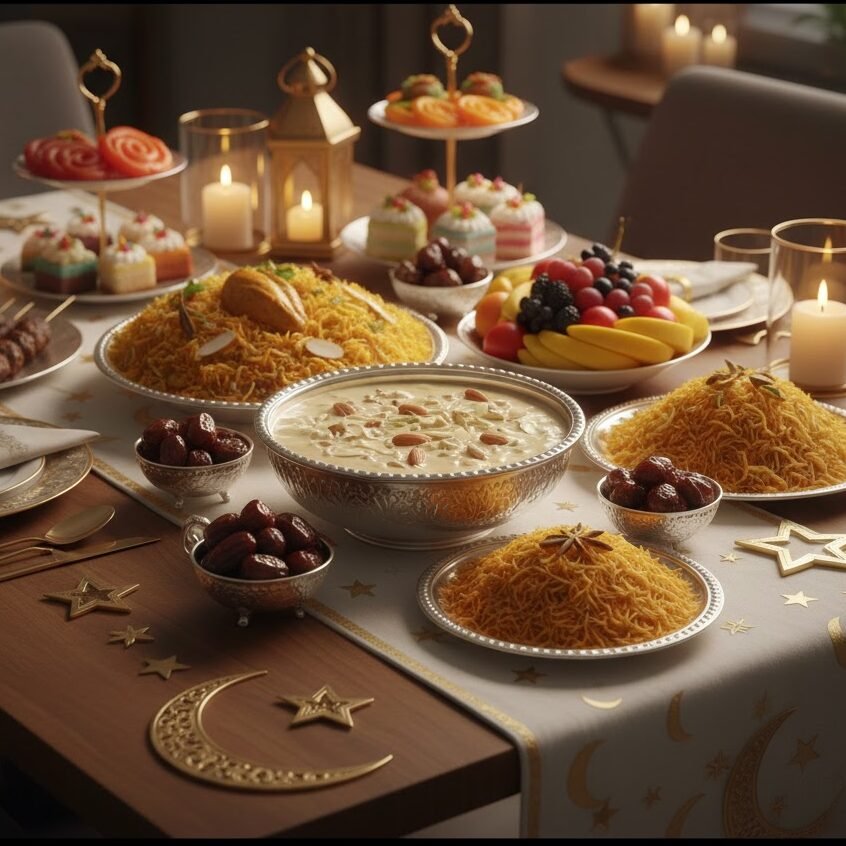
Muslims worldwide celebrate Eid with unique cultural customs while maintaining the core Islamic traditions. In Saudi Arabia, large communal prayers and public festivities dominate the day. Families prepare special foods and wear traditional attire for the occasion.
In Pakistan, markets glow with lights and sweets, and children eagerly await Eidi and festive meals. Community feasts and charity work highlight the social significance of Eid.
Other countries, like Turkey, combine religious rituals with local traditions. Folk music, special desserts, and family visits create a unique festive atmosphere. Eid demonstrates how global Muslim communities adapt traditions while keeping spiritual values intact.
The Social and Spiritual Message of Eid
Eid al-Fitr teaches Muslims the importance of unity, forgiveness, and compassion. Families and communities come together, resolving past conflicts and strengthening bonds. The festival emphasizes harmony and mutual respect in daily life.
Generosity and gratitude play a central role during the celebrations. Acts of charity, such as Zakat al-Fitr and Sadaqah, ensure that even the less fortunate share in the joy. Eid promotes social equality and encourages believers to care for others.
Peace and spiritual reflection define the deeper meaning of Eid. Muslims use this time to renew faith, practice patience, and appreciate life’s blessings. The festival highlights the universal values of Islamic morals and ethical teachings.
Conclusion
Faith and celebration combine to make Eid al-Fitr a unique festival. Spiritual growth from Ramadan meets joyful family gatherings, traditional foods, and cultural attire. Communities come together, reinforcing the values of generosity, gratitude, and unity. Gratitude, charity, and togetherness form the heart of Eid al-Fitr. If you want to read about Ramadan, then visit the link: https://explorezone.researchskillcenter.com/easy-ramzan-iftar-recipes/
FAQ
Q1: What is the meaning of Eid al-Fitr?
A1: Eid al-Fitr is a Muslim festival marking the end of Ramadan, celebrating gratitude, charity, and spiritual growth.
Q2: Why is Zakat al-Fitr important during Eid?
A2: Zakat al-Fitr allows the poor to join in Eid celebrations, promoting equality and fulfilling an Islamic charitable duty.
Q3: What are traditional foods eaten on Eid?
A3: Popular dishes include Sheer Khurma, Seviyan, dates, and regional sweets served during festive family gatherings.
Q4: What is Chand Raat, and why is it celebrated?
A4: Chand Raat is the night of moon sighting before Eid, marked by shopping, henna, and festive excitement.
Q5: How do Muslims celebrate Eid around the world?
A5: Eid is celebrated with prayers, family gatherings, festive clothing, charity, and local cultural traditions worldwide.
Leave a Reply