Vietnam Beyond the Tourist Trails
Unlike typical Southeast Asia trips, Vietnam offers many offbeat destinations beyond famous landmarks. Travelers find quiet villages, peaceful countryside, and authentic street culture away from crowded attractions. Exploring these lesser-known places reveals the true charm of local Vietnamese life.
Beyond popular tourist routes, the country presents diverse landscapes from green rice terraces to remote mountain passes. Small towns showcase traditional crafts, regional cuisine, and vibrant night markets. Such hidden gems in Vietnam provide meaningful and cultural travel experiences.
Surprisingly, many visitors miss the slow-paced rural areas that reflect real traditions. Homestays allow a deeper connection with ethnic communities and daily routines. Choosing responsible tourism in Vietnam supports sustainability and protects natural beauty.
Northern Vietnam’s Untouched Landscapes
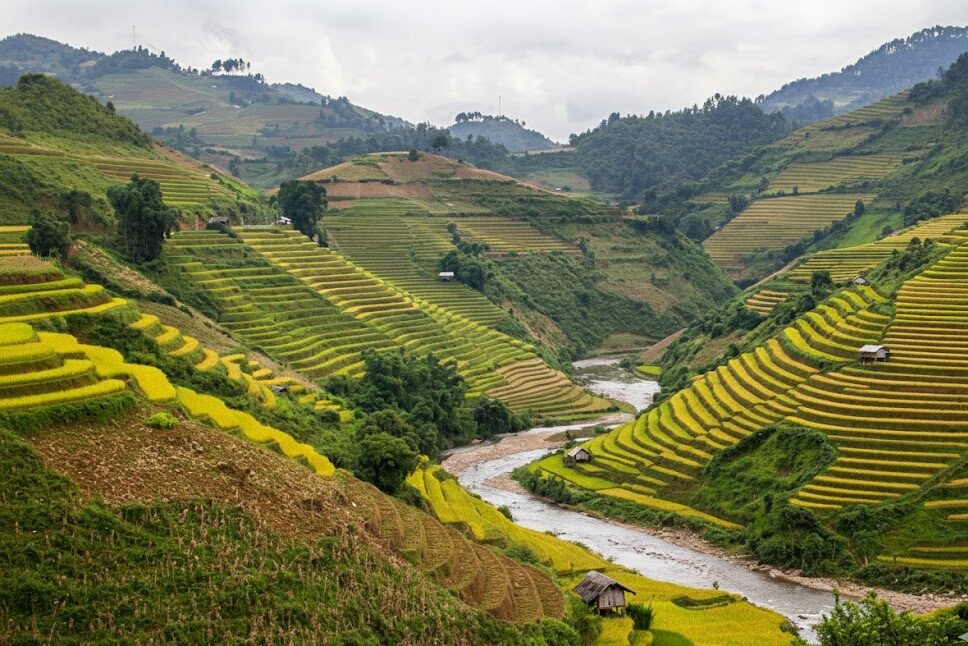
Far from busy city centers, Northern Vietnam displays dramatic mountains and scenic valleys. Places like Sapa and Ha Giang attract trekking lovers seeking breathtaking rice terraces. Adventurous travelers enjoy motorbike routes and explore ethnic minority villages.
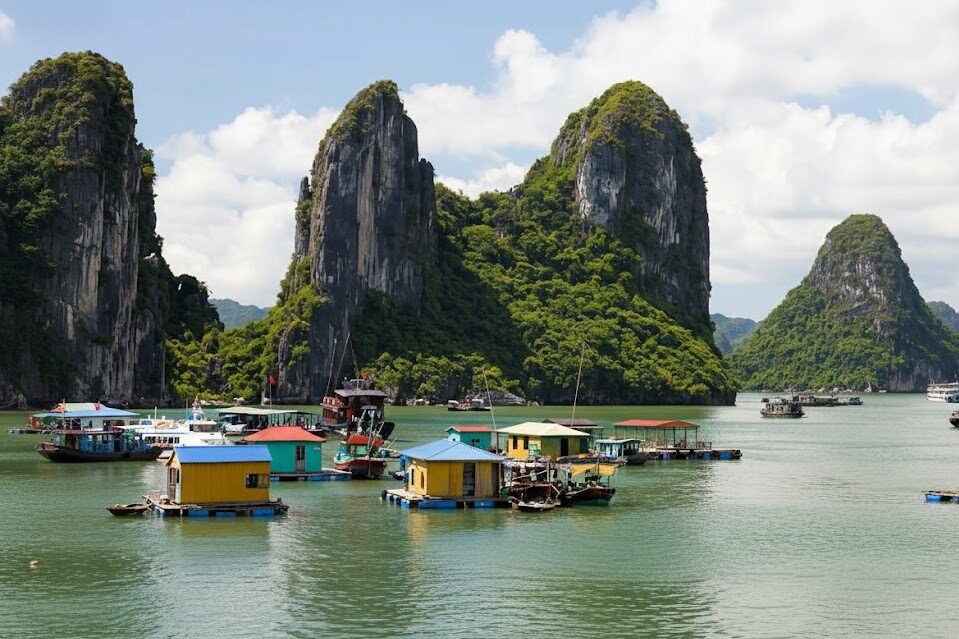
Meanwhile, limestone formations create stunning seascapes around Ha Long Bay and Cat Ba Island. Kayaking tours move through quiet lagoons and hidden caves. These scenic areas highlight Vietnam’s natural wonders and eco-tourism potential.
Deep within forested regions, freshwater lakes and waterfalls offer peaceful escapes. Ba Be National Park provides jungle trails and boat rides across calm waters. Nature lovers admire biodiversity while enjoying sustainable adventure travel.
Central Vietnam’s Heritage and Coastal Beauty
Across the central coastline, Vietnam showcases a rich cultural heritage and ancient architecture. The lantern-lit streets of Hoi An glow at night and attract culture lovers seeking UNESCO heritage charm. Travelers explore historic houses, riverside cafés, and traditional tailoring shops.
Meanwhile, imperial history lives strongly in Hue and the sacred ruins of My Son. Visitors walk through royal citadels and discover Cham temple complexes surrounded by green hills. These heritage sites highlight Vietnam’s deep historical roots and architectural beauty.
Along the shoreline, soft sands and blue waters create peaceful beach escapes. Beaches such as My Khe Beach and An Bang Beach offer surfing spots and relaxing coastal views. Tourists enjoy seafood dining, sunset scenery, and authentic seaside culture.
Southern Vietnam’s Cultural Energy and Island Life
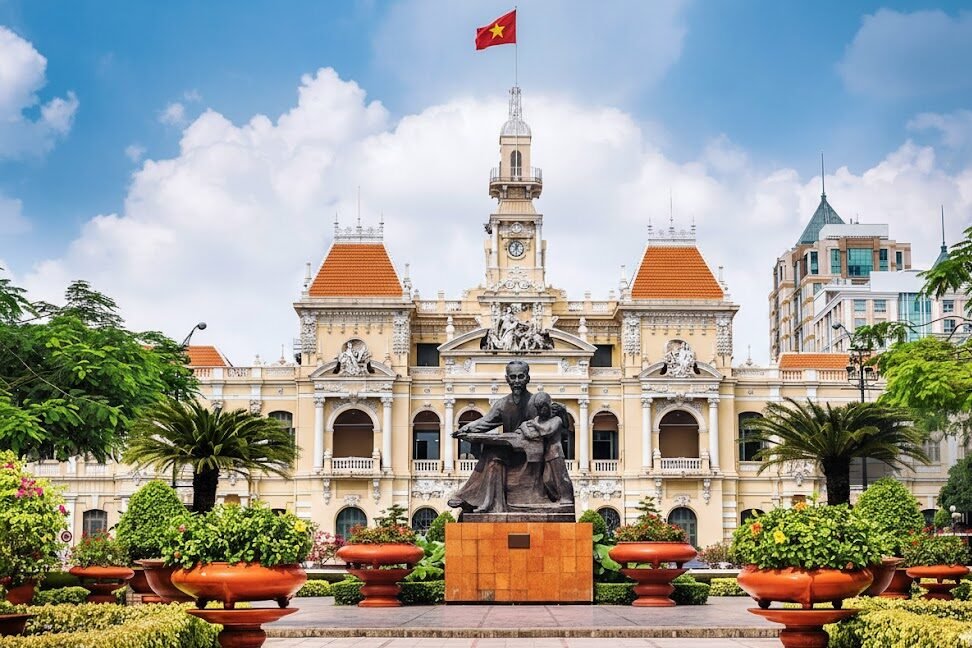
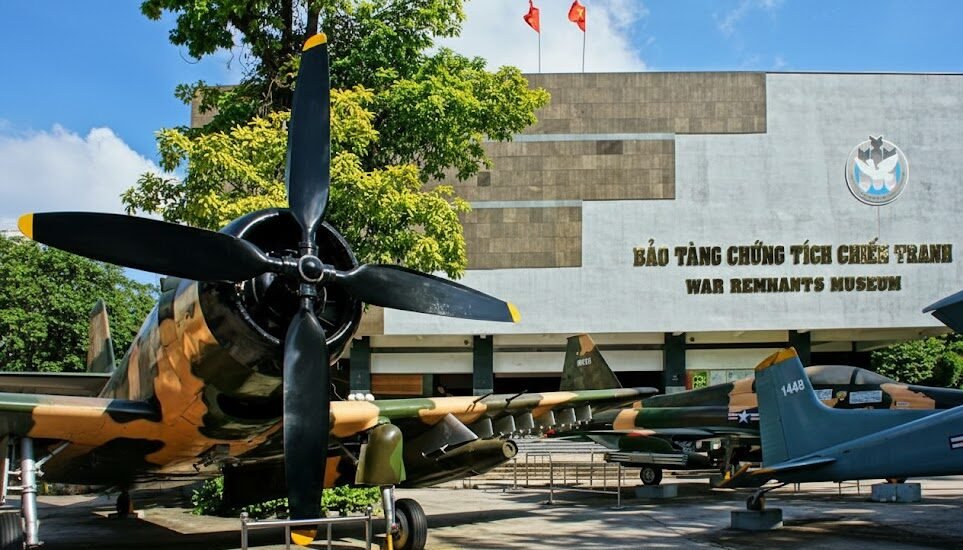
In the southern region, modern energy blends with powerful war history. Ho Chi Minh City features landmarks like the War Remnants Museum and the Independence Palace that reveal important historical events. Visitors also explore the underground network at Cu Chi Tunnels to understand the Vietnam War history.
Elsewhere in the south, colorful trading culture fills traditional marketplaces. Ben Thanh Market and Cai Rang Floating Market display fresh produce, local street food, and river trade. These lively spots present authentic Mekong Delta experiences and daily Vietnamese commerce.
Off the mainland, tropical islands provide calm and relaxation. Phu Quoc Island and Con Dao Islands attract travelers with white sand beaches and coral reefs. Crystal-clear waters and quiet resorts create perfect island getaways in southern Vietnam.
Riverside Traditions and Floating Culture
Along the winding waterways, life in the Mekong Delta moves with the rhythm of the river. Boats carry fresh fruits, vegetables, and handmade goods across busy floating markets. Visitors witness authentic river culture and traditional boat trading.
Colorful scenes appear early in the morning at Cai Rang Floating Market. Vendors display tropical produce and prepare local noodle soup directly on wooden boats. This lively market reflects daily commerce and the rural Vietnamese lifestyle.
Beyond the main channels, coconut farms and handicraft villages thrive in Ben Tre. Farmers produce coconut candy and woven products using natural materials. These countryside experiences highlight eco-tourism and sustainable travel in southern Vietnam.
Highland Escapes and Cool Climate Retreats
High above the coastal plains, mountain towns offer fresh air and scenic valleys. Da Lat attracts visitors with pine forests, flower gardens, and romantic lakes. The region supports coffee plantations and adventure activities like canyoning and hiking.
Nestled within rolling hills, Bao Loc remains quieter and less commercial. Tea farms stretch across green landscapes and create peaceful countryside views. Travelers enjoy slow travel experiences and discover hidden waterfalls in this highland retreat.
Surrounded by dramatic caves and jungle terrain, Phong Nha – Ke Bang National Park showcases limestone mountains and underground rivers. Adventurers explore vast cave systems and dense tropical forests. This national park strengthens Vietnam’s reputation for nature tourism and outdoor adventure.
Historic Landmarks and Urban Heritage
The capital city, Hanoi, preserves centuries of culture and tradition. Visitors explore the peaceful grounds of the Temple of Literature and learn about Vietnam’s ancient education system. The Old Quarter displays colonial architecture, street food stalls, and vibrant local markets.
At the heart of the city, Hoàn Kiếm Lake offers a calm escape from heavy traffic. Locals practice morning exercises while travelers enjoy lakeside walks and cultural landmarks. This iconic area represents urban heritage and daily Vietnamese life.
Further south, dynamic streets define Ho Chi Minh City as a modern economic hub. Historic attractions such as the War Remnants Museum present powerful war history exhibits. These urban sites combine historical tourism with contemporary city energy.
Markets, Local Life, and Cultural Experiences
Across traditional marketplaces, vendors create a lively shopping atmosphere filled with colors and aromas. Ben Thanh Market attracts visitors searching for souvenirs, street food, and handmade crafts. The market reflects Vietnamese culinary culture and everyday commerce.
Deep inside Chinatown, Binh Tay Market showcases wholesale trade and authentic local goods. Shoppers discover spices, textiles, and fresh seafood in this historic trading center. This destination supports cultural tourism and traditional business networks.
Throughout coastal and rural regions, smaller night markets and village bazaars support community life. Sellers promote regional specialties, local snacks, and handmade products. These cultural experiences allow travelers to understand authentic Vietnam beyond the tourist trails.
Pristine Beaches and Island Getaways
Stretching along the coastline, Vietnam offers clean beaches and tropical island escapes. My Khe Beach attracts visitors with soft sand, clear water, and water sports activities. Travelers enjoy surfing, swimming, and relaxing under palm trees.
Far from crowded resorts, Sao Beach provides calm, turquoise waters and peaceful surroundings. White sand shores create perfect conditions for sunbathing and quiet beach walks. This coastal paradise supports eco-friendly tourism and island relaxation.
Hidden near cultural towns, An Bang Beach offers a laid-back atmosphere and local seafood restaurants. Visitors watch beautiful sunsets while enjoying authentic Vietnamese dishes. These seaside destinations highlight Vietnam’s natural beauty and tropical charm.
War History and Underground Exploration
Deep beneath the ground, Cu Chi Tunnels reveal an extensive underground network used during the Vietnam War. Guides explain military strategy and survival techniques in these narrow tunnels. This historic site presents powerful lessons about resilience and conflict history.
Inside the city center, Independence Palace stands as a symbol of national reunification. Visitors explore preserved war rooms and historic meeting halls. The building highlights political history and significant wartime events.
Beyond monuments and tunnels, the War Remnants Museum displays photographs and artifacts from past conflicts. Exhibitions educate travelers about the impact of war on Vietnamese society. These historical landmarks deepen understanding of Vietnam’s modern identity.
Ancient Spiritual Sites and Cultural Identity
Throughout northern Vietnam, sacred spaces reflect deep spiritual traditions. Temple of Literature honors Confucian philosophy and showcases traditional Vietnamese architecture. Visitors admire stone steles, peaceful courtyards, and historic academic heritage.
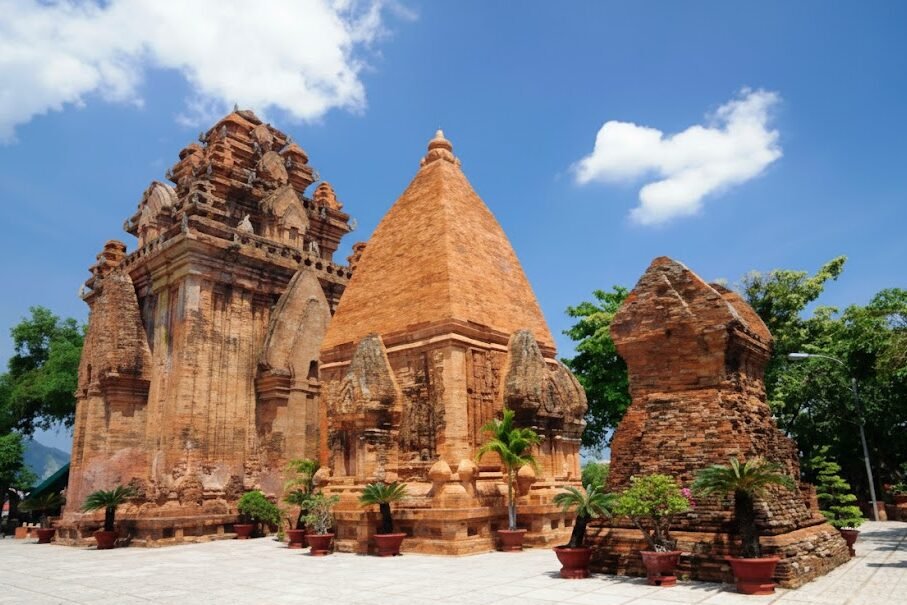
Centuries-old temple ruins stand quietly at My Son in central Vietnam. Ancient Cham towers display detailed carvings and red brick structures. This UNESCO heritage site highlights Hindu influence and early Southeast Asian civilization.
Near the historic capital, royal monuments in Hue preserve imperial culture and dynastic history. The citadel complex features gates, palaces, and ceremonial halls. These spiritual and cultural landmarks strengthen Vietnam’s national identity.
Scenic Waterways and Natural Landmarks
Across northern landscapes, calm waters surround the iconic Hoàn Kiếm Lake. Locals gather for morning exercise while tourists enjoy peaceful walking paths. This scenic lake offers urban relaxation and cultural symbolism.
Towering limestone cliffs rise dramatically around Ha Long Bay. Cruise boats navigate emerald waters and explore hidden caves. The bay represents one of Vietnam’s most breathtaking natural wonders.
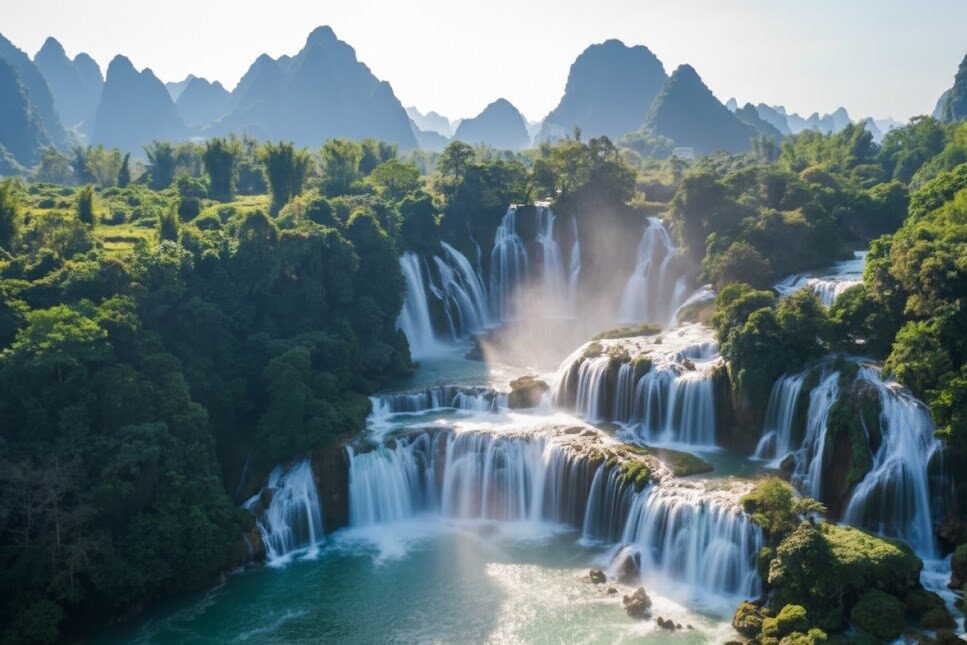
Far from city crowds, powerful cascades flow at Ban Gioc Waterfalls. Visitors capture stunning photos and enjoy fresh mountain air. These majestic waterfalls highlight Vietnam’s untouched landscapes and eco-tourism appeal.
![]() Coastal Cities and Modern Beach Culture
Coastal Cities and Modern Beach Culture
Overlooking the South China Sea, Da Nang blends urban development with scenic coastline views. The city promotes beach tourism, seafood dining, and modern entertainment hubs. Travelers enjoy clean streets, coastal resorts, and vibrant nightlife.
Further along the coast, Nha Trang attracts visitors with crystal-clear waters and island-hopping tours. Snorkeling trips explore coral reefs and marine biodiversity. This beach destination supports adventure travel and tropical relaxation.
Unlike crowded capitals, Mui Ne offers red dunes and strong coastal winds. Tourists experience kite surfing and sunrise desert views near the sea. The area highlights Vietnam’s diverse coastal landscapes and unique natural scenery.
Remote Islands and Quiet Archipelagos
Scattered across southern waters, the Con Dao Islands provide peaceful beaches and protected marine parks. The islands encourage sustainable tourism and wildlife conservation. Visitors relax in quiet surroundings far from mass tourism.
Beyond mainstream routes, Phu Quoc Island combines luxury resorts with traditional fishing villages. Clear waters support snorkeling, diving, and coral reef exploration. This island getaway balances comfort with authentic local culture.
Hidden within untouched nature, the smaller islets around Nha Trang remain less explored. Boat tours reach calm lagoons and private beaches. These remote island experiences complete the journey beyond Vietnam’s tourist trails.
Authentic Village Life and Rural Experiences
Across the countryside, traditional villages preserve Vietnam’s agricultural lifestyle and community spirit. Farmers grow rice in terraced fields near Sapa and maintain ancient farming methods. Visitors join homestay programs and learn about ethnic minority culture.
Beyond the tourist centers, quiet provinces like Ninh Binh offer limestone mountains and peaceful river valleys. Local families operate small guesthouses and provide home-cooked Vietnamese meals. These rural escapes promote community-based tourism and slow travel.
Within forested landscapes, Ba Be National Park supports eco-lodges and cultural exchange programs. Residents guide travelers through jungle trails and freshwater lakes. Such destinations highlight sustainable tourism and authentic village life.
Travel Tips for Exploring Beyond Tourist Trails
Before planning a journey, travelers should research Vietnam’s weather patterns and regional climate. Northern mountains experience cool winters, while southern regions stay warm year-round. Choosing the best time to visit improves trekking, beach travel, and sightseeing experiences.
While moving between cities, trains, sleeper buses, and domestic flights provide affordable transport options. Motorbike rentals allow flexible travel through scenic routes like Ha Giang. Smart route planning helps visitors reach hidden gems safely.
During cultural visits, respecting local customs and dress codes strengthens community relationships. Supporting local markets and family businesses boosts the regional economy. Responsible travel choices protect Vietnam’s natural landscapes and cultural heritage.
Adventure Tourism and Outdoor Activities
Across Vietnam’s mountains and rivers, adventure tourism attracts thrill-seekers. Trekking in Sapa leads to stunning rice terraces and ethnic villages. Kayaking, canyoning, and cycling trips provide active exploration for outdoor enthusiasts.
Within national parks, Phong Nha – Ke Bang National Park offers underground rivers, caves, and jungle trails. Guided tours showcase limestone formations and wildlife habitats. Adventure travelers experience Vietnam’s natural diversity while supporting eco-tourism initiatives.
Along coastal and island areas, snorkeling and scuba diving reveal vibrant marine life. Phu Quoc Island and the surrounding islets host coral reefs and tropical fish. Water sports enhance visitor engagement with Vietnam’s tropical landscapes.
Culinary Exploration and Local Flavors
Throughout rural and urban areas, Vietnamese cuisine highlights fresh ingredients and regional specialties. Street food markets in Hanoi offer pho, bun cha, and grilled snacks. Culinary tours allow travelers to taste authentic flavors while observing local cooking traditions.
Within southern towns, floating markets such as Cai Rang Floating Market feature tropical fruits and homemade delicacies. Vendors prepare meals directly on boats, giving tourists an immersive food experience. These culinary experiences connect travelers to Vietnam’s cultural identity.
Along the coast, seafood dominates dining culture. Beaches like My Khe Beach offer fresh fish, crab, and shrimp dishes. Coastal gastronomy showcases Vietnam’s natural abundance and traditional cooking methods.
Conclusion
Vietnam offers a unique blend of culture, history, and natural beauty. From remote mountains to pristine beaches, travelers experience authentic local life. Hidden villages, floating markets, and ancient temples reveal the country’s rich heritage. Exploring offbeat destinations creates memorable journeys while supporting sustainable tourism. If you want to read a travel guide about Greece, visit this link: https://explorezone.researchskillcenter.com/hidden-gems-of-greece/
FAQ
Q1: What are the best offbeat places to visit in Vietnam?
A1: Sapa, Ha Giang, Ba Be National Park, My Son, and Phong Nha – Ke Bang National Park.
Q2: When is the best time to explore Vietnam’s hidden destinations?
A2: October to April is ideal for cool weather in the north and dry conditions in the south.
Q3: How can travelers reach Vietnam’s remote villages?
A3: Motorbikes, local buses, and guided tours provide safe access to remote villages and scenic areas.
Q4: Are homestays recommended in Vietnam?
A4: Yes, homestays offer authentic cultural experiences and support local communities.
Q5: What activities can be done beyond the main tourist trails?
A5: Trekking, kayaking, cycling, cave exploration, and local food tours are popular offbeat activities.
Leave a Reply